
News
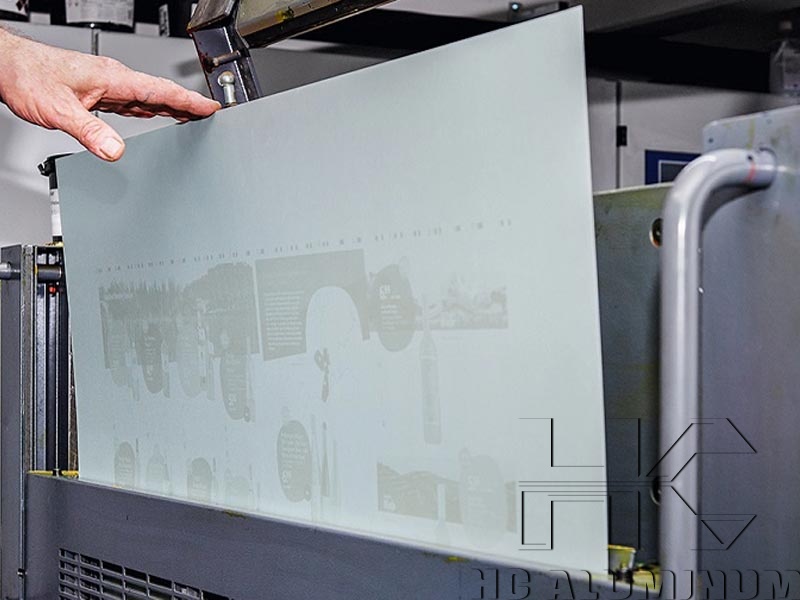
Waterless plates for printing occupy a special position in offset technology. They are not simply a variation of conventional plates; they represent a different printing logic. Instead of relying on the ink-water balance that defines traditional offset lithography, waterless printing uses a plate structure designed to separate image and non-image areas without fountain solution. For many printers, that single difference changes everything: dot reproduction, color consistency, start-up waste, maintenance behavior, and the overall predictability of the press.

From a technical and commercial perspective, waterless plates are especially valuable where print quality is closely examined. Labels, premium packaging, cosmetics cartons, pharmaceutical work, security-related applications, and high-end commercial printing often benefit from the sharper imaging and cleaner solids that waterless technology can deliver. In these markets, the plate is not just a consumable. It becomes part of the quality strategy.
What makes waterless plates different
A conventional offset plate depends on the contrast between hydrophilic non-image areas and oleophilic image areas. Fountain solution keeps the non-image areas ink-repellent, while ink adheres to the image. Waterless plates remove fountain solution from the equation. Instead, the non-image area is protected by a silicone layer with very low surface energy, which repels ink directly. The image area is created by imaging and processing the plate so that ink accepts only where required.
This structure delivers an immediate technical advantage: there is no need to continuously manage water and ink emulsification on press. Printers who have spent years stabilizing a difficult job know how much variability can come from dampening settings, alcohol substitutes, temperature shifts, roller conditions, and paper behavior. Waterless printing reduces that complexity.
For potential buyers evaluating Waterless Plates, the practical question is not whether the concept is elegant. It is whether the plate improves production performance in real conditions. In many cases, the answer is yes, particularly when the print buyer demands high resolution, lower dot gain, and consistent color throughout the run.
Core performance benefits in the pressroom
The first benefit most printers notice is image sharpness. Because there is no water interfering with ink transfer, waterless plates often produce finer detail and better edge definition. Small text, reverse lines, screens, and stochastic patterns can reproduce with impressive clarity.
The second benefit is color stability. Conventional offset can drift as the water-ink balance changes during the run. Waterless systems eliminate that balancing act, which helps maintain more stable density and more repeatable results. This matters when a brand owner expects carton number one and carton number fifty thousand to look essentially identical.
The third benefit is reduced startup waste. On many conventional jobs, operators need time and sheets to bring the press into balance. Waterless printing can shorten that stabilization period. While exact savings vary by press, substrate, and operator skill, many printers value the faster path to sellable output.
A fourth advantage is stronger performance on difficult substrates. Non-absorbent materials, synthetic stocks, films, and specialty papers can be challenging in conventional lithography because excess moisture complicates transfer and drying behavior. Waterless printing avoids those moisture-related side effects, which can support cleaner laydown and more controlled dot structure.
Where waterless plates create the most value
Not every print segment needs waterless technology. A long-run commodity job printed under loose visual tolerances may not fully capture its advantages. Waterless plates create the highest value where quality variation is expensive.
A good example is premium cosmetics packaging. Brand colors must remain clean and luxurious, skin-tone imagery must look smooth, and fine typography must remain readable even on coated board. Waterless plates can help hold delicate highlights while keeping solids rich and uniform.
Another example is pharmaceutical carton printing. In this field, small text, barcodes, batch information, and registration precision are critical. A plate that supports cleaner reproduction and lower variability can reduce risk in a highly controlled supply chain.
High-end label printers also appreciate the ability of waterless technology to hold fine vignettes and intricate decorative elements. Metallic effects, deep black text, and micro-details benefit from stable ink transfer without dampening interference.
Technical considerations buyers should understand
Waterless plates offer clear advantages, but they are not a universal shortcut. Successful implementation depends on process discipline. Temperature control is particularly important because the silicone-based non-image areas respond to heat. Presses used for waterless printing typically require effective temperature management of the inking system. If ink temperature rises too far, toning risk can increase.
Ink selection also matters. Waterless inks are formulated differently from conventional offset inks to work with the plate's silicone surface and the no-water printing environment. Using the correct ink system is essential for achieving expected performance.
Plate handling should be equally disciplined. Like any high-performance offset plate, waterless plates should be stored under controlled conditions and handled carefully to prevent surface damage. Imaging parameters, exposure consistency, and compatibility with the workflow must all be confirmed before full-scale production.
This is one reason some printers compare waterless technology with modern low-chemistry alternatives such as Chemistry Free Plates. The comparison is useful, but the applications are not identical. Chemistry-free and processless technologies mainly target workflow simplification and environmental efficiency, while waterless plates are often selected first for print performance, especially in demanding visual applications.
A practical example from production thinking
Imagine a packaging printer producing a short-to-medium run of luxury tea cartons with dense solids, fine gold decorative elements, and soft gradient background tones. On a conventional offset setup, the operator may spend significant time adjusting dampening and ink feed to avoid scumming in non-image areas while still maintaining full color strength. During the run, subtle water shifts can change the appearance of the gradients.
With waterless plates, the same printer can focus more directly on ink behavior and temperature control. The gradients often remain cleaner, fine text is better defined, and startup sheets may be reduced. If the selling price of the job depends on visual elegance rather than just volume, those technical gains translate into commercial value.
Environmental and operational perspective
Waterless printing is often associated with sustainability discussions because it eliminates fountain solution and reduces the need for alcohol or alcohol substitutes in dampening systems. That can support a cleaner pressroom environment and simplify certain aspects of press maintenance. At the same time, buyers should evaluate total operating conditions honestly. The full environmental profile depends on plate technology, ink formulation, press energy use, and production efficiency.
For a professional buyer, the right question is broader: does this plate help produce more acceptable sheets, more consistently, with less troubleshooting? When the answer is yes, the technology becomes attractive not only from a quality standpoint but also from a cost-of-production standpoint.
Choosing the right waterless plate supplier
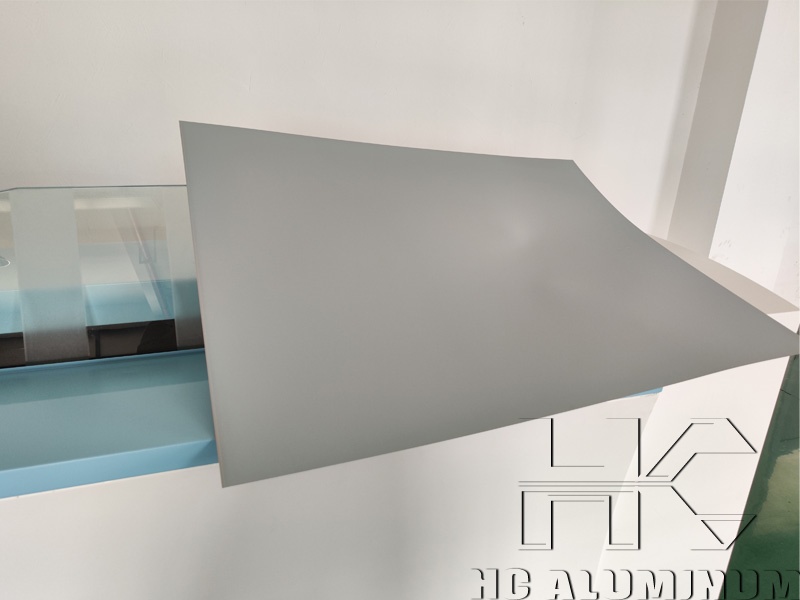
A reliable waterless plate supplier should offer more than plate availability. Technical support, plate consistency, imaging guidance, storage recommendations, and application knowledge are all important. Buyers should ask about compatible plate setters, recommended inks, run length expectations, substrate suitability, and press configuration requirements.
It is also wise to request trial support. Waterless printing rewards proper setup, and a well-managed evaluation tells far more than a catalog specification. A supplier that understands the practical realities of offset production can help printers judge whether waterless plates will improve their specific product mix.
For printers serving markets where detail, stability, and premium appearance matter, waterless plates for printing remain one of the most technically interesting and commercially persuasive options in offset. They reduce dependence on a delicate ink-water equilibrium and replace it with a more controlled imaging surface. When matched with the right press conditions and customer expectations, they can deliver the kind of print quality that clients notice immediately and remember long after the job leaves the press.
PRODUCTS
ONLINE CONSULTATION
If you have any questions, please contact us and we will contact you as soon as possible.


Leave A Message
If you are interested in our products and want to know more details, please leave a message here, we will reply you as soon as we can.