
News
For many commercial printers, packaging converters, and publishing houses, the photosensitive positive offset plate remains one of the most dependable choices in conventional offset prepress. It is a mature technology, but that should not be mistaken for being outdated. In real production environments, where press stability, image fidelity, and cost control matter every day, a well-made positive plate still offers a practical and highly efficient solution.
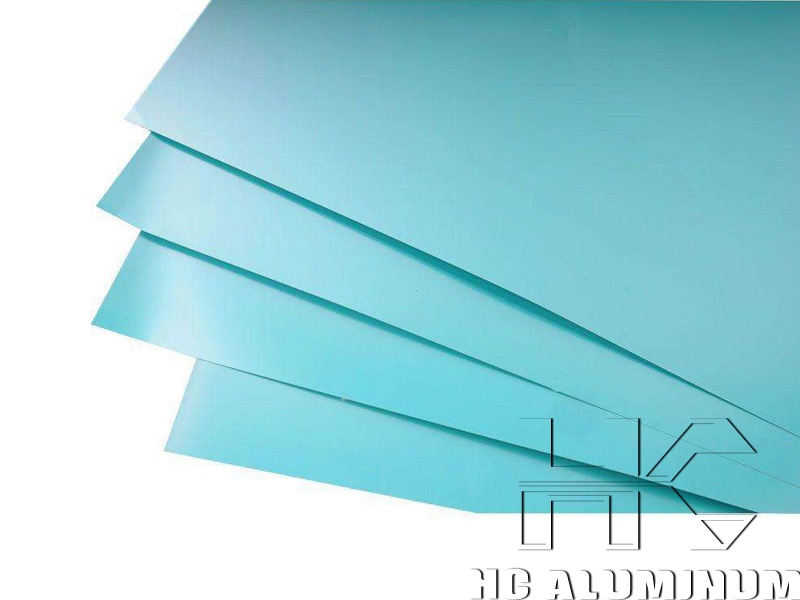
A photosensitive positive offset plate is typically built on a high-quality aluminum base that has been grained and anodized to create a stable hydrophilic surface. On top of that base, a positive-working light-sensitive coating is applied. During exposure, the image areas that receive light become more soluble in developer, while the non-image areas remain protected. After development, the plate clearly separates image and non-image zones, allowing ink-water balance to be established quickly on press.
This working principle sounds simple, yet the plate's actual performance depends on very precise engineering. Grain structure, anodic layer quality, coating uniformity, spectral sensitivity, and development latitude all influence press behavior. A high-grade plate should deliver sharp dot reproduction, clean background, stable run length, and good tolerance in everyday processing conditions.
Why Positive Photosensitive Plates Still Matter
In conversations with print buyers and plant managers, one point comes up repeatedly: reliability is more valuable than novelty. Positive photosensitive plates continue to be widely used because they are easy to process, technically transparent, and economically sensible for a broad range of jobs.
For example, a book printer running long monochrome and two-color jobs may prioritize plate consistency and clean highlight retention over adopting a more expensive workflow. A label or leaflet printer may need fast turnaround with dependable imaging quality on conventional exposure systems. In both cases, the photosensitive positive offset plate performs well because the technology is proven, controllable, and compatible with standard plate-making lines.
It is also an excellent option for printers that want a balance between image precision and operating cost. Compared with unstable low-end plates, a premium positive plate reduces hidden losses: remakes, scumming, short run failures, poor dot transfer, and excessive developer consumption. Those savings are often more important than the nominal purchase price per sheet.
Core Technical Characteristics Clients Should Evaluate
When selecting a plate, buyers should look beyond the label and focus on the technical parameters that directly influence production.
1. Aluminum Substrate Quality
The aluminum base is the skeleton of the plate. A good substrate provides dimensional stability, flatness, and strong adhesion between the coating and the support. Multigrain treatment and uniform anodizing improve water retention in non-image areas and enhance abrasion resistance during long press runs.
2. Coating Sensitivity and Resolution
A positive plate must respond predictably during exposure. Good sensitivity helps reduce exposure time while maintaining image sharpness. Resolution matters when reproducing fine text, line work, and small highlight dots. In practice, this means cleaner 1% to 99% tonal transitions and more stable screening performance.
3. Development Latitude
A plate should not become unreliable because of minor fluctuations in processor temperature, replenishment, or dwell time. Wide processing latitude gives operators more control and lowers the risk of partial development, weak image areas, or background contamination.
4. Ink-Water Balance on Press
One of the clearest signs of a quality photosensitive positive offset plate is how quickly it reaches a stable ink-water balance. Plates with strong hydrophilicity in non-image areas tend to start up faster, reduce waste sheets, and minimize scumming.
5. Run Length and Mechanical Durability
Run length requirements vary by application. A brochure printer may only need moderate durability, while a newspaper insert or textbook job may require longer runs. A strong anodized layer and robust coating improve resistance to abrasion and chemical attack.
Typical Applications
The photosensitive positive offset plate is used across many print segments:
Commercial printing for brochures, catalogs, manuals, and posters
Publishing for books, magazines, and educational materials
Packaging inserts and paper-based promotional materials
Forms, office stationery, and general document printing
For clients comparing conventional solutions, a high-performance Positive PS Plate is often the most straightforward choice when the workflow uses film or traditional exposure systems and values stable quality at scale.
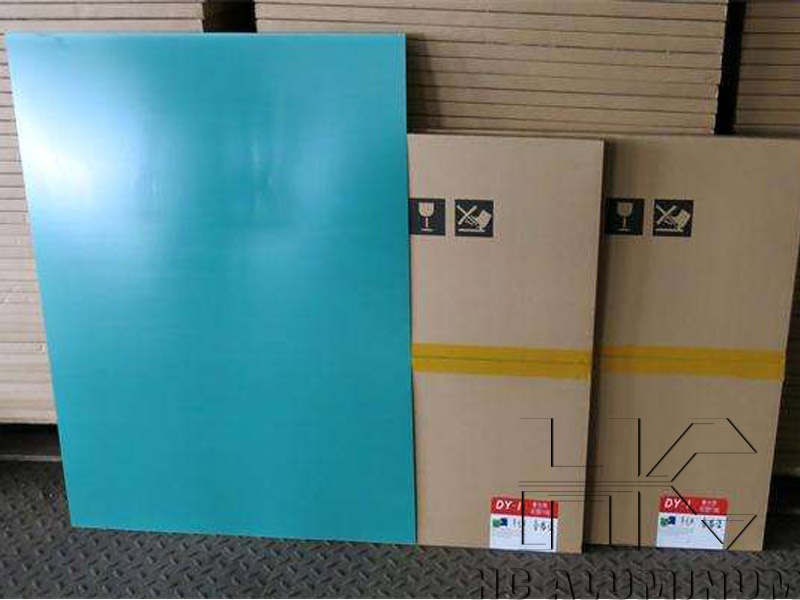
What Good Plate Performance Looks Like in Production
Let me put it in practical terms. A strong plate is not only one that images well in the prepress room. It should also behave well in the real pressroom, where speed, chemistry, operator habits, and ambient conditions are never perfectly constant.
A good example is a medium-sized commercial printer producing 20,000 sheets of advertising leaflets. If the plate has uniform coating and good hydrophilic background performance, the press crew can reach color faster, reduce startup waste, and maintain cleaner non-image areas across the run. If the same printer uses an inconsistent plate, they may see toning in the background, unstable fine dots, or premature wear on later impressions. The difference is measurable not just in print quality, but in labor efficiency and paper waste.
Another example involves fine text and reverse lines in pharmaceutical inserts or instruction sheets. Here, plate resolution becomes critical. A technically sound photosensitive plate preserves edge definition and avoids filling in micro-elements that make printed information harder to read.
Processing Recommendations for Better Results
Even the best plate needs disciplined handling. Based on real production experience, these points make a noticeable difference:
Store plates in a cool, dry environment away from direct sunlight.
Allow plates to acclimatize before opening sealed packaging in humid conditions.
Maintain proper exposure calibration and verify vacuum contact if film is used.
Control developer concentration, temperature, and replenishment carefully.
Use clean gumming and proper post-processing to protect the plate surface before press.
Avoid mechanical scratching during transport, loading, and bending.
These are basic practices, but they directly affect imaging integrity and on-press life. Many plate complaints originate not from the product itself, but from inconsistent storage or processor maintenance.
How to Evaluate a Supplier, Not Just a Plate
A plate is a process product, so supplier capability matters. Serious buyers should ask about aluminum source consistency, coating line control, batch traceability, and QC methods for grain, anodizing, and sensitivity. Technical support is also important. A supplier should be able to discuss exposure energy, developer compatibility, storage conditions, and application matching in concrete terms.
If your operation is evaluating conventional offset consumables more broadly, comparing a standard PS Plate specification alongside your run length, resolution, and press conditions is often the most efficient way to identify the right grade.
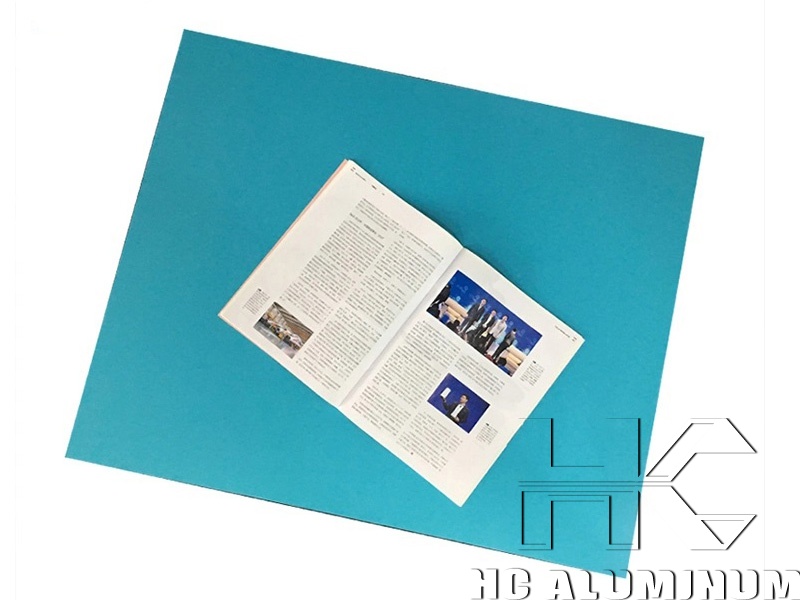
A professional manufacturer should also understand that different clients need different balances of sensitivity, durability, and cost. There is no single plate that is ideal for every job. The right recommendation depends on whether the client is printing textbooks, promotional materials, fine commercial work, or medium-run packaging inserts.
A Practical Choice for Consistent Offset Printing
The photosensitive positive offset plate remains relevant because it solves real production problems with clarity and efficiency. It offers precise image transfer, dependable processing behavior, stable press performance, and broad application flexibility. For printers who value consistency, technical transparency, and cost-effective output, it is still one of the smartest conventional prepress options available.
When evaluating plates, it is worth looking past surface-level claims and focusing on what affects production every day: substrate quality, coating stability, processing latitude, startup behavior, and print endurance. That is where genuine value is created, and that is where a professionally engineered positive plate proves its worth.
PRODUCTS
ONLINE CONSULTATION
If you have any questions, please contact us and we will contact you as soon as possible.


Leave A Message
If you are interested in our products and want to know more details, please leave a message here, we will reply you as soon as we can.