
News
The shift toward the chem free offset printing plate is not just a response to environmental pressure. For many printers, it is a practical production decision driven by speed, consistency, labor efficiency, and tighter control over total operating cost. In a modern offset pressroom, every eliminated step matters. When plate processing chemistry, replenishment control, processor maintenance, and wastewater handling are removed from the workflow, production becomes simpler and easier to standardize.
A chem free offset printing plate, often referred to as a chemistry free plate or processless plate depending on the technology route, is designed to go from imaging directly to press without conventional developer processing. The non-image coating is removed or stabilized on press, rather than in a separate processing unit. That sounds straightforward, but the production impact is significant: less equipment, fewer variables, and a leaner prepress operation.
What Makes a Chem Free Offset Printing Plate Different
Traditional thermal CTP plates usually require a processor, developer, gum, water, and periodic calibration. Plate performance depends not only on imaging quality, but also on processor condition, developer activity, temperature stability, dwell time, and cleaning discipline. A chem free offset printing plate removes most of those dependencies.
In practical terms, this means the plate room becomes less vulnerable to common production disruptions such as:
Developer exhaustion causing weak image reproduction
Roller contamination inside the processor
Conductivity drift or poor replenishment control
Variations in dot reproduction from one batch to the next
Unexpected downtime due to processor cleaning or repair
For printers running short to medium jobs, quick turnaround work, packaging samples, commercial sheets, books, manuals, or insert printing, the ability to image a plate and send it straight to press can noticeably improve workflow responsiveness.
Why Many Printers Are Moving Away from Conventional Plate Processing
The strongest argument for chem free technology is not marketing language about sustainability. It is operational discipline. Chemical processing always introduces an extra process window, and every extra process window creates another source of variation.
A printer using a conventional processed plate may achieve excellent results, but only if the processor is maintained consistently. In reality, many print shops face mixed workloads, changing room temperatures, variable staffing, and pressure to shorten makeready time. Under those conditions, a chem free offset printing plate can offer more stable day-to-day performance because the imaging-to-press path is shorter and easier to control.
There is also a financial logic behind the switch. The plate itself is only one part of plate cost. A realistic cost comparison should include:
Developer and gum consumption
Processor electricity use
Water usage
Maintenance labor
Spare parts and service calls
Waste treatment and compliance handling
Floor space occupied by processing equipment
Production losses caused by processor-related delays
When these hidden costs are added up, chem free systems often become more competitive than they first appear.
How Chem Free Plates Perform on Press
A high-quality chem free offset printing plate must do more than eliminate chemistry. It must also deliver clean background, strong ink-water balance, fast roll-up, dependable run length, and stable dot holding under actual press conditions.
The most mature products in this category use thermal imaging technology with specially engineered coating layers. After exposure on the CTP device, the plate is mounted directly on press. During startup, the coating in non-image areas is removed by fountain solution and ink action, while image areas remain durable and receptive to ink.
A well-designed plate should provide:
Good imaging sensitivity for mainstream thermal CTP systems
Strong resistance to handling scratches
Clean and fast startup on press
Low toning tendency in non-image areas
Reliable reproduction of fine text and screening
Sufficient run length for commercial applications
Compatibility with standard fountain solutions and inks
For example, a commercial printer producing 5,000 to 20,000 sheet jobs may find that a chem free plate reduces prepress bottlenecks while still maintaining sharp solids, readable small type, and consistent color behavior across repeat jobs. A book printer handling many title changes per shift may value the faster plate handoff even more than the chemistry savings.

Chem Free, Processless, and Wash Free: Understanding the Terms
Buyers often see several terms used interchangeably, but the distinctions are worth understanding.
Chem free offset printing plate is the broad practical term used by many printers to describe plates that do not require conventional developer chemistry.
Processless generally refers to plates that go directly from imaging to press without off-line processing. If you are comparing product structures, our Processless Plates category is closely related to this technology path.
Chemistry free usually emphasizes the absence of developer chemistry in the workflow. In product selection, printers often compare plate sensitivity, run length, image contrast, safe-light tolerance, and on-press cleanout behavior. For clients looking at application-specific options, Chemistry Free Plates are often evaluated against conventional thermal plates based on total pressroom efficiency rather than plate price alone.
Wash free may be used in some markets to describe similar no-processor or near-no-processor technologies, although exact definitions can vary by manufacturer.
From a purchasing perspective, the important issue is not terminology. It is whether the plate matches your CTP engine, your press conditions, your job structure, and your expected run length.
Typical Applications and a Realistic Example
Chem free offset printing plates are particularly suitable for:
Commercial sheetfed printing
Short and medium run publications
Educational materials and manuals
Quick-turn marketing collateral
Book and monochrome text work
General packaging proofing or sample runs
Consider a mid-sized printer producing catalogs, manuals, and promotional sheets on a thermal CTP line. With conventional processing, each plate requires imaging, processor entry, chemistry monitoring, output inspection, and regular processor downtime for cleaning. If the company shifts to chem free plates, the workflow becomes imaging, punching, and mounting. Over a month, this can reduce operator touchpoints, minimize chemistry inventory, and lower the risk of remakes caused by processor instability.
The result is not merely a greener process. It is a more predictable one.
What Buyers Should Ask Before Choosing a Supplier
Not all chem free plates perform equally. Serious buyers should ask technical questions before qualifying a product:
What thermal wavelength and energy range does the plate require?
What run length can be expected under standard commercial conditions?
How stable is the plate in storage and transport?
Does it offer strong resistance to scratches and static?
How quickly do non-image areas clean up on press?
Is it suitable for FM screening or fine AM screening?
What fountain solution range is recommended?
How consistent is batch-to-batch coating quality?
These questions matter because a chem free offset printing plate is part of a complete production system, not a standalone item. Reliable aluminum base quality, coating uniformity, graining and anodizing control, and manufacturing consistency all directly affect print behavior.
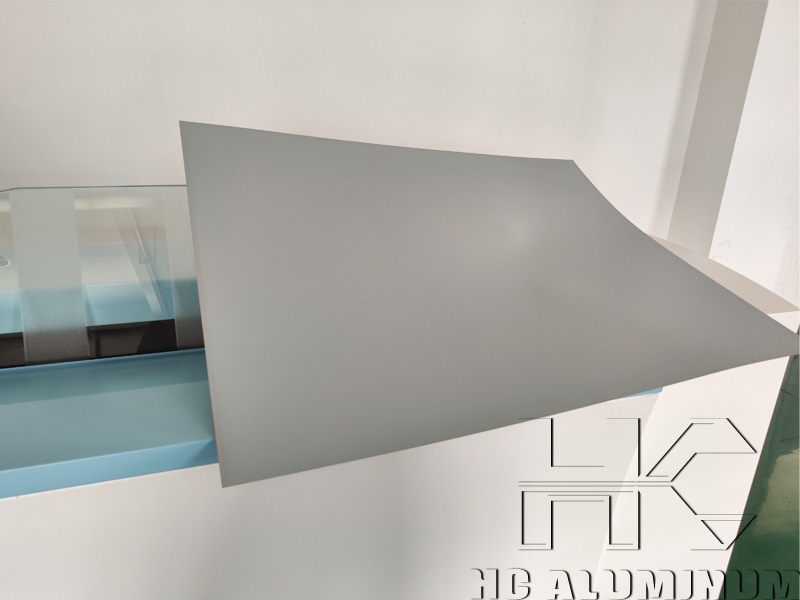
The Strategic Value for Modern Printing Companies
There is a broader reason why chem free technology continues to gain traction. Print buyers increasingly demand shorter lead times, smaller order quantities, and more frequent version changes. Pressrooms must react quickly without expanding complexity. A chem free offset printing plate supports that shift by simplifying prepress and reducing dependence on chemistry management.
For printing companies building a more efficient and resilient production model, this plate category offers a balanced mix of environmental benefit and manufacturing practicality. It helps reduce consumables, streamline operator routines, free up floor space, and improve consistency from imaging to press.
At HC Aluminum, we see chem free plate selection as a technical matching exercise rather than a generic specification. The right solution depends on your equipment configuration, job profile, print volume, and quality target. When the plate is properly matched to the production environment, the gains are tangible: fewer variables, faster turnaround, cleaner operation, and a pressroom that spends more time printing and less time managing chemistry.
PRODUCTS
ONLINE CONSULTATION
If you have any questions, please contact us and we will contact you as soon as possible.


Leave A Message
If you are interested in our products and want to know more details, please leave a message here, we will reply you as soon as we can.