
News
For many printers, plate performance is judged by a few hard realities: how quickly the job reaches color, how stable the image remains through the run, how much operator intervention is required, and how much waste is created before sellable sheets appear. That is exactly where wash free printing plates have changed the conversation.
Wash free printing plates, often grouped with processless technologies, are designed to go from plate setter to press without conventional developing and washout steps. Instead of passing through a processor filled with developer chemistry, the exposed plate is mounted directly on press, where the non-image layer is removed or conditioned during the initial printing phase. This shortens the workflow, reduces chemical handling, lowers water and energy consumption, and simplifies plate room management.
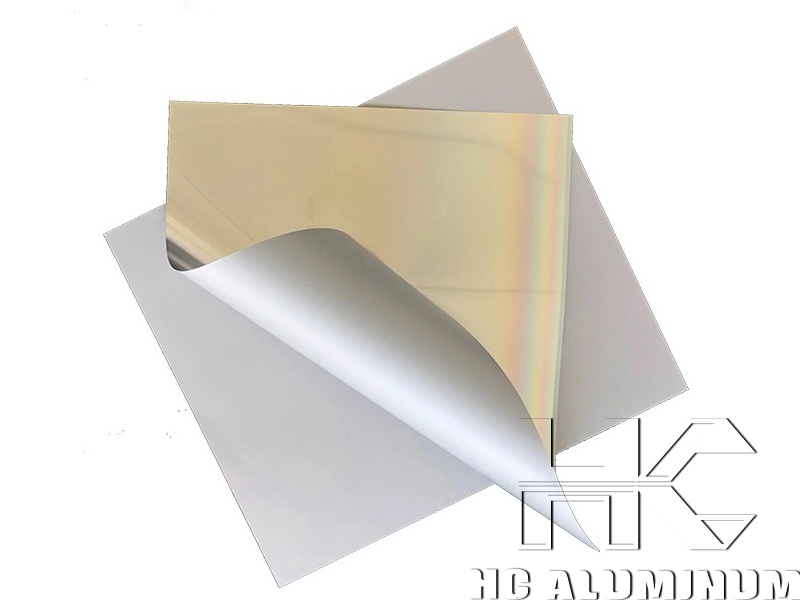
From a technical and commercial standpoint, that is not a small shift. It affects labor, maintenance, environmental compliance, floor layout, and job turnaround. In my view, the real value of wash free printing plates is not only that they remove a processing step, but that they make production more predictable. Fewer variables in prepress often translate into fewer surprises on press.
What Wash Free Printing Plates Actually Are
A wash free printing plate is an offset plate engineered with a coating system that does not require traditional chemical development after imaging. In a thermal CTP workflow, the laser exposes the coating in the image areas. Once the plate reaches the press, the fountain solution and ink work together to clean out or stabilize the non-image areas during the first revolutions.
That sounds simple, but the coating design is highly specialized. The plate must satisfy several requirements at once:
High imaging sensitivity for reliable exposure
Strong differentiation between image and non-image areas
Fast roll-up on press
Low background toning risk
Adequate run length for the intended application
Good scratch resistance during handling
Stable performance across different press conditions
In practice, this means modern wash free plates are best suited to commercial sheetfed printing, short-to-medium runs, quick-change production, and print environments that value lean workflows. Many printers comparing conventional processed thermal plates with Wash Free CTP Plates find that the key advantage is not just chemistry reduction, but faster operational rhythm.
Why Printers Are Moving Toward Wash Free Plates
The most immediate benefit is process simplification. A conventional plate line may require processor setup, developer replenishment, gum management, filtration, cleaning routines, and periodic troubleshooting. Every one of those steps adds cost and creates variation.
With wash free printing plates, the plate room becomes cleaner and easier to control. There is no developer balance drifting over time, no processor rollers contaminating results, and no developer temperature issue altering plate contrast. That stability matters, especially in plants running multiple short jobs per shift.
A practical example helps illustrate the point. Imagine a commercial printer producing 20 to 30 short-run jobs per day for brochures, inserts, and promotional sheets. On a conventional workflow, each plate batch depends on processor condition. If chemistry ages or maintenance is delayed, image consistency can suffer. With wash free plates, imaging and press setup become more direct. The operator can move from file approval to plate output to press mounting with fewer checkpoints and fewer failure points.
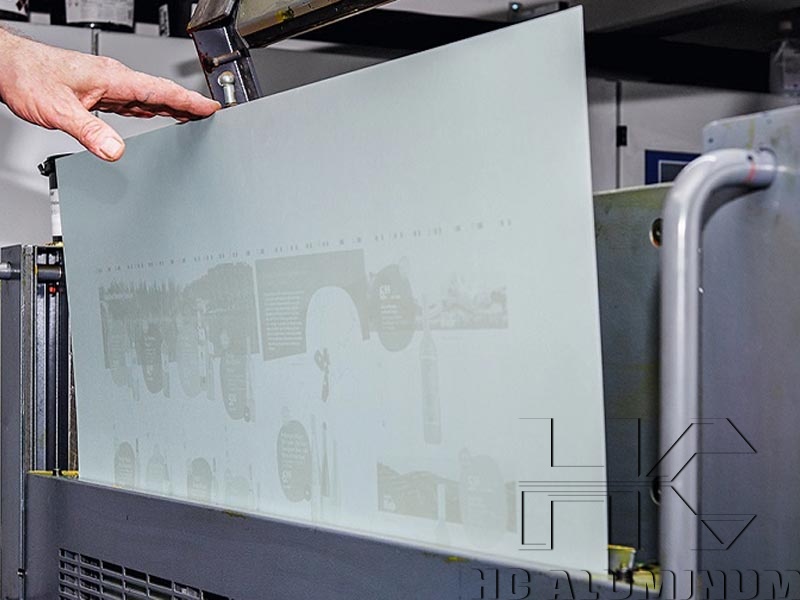
Another reason for adoption is sustainability. The market now expects printers to reduce chemical waste, water use, and energy demand wherever possible. Wash free technology supports that objective in measurable ways:
No conventional plate developer disposal
Reduced water consumption in plate processing
Lower power usage because processors may be eliminated
Fewer consumables such as filters and cleaning agents
Less maintenance-related downtime
For buyers evaluating suppliers, these are not abstract advantages. They affect total operating cost and help strengthen environmental reporting.
Performance Considerations That Serious Buyers Should Evaluate
Not all wash free printing plates perform identically, and technical evaluation should go beyond promotional claims. Potential clients should ask suppliers specific questions about:
1. Imaging compatibility
Most wash free plates are designed for thermal CTP systems, but sensitivity and exposure latitude can vary. A plate that images well on one engine may require calibration on another.
2. Start-up waste
Good wash free plates should roll up quickly and cleanly. If a plate requires too many sheets to stabilize, the savings from processing removal can be weakened by higher paper waste.
3. Run length
Run length depends on press condition, substrate, ink system, and image coverage. For many commercial applications, wash free plates perform very well, but long-run packaging or abrasive stock may require a different plate category.
4. Ink-water balance
A well-designed wash free plate should establish a stable balance quickly. If the coating is overly sensitive to fountain settings, background scumming or delayed clean-out may occur.
5. Handling tolerance
Because there is no post-processing to normalize the plate surface, storage, transportation, and pressroom handling become especially important. Plate coating integrity must be maintained from shipment to mounting.
This is why many printers also compare wash free solutions with Processless Printing Plates when selecting the best fit for their workflow.
Where Wash Free Printing Plates Deliver the Best Value
The strongest use cases usually include:
Commercial sheetfed offset printing
Quick-turn promotional work
Book and manual printing with frequent plate changes
In-plant printing departments focused on efficiency
Plants seeking to reduce processor maintenance and chemistry storage
A useful example would be a regional print house producing catalogs in medium runs and retail point-of-sale materials in short runs. In that environment, speed between jobs matters almost as much as run durability. Wash free plates can help the team reduce plate room complexity while maintaining image sharpness, dot fidelity, and practical press stability.
Technical Strengths Buyers Often Overlook
One detail that experienced printers appreciate is consistency over time. Conventional processing introduces variables related to replenishment rate, oxidation, contamination, and processor cleanliness. Wash free printing plates remove those variables almost entirely. That can improve repeatability between shifts, between operators, and even between production sites.
Another often overlooked strength is space efficiency. Eliminating or reducing processor dependence can free up valuable floor area. For growing operations, that space may be better used for automation, plate staging, or quality inspection.
There is also a training advantage. A simplified plate workflow reduces the number of process control points that operators must master. This does not make technical expertise less important, but it does make daily operation easier to standardize.
What Potential Clients Should Ask a Supplier
When sourcing wash free printing plates, clients should look for more than a competitive price. They should ask:
What run length range is realistic in actual production conditions?
How many start-up sheets are typically required for clean roll-up?
Which thermal CTP engines and exposure settings are recommended?
How does the plate perform with UV inks, conventional inks, or alcohol-free dampening?
What packaging protects the coating during transport and storage?
Is there technical support for calibration and press-side optimization?
A reliable supplier should answer these questions clearly, with data grounded in production reality rather than broad generalizations.
Wash free printing plates are not just a trend driven by environmental language. They represent a disciplined step toward smarter offset manufacturing: fewer chemicals, fewer moving parts, tighter control, and faster response. For printers trying to improve productivity without compromising print quality, they offer a highly practical route forward. The best results come when the plate is matched carefully to the press, the workload, and the operator's expectations. When that match is right, wash free technology becomes more than a cleaner workflow. It becomes a competitive advantage.
PRODUCTS
ONLINE CONSULTATION
If you have any questions, please contact us and we will contact you as soon as possible.


Leave A Message
If you are interested in our products and want to know more details, please leave a message here, we will reply you as soon as we can.