
News
Offset printing has always balanced three priorities that do not naturally cooperate: print quality, production efficiency, and environmental responsibility. Traditional prepress workflows solved imaging and durability challenges by adding a separate processing stage with developer, replenisher, water, maintenance, and waste handling. Process less offset plates changed that equation. They remove the conventional processing step and allow printers to move from imaging to press with a much simpler workflow.
For buyers, production managers, and press operators, this is not just a matter of convenience. It affects labor, consistency, startup waste, floor space, chemical management, and the reliability of daily output. In my view, the real value of process less technology is not that it is fashionable or "green" in a generic sense. Its real value is that it eliminates weak points in plate production that often create hidden cost and variability.
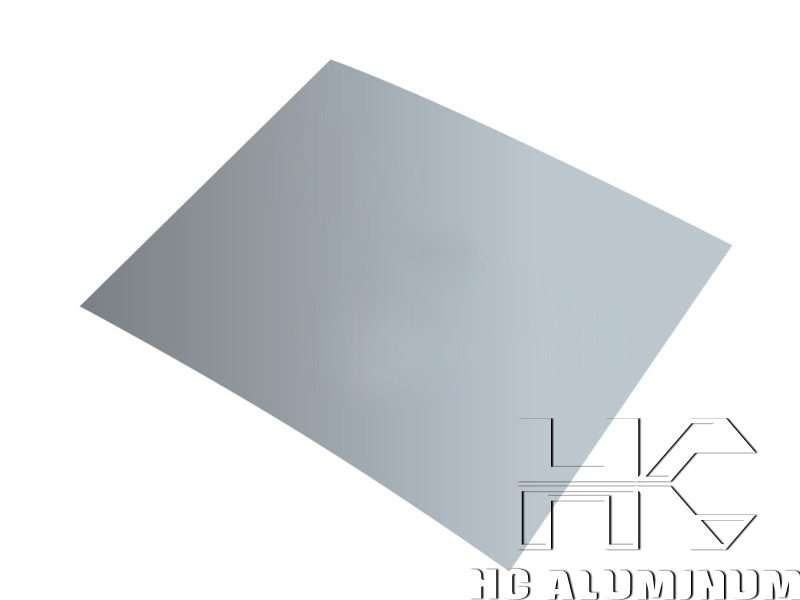
What are process less offset plates?
Process less offset plates are CTP plates designed to be imaged directly on a platesetter and then mounted on press without conventional wet chemical processing. The non-image layer, or its removable components, is cleared during startup on press rather than in a processor. Depending on the plate design, this may happen through fountain solution, ink action, or a controlled press run-in sequence.
That distinction is important. A process less plate is not merely a standard thermal plate used with less chemistry. It is an engineered plate system with a coating structure optimized for direct-to-press performance. The coating must meet several technical demands at the same time:
High imaging sensitivity for stable laser exposure
Clean differentiation between image and non-image areas
Fast roll-up on press
Low toning during startup
Strong resistance to scratches and handling damage
Sufficient run length for commercial printing requirements
Well-designed Processless Plates deliver these results while reducing dependence on processor calibration, chemistry control, and operator intervention.
Why printers are moving away from processed plates
In many pressrooms, the processor is one of the least appreciated but most troublesome pieces of equipment. It requires temperature control, conductivity checks, gum management, bath replacement, roller cleaning, and routine troubleshooting. Even when maintained correctly, it introduces variables that can affect plate contrast, ink-water balance, and repeatability.
Process less offset plates remove that stage entirely. The benefits are practical and measurable:
1. Lower operating complexity
Without a processor, there is no developer to mix, no replenisher to monitor, and no chemistry disposal procedure to manage. For printers operating with lean staffing, this is a major operational advantage.
2. Faster job changeover
A plate can be imaged, punched, bent if needed, and sent directly to the press. This shortens prepress lead time and supports urgent or short-run work more effectively.
3. More stable plate-to-plate consistency
When processing variables are removed, one major source of inconsistency disappears. Assuming the platesetter and handling conditions are stable, process less plates often provide very repeatable imaging behavior.
4. Reduced environmental burden
No developer and less wastewater mean a cleaner production environment. This is especially relevant for printers serving publishing groups, packaging buyers, and institutional customers with sustainability requirements.
How process less plates perform on press
The first question serious buyers usually ask is straightforward: if there is no processor, does print quality suffer? The answer depends on plate design, press condition, fountain chemistry, and operator discipline. High-quality process less plates are capable of excellent reproduction, including fine dots, smooth highlights, and stable solids, provided the full print workflow is matched correctly.
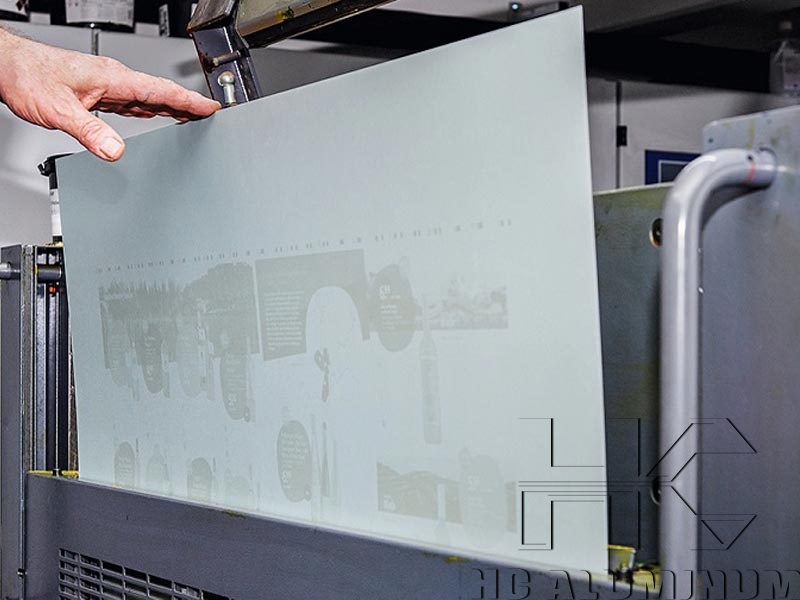
A typical startup sequence works like this:
The plate is imaged on a thermal CTP system.
It is loaded directly onto the press.
During the initial revolutions, the removable non-image coating clears from background areas.
Ink-water balance stabilizes.
The job enters normal production.
This means startup sheets may be slightly more important than with some processed plates, especially if the press is not optimized. In a well-controlled environment, however, the waste difference is often modest and can be offset by savings in chemistry, labor, and maintenance.
For example, a commercial printer producing short-run catalogs may change jobs many times per shift. If each job avoids processor warm-up issues, chemistry checks, and processor maintenance delays, the cumulative gain over a month can be significant. Another example is a book printer with overnight production. Removing the processing stage reduces both operator workload and the chance of chemistry-related plate variation between shifts.
Key technical factors buyers should evaluate
Not all process less offset plates are equal. Buyers should look beyond general marketing claims and verify several core performance indicators.
Imaging compatibility
Most process less plates are designed for thermal CTP systems, commonly 830 nm. The plate should match the platesetter brand, laser energy range, and workflow conditions used in the plant.
Run length
Run length depends on substrate, ink, press setup, and whether UV inks are used. A plate rated for standard commercial printing may perform very differently in aggressive UV or high-abrasion applications. Buyers should request realistic run-length guidance, not ideal laboratory numbers.
Resolution and dot reproduction
A reliable process less plate should reproduce fine screens and maintain highlight dots with control. This matters for art books, premium brochures, cosmetic cartons, and any work where tonal smoothness affects perceived quality.
On-press cleanout behavior
Fast and clean roll-up is one of the most critical characteristics. A plate that images well but cleans slowly can increase startup waste and frustrate operators.
Handling robustness
Since the plate goes straight from imaging to press, coating durability is essential. Scratch resistance, safe-light tolerance where applicable, and transport stability all deserve attention.
Printers comparing Processless Printing Plates from different suppliers should test them under actual press conditions rather than relying only on catalog specifications.
Where process less offset plates fit best
Process less plates are especially attractive in the following situations:
Commercial sheetfed printing
Short- to medium-run production
Plants seeking to eliminate chemistry handling
Operations with limited prepress space
Companies pursuing cleaner production certifications
Printers looking to simplify training and reduce maintenance points
They are also increasingly relevant for companies modernizing from older PS or CTCP workflows into streamlined thermal CTP production. In these cases, process less plates are not just a plate upgrade. They become part of a broader shift toward digitalized, lower-intervention manufacturing.
Questions professional buyers should ask suppliers
A serious supplier should be able to answer the following clearly:
What platesetters is the plate qualified on?
What energy range is recommended for imaging?
What startup behavior should be expected on different presses?
What run length is realistic for conventional ink and UV ink?
What fountain solution conditions are recommended?
How does the plate perform in high-temperature transport and storage?
What packaging protects the coating during export and warehouse handling?
These questions matter because process less performance depends on system matching, not on a single plate parameter alone.
From a manufacturing perspective, I believe the best process less offset plates are the ones that make themselves almost invisible in production. Operators should not need special workarounds. Prepress should not need excessive compensation. Purchasing should not be surprised by hidden consumable costs. When the plate is correctly engineered, it simplifies the workflow without demanding constant attention.
That is why process less offset plates have become more than an environmental alternative. They are now a strategic production tool for printers who want cleaner operation, fewer variables, and dependable print quality in a market that increasingly rewards speed and control.
PRODUCTS
ONLINE CONSULTATION
If you have any questions, please contact us and we will contact you as soon as possible.


Leave A Message
If you are interested in our products and want to know more details, please leave a message here, we will reply you as soon as we can.