
News
Offset printing still delivers one of the best combinations of speed, consistency, and image quality in commercial printing. At the center of that performance is the printing plate. When clients ask why one pressroom runs smoothly while another struggles with toning, short run length, or unstable dots, the answer often begins with plate making for offset printing.
Plate making is not simply a prepress step. It is the technical bridge between digital artwork and stable ink transfer on press. A well-made plate carries clean image information, holds highlights and shadows, resists mechanical wear, balances water and ink quickly, and supports predictable production. A poor plate, by contrast, can waste press time, increase paper spoilage, and weaken print sharpness even when the press itself is well maintained.
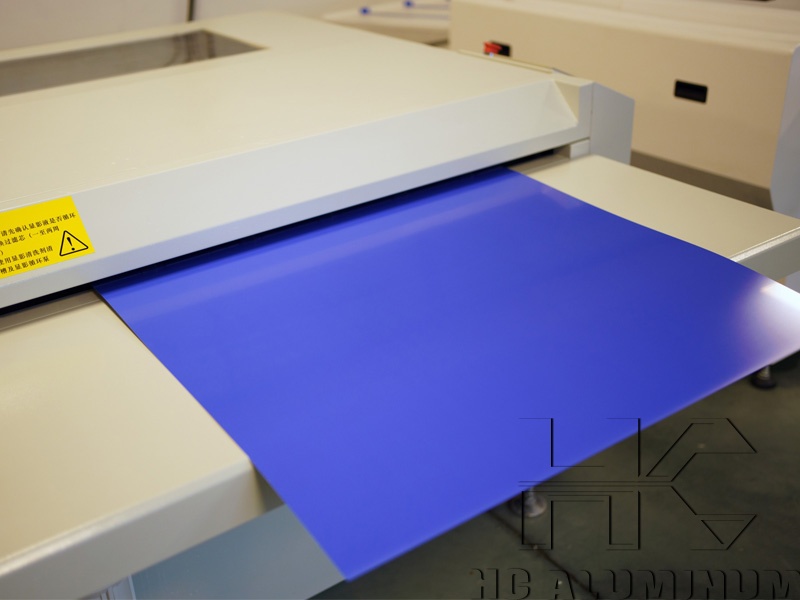
What plate making for offset printing really involves
In practical terms, plate making means preparing an aluminum-based plate so that image areas attract ink while non-image areas attract fountain solution. This selective behavior is achieved through a combination of substrate graining, anodizing, surface treatment, coating technology, laser exposure, and in some workflows, chemical processing.
Modern offset plate making usually starts with a digital file that is ripped and sent to a platesetter. The laser images the coating according to the required dot structure, linework, and text. Depending on the plate technology, the plate may then go through a processor, a simple gum stage, or directly to the press.
For buyers evaluating Offset Printing Plate options, this distinction is important. The plate type influences not only image quality, but also processor maintenance, chemistry consumption, daylight handling, exposure tolerance, and total cost per printed sheet.
The key stages in plate manufacturing and imaging
From a technical standpoint, high-quality plate making depends on consistency in several stages:
1. Aluminum base preparation
The base material is typically high-grade aluminum coil. It is mechanically and electrochemically grained to create a controlled micro-roughness. This structure improves water retention in non-image areas and enhances coating adhesion. Anodizing follows, forming a durable aluminum oxide layer that increases hydrophilicity and run length.
2. Coating application
The photosensitive or thermosensitive coating determines how the plate responds to laser exposure. Uniform coating weight is critical. Variations can cause uneven imaging, weak dots, or inconsistent development. In serious production environments, even small coating deviations can become visible on long runs or fine-screen work.
3. Exposure on CTP or CTCP equipment
Computer-to-plate systems use thermal or visible light lasers to write the image directly to the plate. Thermal systems are valued for strong daylight stability and precise dot reproduction. CTCP and conventional PS workflows remain relevant in many markets because they offer cost-effective operation and broad compatibility.
4. Development or process-free activation
Traditional and many CTP plates require development to remove either exposed or unexposed coating, depending on the plate chemistry. Process-free plates reduce or eliminate this step, which can lower chemistry use and simplify the workflow. However, process-free performance must still be judged carefully in relation to press conditions, ink systems, and cleaning cycles.
5. Gumming and press preparation
After imaging, the plate is usually protected with gum for storage or transport. On press, quick ink-water balance and clean background are the signs of a properly made plate. If startup takes too long, plate compatibility with chemistry, fountain solution, or press settings should be reviewed.
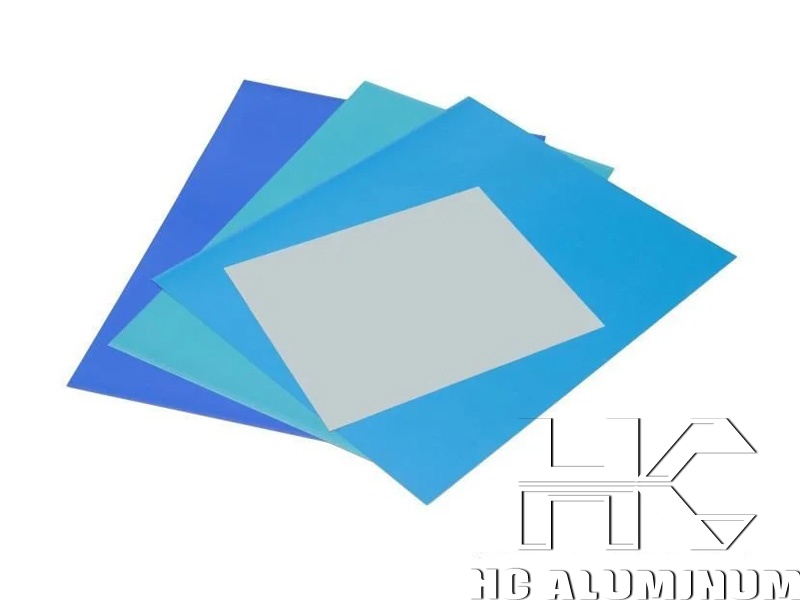
Different plate technologies and where they fit best
No single plate suits every printer. The right choice depends on run length, imaging equipment, environmental goals, budget, and job structure.
PS plates
Presensitized plates remain widely used in conventional offset workflows. They are typically exposed through film and then developed. In regions where film output remains economical or installed workflows are stable, PS plates can still be a rational choice. They are often selected for dependable performance and moderate investment requirements.
CTCP plates
CTCP plates use visible light exposure and are popular where printers want digital plate making without moving fully into thermal systems. They can be highly cost-efficient for commercial printers, especially when balancing equipment investment against output volume.
Thermal CTP plates
Thermal technology is often preferred for high-end commercial printing because of its imaging precision, handling stability, and tolerance in demanding production. Printers producing packaging, fine screens, stochastic work, or long runs often appreciate the control thermal plates offer. For readers comparing plate families, Thermal Plates are especially relevant where repeatability and sharp dot retention are priorities.
Process-free plates
Process-free plates are increasingly attractive for printers seeking cleaner workflows, reduced water use, and fewer processing variables. That said, process-free is not automatically the best choice in every pressroom. If a shop runs aggressive inks, long runs, or variable housekeeping standards, the plate must be tested in real production conditions rather than judged on theory alone.
What potential clients should evaluate beyond plate price
A common mistake in procurement is comparing plates only by unit cost. In reality, plate value is determined by total production performance.
A plate that costs slightly more but starts faster, reduces remakes, minimizes processor downtime, and holds image quality over the full run is often the less expensive option overall. When evaluating suppliers, clients should ask about:
Sensitivity and exposure latitude
Dot reproduction from highlight to shadow
Run length under actual press conditions
Background cleanliness and resistance to toning
Compatibility with developer, fountain solution, and inks
Shelf life and transport stability
Batch-to-batch consistency
For example, a commercial printer producing brochures at 175 lpi may focus on fine dot control and quick startup. A newspaper printer may prioritize fast imaging, robust handling, and economical high-volume performance. A packaging printer may care most about abrasion resistance, long runs, and stable solids.
Why plate consistency matters more than many buyers expect
In my view, the strongest plate suppliers are not defined by marketing claims but by manufacturing discipline. Consistency in alloy selection, graining depth, anodic layer control, coating formulation, and slitting accuracy directly affects pressroom behavior.
This is where many print buyers become more technical over time. They realize that plate making for offset printing is not just about whether an image appears on aluminum. It is about whether that image behaves predictably at 8,000 sheets, 30,000 sheets, or 100,000 sheets. It is about whether the non-image area stays clean on a humid summer day, whether fine reverse text remains open, and whether remakes disrupt delivery schedules.
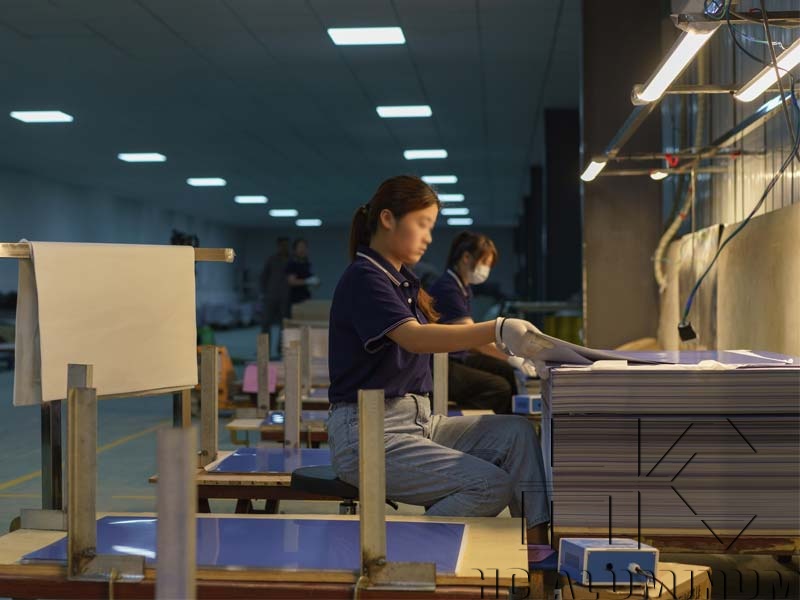
Illustrative examples from real production logic
Consider three simplified cases:
Case 1: A commercial sheetfed printer needs sharp text, smooth vignettes, and low paper waste during makeready. A stable thermal CTP plate with good developer latitude can reduce startup sheets and improve repeat work.
Case 2: A regional newspaper plant values fast throughput and controlled cost. CTCP or dedicated newspaper plate systems may provide the best balance of imaging speed and economics.
Case 3: A printer moving toward greener production wants to reduce chemistry handling and wastewater. Process-free plates can be highly attractive, provided the press environment is disciplined and the plate is validated for the target ink set and run length.
These examples show why plate selection should follow production reality, not generic specification sheets alone.
A practical view for buyers choosing a plate partner
Potential clients should look for a supplier that understands printing, not just plate sales. Good technical support includes guidance on storage conditions, safelight or daylight handling, laser energy settings, processor parameters, replenishment control, and troubleshooting for issues such as scumming, blinding, weak image, or short run length.
Reliable plate making for offset printing depends on the interaction of material science and pressroom practicality. When the plate is designed and manufactured well, the benefits are visible throughout the workflow: cleaner imaging, easier processing, faster startup, stable ink-water balance, longer run length, and more consistent print quality for the end customer.
That is why experienced printers treat the plate not as a commodity, but as a precision working component. In offset printing, the plate is where print quality begins.
PRODUCTS
ONLINE CONSULTATION
If you have any questions, please contact us and we will contact you as soon as possible.


Leave A Message
If you are interested in our products and want to know more details, please leave a message here, we will reply you as soon as we can.