
News
Violet processless CTP plates are designed for printers who want the speed and familiarity of violet laser imaging while removing the chemical processing stage from plate production. For many offset plants, that single change has a larger operational impact than it first appears. No developer tank, fewer variables in the plate room, lower water consumption, less waste liquid, and a more stable prepress workflow all contribute to a cleaner and more predictable production environment.
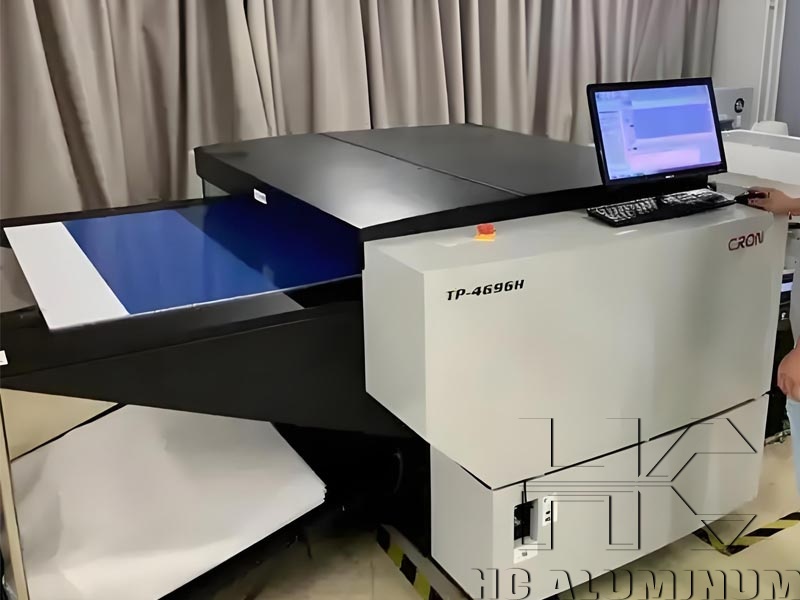
A violet processless plate is imaged by a 405 nm violet laser in a compatible CTP platesetter. After exposure, the plate is mounted directly on press. The non-image coating is removed during the start-up sequence by the combined action of fountain solution, ink, and mechanical contact. In practical terms, the plate is developed on press rather than in a separate processor. The printer can move from imaging to printing with fewer steps, provided the plate, platesetter, press chemistry, and operating discipline are correctly matched.
How Violet Processless Plate Technology Works
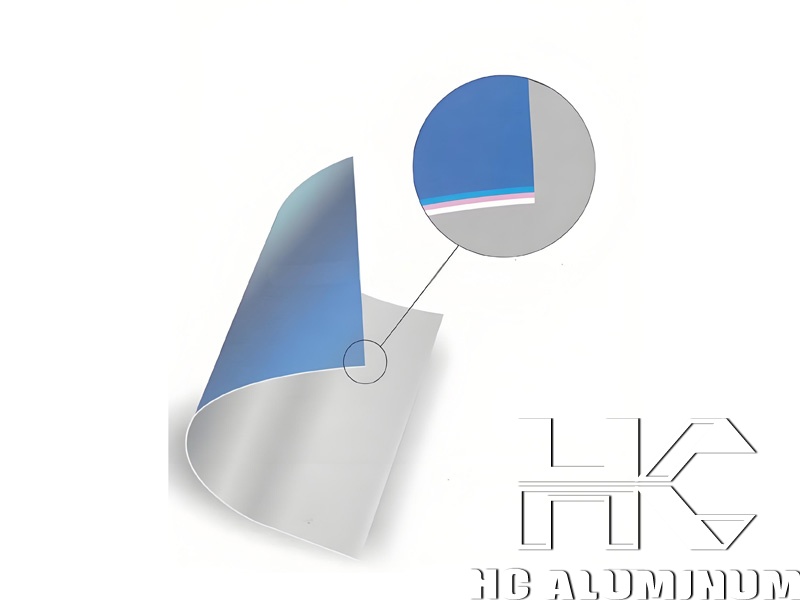
The base is normally a high-quality aluminum substrate that has been electrochemically grained and anodized to create strong water retention, coating adhesion, and press durability. On top of this base is a violet-sensitive photopolymer coating engineered to react under 405 nm exposure. The exposed image areas become ink receptive, while the non-image areas remain removable during on-press development.
Compared with conventional violet photopolymer plates, the key difference is not only the coating chemistry but also the workflow philosophy. Traditional violet plates usually require a processor, developer replenishment, gum, temperature control, and regular cleaning. Violet processless CTP plates remove much of that equipment dependency. This is especially valuable in plants where plate consistency is affected by exhausted developer, incorrect replenishment, or poor processor maintenance.
For companies already using violet platesetters, processless violet plates can be an efficient upgrade path. However, compatibility should never be assumed. Laser power, drum speed, plate sensitivity, safe-light conditions, punch registration, and post-exposure handling all need to be evaluated. A professional supplier should provide test plates, exposure guidelines, and press start-up recommendations before bulk purchasing.
Why Printers Choose Violet Processless CTP Plates
The first advantage is workflow simplification. Removing chemical processing reduces the number of variables between the PDF file and the printed sheet. In a busy commercial printing plant, fewer variables often mean fewer hidden costs.
A second advantage is environmental performance. Processless plates reduce or eliminate developer chemistry, waste discharge, processor cleaning chemicals, and related storage issues. For printers serving brand owners, publishers, food packaging clients, or export markets, this environmental improvement can support customer audits and sustainability claims.
A third advantage is operational stability. Developer concentration, oxidation, temperature drift, sludge, and roller contamination can all influence plate quality in a conventional processor. With violet processless plates, many of these risks disappear. The prepress team can spend less time adjusting the processor and more time controlling imaging accuracy, screening, and job delivery.
For buyers comparing different CTP Plates, it is useful to look beyond the plate price per square meter. A processless workflow may reduce chemistry cost, maintenance labor, water consumption, electricity, rejected plates, downtime, and floor space. The total cost per accepted printing plate is often more important than the purchase price alone.
Practical Example: A Medium-Run Commercial Printer
Consider a commercial printer producing brochures, catalogs, calendars, and promotional sheets on two B1 offset presses. The plant images 150 to 250 plates per day. With conventional violet plates, the processor requires daily checks, periodic cleaning, developer replenishment, and waste handling. When the processor is not stable, dot reproduction may shift, and operators may spend time re-making plates.
After adopting violet processless plates, the same printer can image plates and send them directly to press. The makeready team may need a short running-in routine to clear the non-image coating, but the plate room becomes cleaner and easier to manage. The financial gain is not only the saved developer. It is also the avoided plate remakes, reduced maintenance, lower operator intervention, and faster job transition.
In this kind of application, violet processless plates are most convincing when the print shop values repeatability. Shorter runs, frequent job changes, and tight delivery schedules benefit from a stable plate workflow.
What to Check Before Purchasing
A serious buyer should ask several technical questions before selecting a violet processless plate.
Platesetter compatibility: Confirm the required violet laser energy, exposure latitude, plate thickness, maximum size, and handling requirements. Some older violet CTP systems may need testing to confirm stable imaging.
Run length expectation: Processless plates are widely used for commercial offset work, but run length depends on plate formulation, press condition, ink, fountain solution, paper type, and whether aggressive washing is used. If you print long-run packaging or abrasive stocks, request a realistic run-length test.
Dot reproduction: Check 1-99 percent dot capability, FM screening performance, highlight stability, and midtone consistency. For high-end catalog or packaging work, dot gain control is essential.
On-press development behavior: A good violet processless plate should clean up quickly, without excessive paper waste, toning, or delayed image stability. The plate should reach normal ink-water balance within a predictable number of start-up sheets.
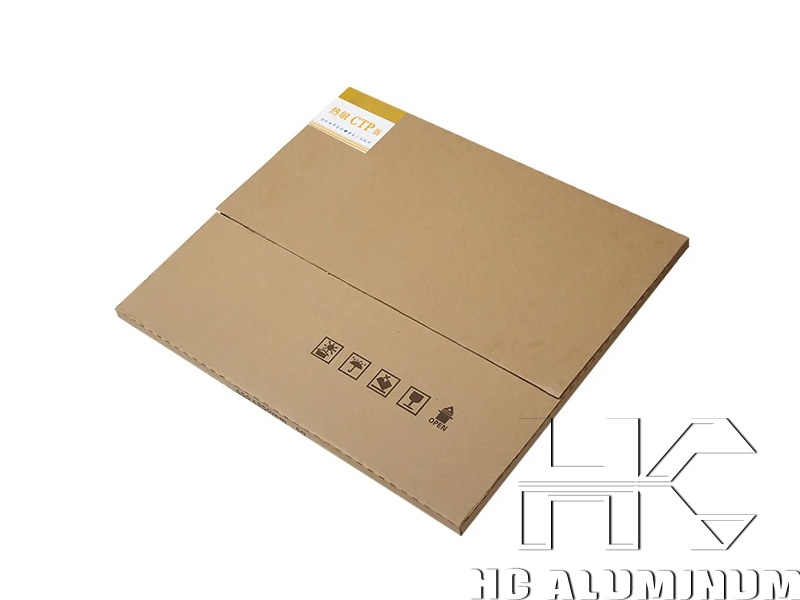
Storage and handling: Violet-sensitive plates usually require controlled lighting conditions. Packaging should protect against humidity, light, edge damage, and oxidation during sea transport and warehouse storage.
When evaluating a CTP Printing Plate, always test it under your actual production conditions rather than relying only on laboratory data. The same plate may behave differently on two presses if fountain solution pH, conductivity, roller settings, paper dust, and operator habits are different.
Where Violet Processless Plates Fit Best
Violet processless CTP plates are a strong choice for commercial printing, book printing, educational materials, newspaper supplements, forms, leaflets, and general sheetfed offset production. They are particularly attractive where printers already own violet CTP equipment and want to reduce chemical processing without investing in a new thermal platesetter.
They are also useful for export-oriented printers who need a cleaner production story. Many international print buyers now ask suppliers about waste treatment, VOC reduction, energy savings, and environmental responsibility. A processless plate workflow gives the printer a practical answer backed by measurable production changes.
A Professional View on Selection
From a manufacturer and exporter perspective, I see violet processless CTP plates as a technical product rather than a simple consumable. The best results come when the plate is matched to the customer's imaging device, pressroom chemistry, run length, and quality target. A low price is attractive, but stable coating quality, clean aluminum base, reliable packaging, and batch consistency are what protect the printer's daily production.
For importers and distributors, the ideal violet processless plate should offer balanced sensitivity, fast clean-up, good scratch resistance, stable shelf life, and predictable performance across different climates. For printers, the right plate should reduce work, not create a new set of adjustments.
Violet processless CTP plates represent a practical move toward leaner, cleaner offset printing. They keep the proven advantages of violet imaging while removing one of the most troublesome parts of traditional plate production: chemical processing. For printing companies that want better control, lower waste, and a more modern plate room, this technology deserves a careful press trial and a serious cost analysis.
PRODUCTS
ONLINE CONSULTATION
If you have any questions, please contact us and we will contact you as soon as possible.


Leave A Message
If you are interested in our products and want to know more details, please leave a message here, we will reply you as soon as we can.