
News
In commercial sheetfed and web offset printing, plate behavior often determines whether a job runs smoothly or becomes a costly series of adjustments. Positive offset printing plates remain a trusted choice because they combine proven chemistry, practical processing control, and dependable print reproduction. For printers handling packaging, books, magazines, brochures, forms, and general commercial work, a well-made positive plate offers something every pressroom values: predictability.
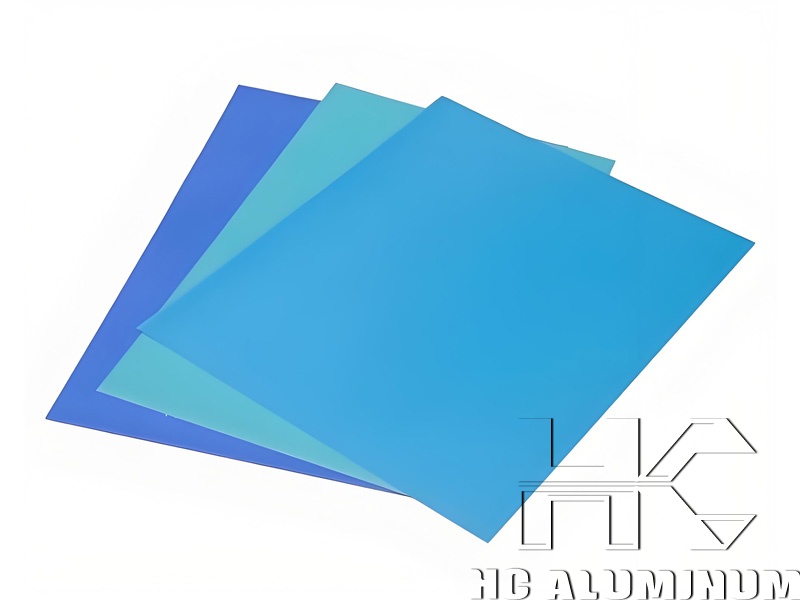
A positive offset printing plate is designed so that the exposed image area becomes soluble in the developer, while the unexposed non-image area remains on the plate and forms the ink-receptive printing surface after processing. This working principle has been widely adopted for conventional PS plate production because it supports fine highlight dots, smooth gradation, and efficient plate making under controlled exposure and development conditions.
From my perspective, the real strength of positive plates is not only their imaging principle, but their production balance. A good plate must have uniform graining, stable anodizing, consistent hydrophilic background performance, strong coating adhesion, and processing tolerance that forgives minor pressroom variation. When these elements are engineered correctly, the result is a plate that exposes cleanly, develops evenly, and runs on press with low water demand and strong ink-water balance.
What makes positive offset printing plates valuable?
Positive plates are especially attractive to printers who still rely on analog plate making, PS plate workflows, or hybrid prepress environments. They are appreciated for several technical and operational reasons:
High image resolution and clean dot reproduction
Good compatibility with conventional exposure systems
Stable development behavior
Fast start-up on press
Strong non-image area hydrophilicity
Reliable performance for medium to long runs, depending on plate grade and baking conditions
These advantages matter in daily production. For example, a commercial printer producing 4-color promotional leaflets may need plates that image quickly in prepress and reach color stability within the first dozens of sheets, not hundreds. A positive plate with a fine-grain aluminum base and uniform coating can reduce start-up waste while preserving highlight detail in skin tones and light backgrounds.
Structure and technical composition
A positive offset printing plate is more sophisticated than it may appear. Its performance depends on each layer and treatment step:
Aluminum substrate: Usually high-quality electrolytic grained aluminum, providing mechanical strength and water retention.
Anodized layer: Improves wear resistance and coating anchorage.
Hydrophilic treatment: Helps maintain clean non-image areas during printing.
Photosensitive coating: Responds to UV exposure and defines image formation during development.
Protective layer: In some products, this supports handling stability and storage performance.
The consistency of these layers directly affects plate latitude. If coating weight varies or anodizing is uneven, printers may notice tone instability, weak highlight retention, scumming, or shorter run length. That is why buyers should evaluate not only plate price, but also manufacturing discipline, raw material control, and batch-to-batch uniformity.
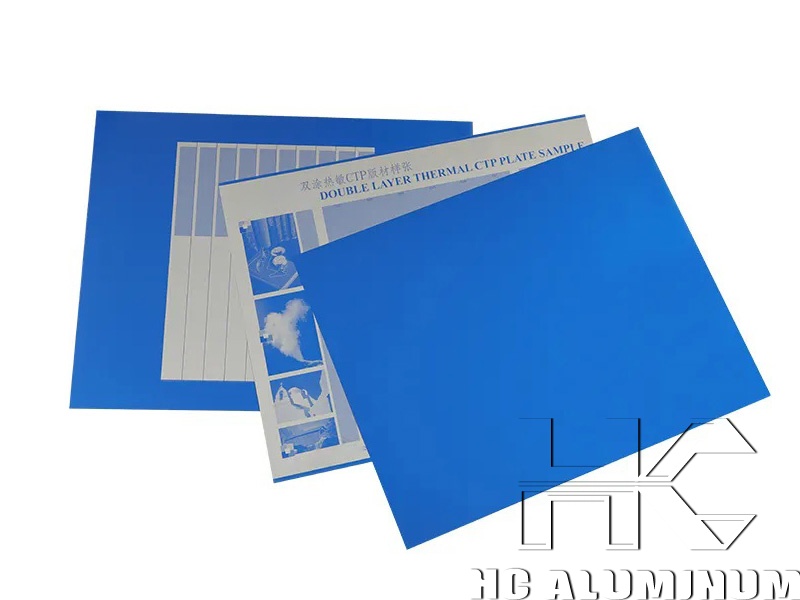
Typical applications in the printing industry
Positive offset printing plates are widely used in:
Commercial printing
Book and textbook production
Magazine printing
Label inserts and paper packaging
Office stationery and forms
Short- to medium-run advertising materials
A simple example illustrates their practicality. Suppose a printer needs to produce 30,000 copies of an educational catalog with fine text, line art, and halftone images. A stable positive plate can preserve 2% to 98% dot reproduction under proper exposure conditions, hold small serif characters clearly, and maintain plate cleanliness through the full run. If the same printer also values straightforward chemistry control and familiar processing habits, positive plates become a very rational choice.
For buyers comparing product options, it is useful to understand how Presensitized Plate technology supports efficient conventional workflows where dependable exposure response and processing latitude are priorities.
Pressroom performance: where quality becomes visible
Clients may ask what separates a premium positive plate from an ordinary one. In practical terms, the difference shows up in five places:
1. Faster makeready
A high-quality positive plate accepts ink rapidly while keeping non-image areas clean. The operator reaches acceptable density sooner, reducing paper waste.
2. Cleaner highlight reproduction
When the coating and graining are uniform, tiny dots survive exposure and development more accurately. This is critical in cosmetics brochures, art books, and premium promotional work.
3. Better resistance to toning and scumming
A well-treated background helps the plate stay hydrophilic. This lowers the risk of dirty backgrounds during longer runs.
4. Stable run length
Depending on plate grade, ink system, paper, fountain solution, and press conditions, positive plates can deliver dependable medium-run performance. Some grades can be baked to extend durability further.
5. Wider processing tolerance
In real factories, perfect conditions do not exist every hour of every day. Plates with better latitude tolerate moderate variation in exposure energy, developer activity, and processor speed.
How to choose the right positive offset printing plate
Selecting the right plate is not only about specification sheets. It should begin with the printer's actual workflow. Buyers should consider:
Exposure system type and lamp output
Developer chemistry and processor condition
Required run length
Image complexity, including line work and halftones
Press speed and fountain solution control
Storage environment and transport distance
For instance, a printer in a hot, humid region may need a plate with stronger storage stability and coating robustness during transport. A newspaper-related operation may prioritize fast imaging and rapid press startup, while a commercial printer producing high-value brochures may place greater emphasis on fine dot fidelity and clean backgrounds.
This is also why many buyers compare positive plates with other Offset Printing Plate options before making a final sourcing decision. The correct choice depends on equipment, market segment, and production targets rather than on a generic specification alone.
Processing tips that protect plate performance
Even excellent plates can underperform if processing is not managed properly. A few practical disciplines make a measurable difference:
Keep exposure calibration consistent and verify vacuum frame contact.
Control developer temperature and replenishment rate.
Avoid overdevelopment, which can weaken fine dots.
Rinse thoroughly after development.
Apply gum evenly for storage protection.
Store plates flat in a cool, dry environment away from direct sunlight.
One common issue in plate rooms is assuming every imaging problem comes from the plate itself. In reality, weak lamp intensity, exhausted developer, poor rinse water quality, or unstable fountain solution can all affect final press performance. Serious suppliers understand this and support customers with technical troubleshooting, not only product shipment.
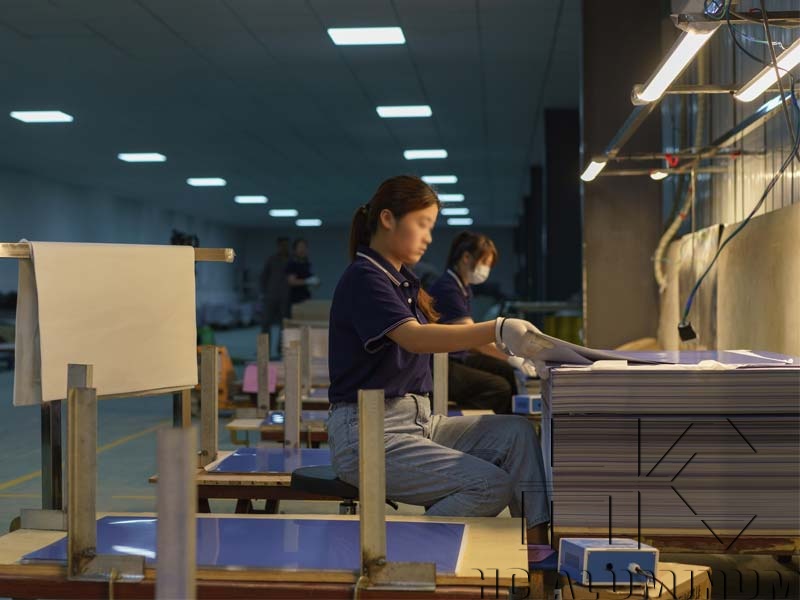
What professional buyers should expect from a supplier
When evaluating positive offset printing plates, experienced buyers usually look beyond brochures. They want evidence of process control. Important indicators include:
Stable alloy and substrate sourcing
Uniform electrochemical graining and anodizing
Tight coating quality control
Reliable packaging for long-distance export
Batch traceability
Technical support for exposure, development, and press optimization
A supplier should be able to discuss plate sensitivity, recommended developer conditions, run-length expectations, baking suitability, and storage guidance with confidence and precision. That kind of communication signals manufacturing maturity.
Positive offset printing plates continue to earn their place in modern printing because they offer a practical combination of image quality, workflow familiarity, and production efficiency. For printers who need clean reproduction, dependable processing, and stable press behavior, they remain one of the most effective and economical solutions in conventional offset printing.
PRODUCTS
ONLINE CONSULTATION
If you have any questions, please contact us and we will contact you as soon as possible.


Leave A Message
If you are interested in our products and want to know more details, please leave a message here, we will reply you as soon as we can.