
News
Violet offset printing plates occupy a very specific and valuable position in the CTP plate market. They are designed for platesetters using a 405 nm violet laser, a technology widely adopted by newspaper plants, book printers, packaging converters, and commercial offset printers that require fast plate output, reliable dot reproduction, and predictable press behavior. When a customer asks whether violet plates are still relevant in a market where thermal plates are heavily promoted, my answer is simple: if the prepress workflow is built around violet CTP, a well-made violet plate can deliver excellent productivity at a very competitive operating cost.
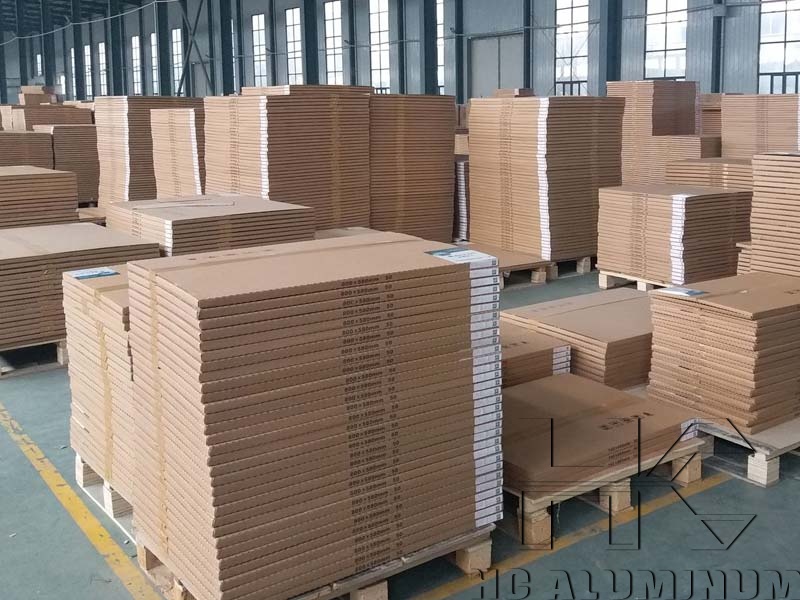
What Makes Violet Offset Printing Plates Different?
Most violet offset printing plates are negative-working photopolymer plates. During imaging, the 405 nm violet laser exposes the image area, triggering polymerization in the coating. After processing, the exposed image area remains oleophilic and accepts ink, while the non-image area is removed and retains water. This chemistry gives violet plates their well-known advantages: high imaging sensitivity, fast platesetter speed, and sharp dot formation.
Compared with conventional PS plates, violet CTP plates eliminate film output and vacuum frame exposure, reducing registration errors and shortening prepress time. Compared with many thermal systems, violet plates are often valued for faster imaging throughput, especially in high-volume environments. For a newspaper plant producing hundreds of plates per night, minutes saved at the platesetter can directly affect press start time.
For printers evaluating a broader Offset Printing Plate portfolio, violet plates should not be judged only by purchase price. The real comparison should include plate sensitivity, processor stability, chemical consumption, scratch resistance, run length, storage performance, and the consistency of dots from the first plate to the last plate in a production batch.
Key Technical Features Clients Should Evaluate
A professional violet plate is not simply an aluminum sheet with a coating. Performance begins with the aluminum base. High-quality electrochemical graining and anodizing create a uniform surface structure that supports water retention, coating adhesion, and long press life. If the substrate is inconsistent, even the best coating cannot fully compensate on press.
Important technical factors include:
Laser compatibility: Violet plates are designed for 405 nm laser systems. Matching plate sensitivity with the platesetter power and drum speed is essential.
Resolution and screening: Quality violet plates can support fine AM screening and FM screening when the workflow, processor, and press conditions are well controlled.
Run length: Depending on coating type, press conditions, ink, paper, and fountain solution, violet plates may support tens of thousands to hundreds of thousands of impressions. Baking or special post-treatment may extend run length for demanding jobs.
Processor tolerance: Stable development latitude helps reduce variation caused by developer age, temperature fluctuation, replenishment rate, and contamination.
Handling safety: Violet photopolymer plates normally require safelight conditions. Correct warehouse and prepress handling prevent fogging and sensitivity loss.
A practical example: a book printer running 70 x 100 cm sheets with medium coverage may prioritize dot stability and scratch resistance. A newspaper printer, however, may care more about ultra-fast imaging, short processing time, and stable performance during continuous night production. The plate selection logic is different, even though both use violet CTP technology.
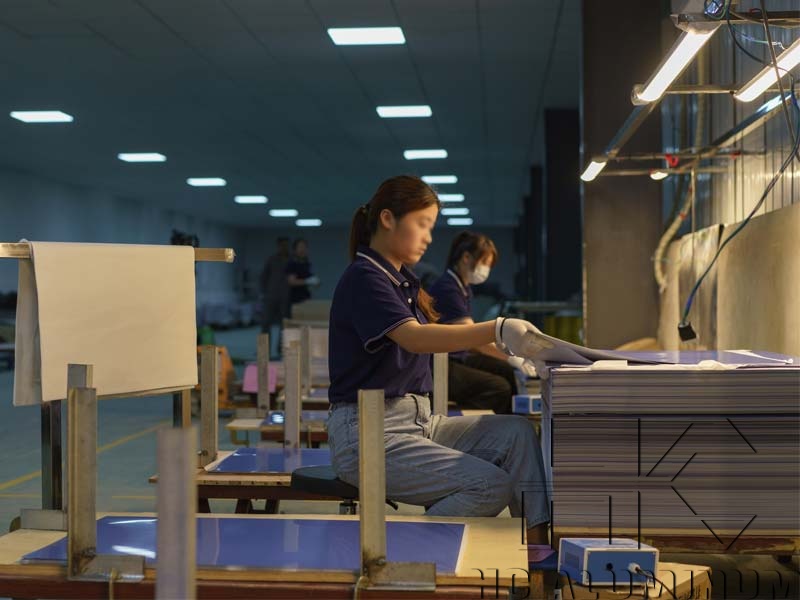
Why Violet Plates Are Popular in Newspaper Production
Violet offset printing plates have a strong reputation in newspaper printing because they fit the rhythm of deadline-driven production. Newspaper plants often run multiple editions under strict time pressure. Plates must be imaged quickly, processed cleanly, mounted accurately, and start up with minimum waste.
In this environment, sensitivity matters. A highly sensitive violet plate allows the platesetter to operate at higher speed without sacrificing image quality. This can be especially important when several press towers require new plates within a short production window. For dedicated Newspaper Printing Plates, the ideal plate is not only fast; it must also resist handling marks, maintain clean non-image areas, and deliver stable ink-water balance on absorbent newsprint.
Consider a regional newspaper plant producing 48 pages per edition with multiple city versions. If the plant images 192 plates during a tight evening window, a modest improvement in platesetter throughput can reduce bottlenecks. More importantly, if the plate develops cleanly and reaches density quickly on press, the operator can reduce start-up waste. Over months, those savings can be more significant than a small difference in plate unit price.
Pressroom Performance: Where Quality Becomes Visible
A violet plate proves its value on press. Good plates show fast ink acceptance in the image area, clean background in the non-image area, and stable reproduction through the run. Poor plates may look acceptable after processing but reveal problems later: tinting, dot loss, slow roll-up, premature wear, or inconsistent water balance.
For commercial printers, highlight and shadow reproduction are critical. A catalog printer using coated paper and fine screening may need stable 1 percent to 99 percent dot reproduction. If the plate coating is uneven or the processing window is narrow, small dots may become unstable, especially after several hours of production. A reliable violet offset printing plate helps protect image detail and reduces operator intervention.
Packaging printers may focus on repeat jobs. When a food packaging customer reorders the same artwork three months later, the printer expects the plate system to reproduce color consistently. Stable graining, controlled anodizing, and uniform photopolymer coating all contribute to repeatability.
Storage, Handling, and Processing Recommendations
To get the best result from violet plates, clients should treat plate handling as part of the quality system. Plates should be stored flat in original packaging, away from humidity, high temperature, and white light exposure. A typical controlled warehouse condition is cool, dry, and stable, with cartons protected from direct sunlight and chemical vapors.
Before production, operators should confirm:
Correct safelight conditions in the plate room
Clean platesetter optics and stable laser output
Developer temperature and conductivity within supplier recommendations
Proper replenishment for the actual plate area processed
Clean processor rollers and balanced brush pressure
Suitable gum application for short-term or longer storage before press
One useful habit is to record plate batch number, processor settings, developer age, and press feedback. When a problem occurs, this record helps distinguish plate issues from processing, platesetter, or press chemistry causes. Professional printers do not troubleshoot by guessing; they compare data.
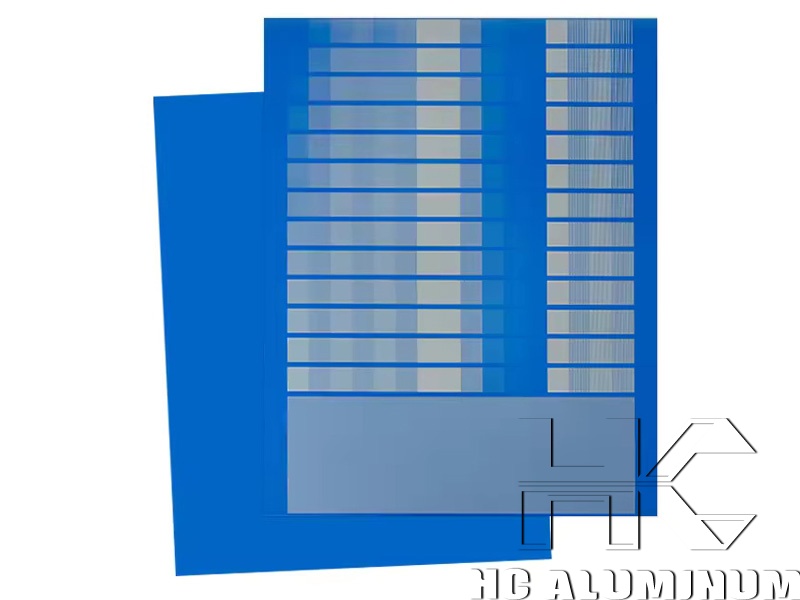
Selecting a Violet Plate Supplier
When choosing violet offset printing plates, buyers should look beyond the product datasheet. A capable supplier should understand aluminum substrate control, coating consistency, packaging protection, export logistics, and technical support. For overseas clients, moisture-proof packaging and stable carton strength are especially important because plates may pass through long sea transport, temperature variation, and repeated handling before reaching the printing plant.
Ask the supplier for practical information: compatible platesetter models, recommended processor settings, run length references, safelight requirements, and storage conditions. If possible, test plates under real production conditions rather than only laboratory exposure. A good trial should include imaging speed, processing cleanliness, dot measurement, press start-up behavior, and run stability.
Violet CTP technology continues to serve printers who value speed, productivity, and reliable offset performance. With the right plate, correct processing control, and disciplined pressroom practice, violet offset printing plates remain a technically sound and commercially smart choice for many high-volume printing operations.
PRODUCTS
ONLINE CONSULTATION
If you have any questions, please contact us and we will contact you as soon as possible.


Leave A Message
If you are interested in our products and want to know more details, please leave a message here, we will reply you as soon as we can.