
News
For printers already running violet CTP equipment, the move toward a chem-free violet printing plate is not only an environmental decision. It is also a practical production upgrade. Developer temperature, replenishment rate, processor oxidation, sludge removal, wastewater handling, and unstable dot reproduction are familiar issues in conventional plate making. A chem-free violet plate is designed to remove those variables from daily work while keeping the speed and imaging advantages of violet laser systems.
A chem-free violet printing plate is typically imaged by a 405 nm violet laser, then cleaned out either by a simple gum/clean-out unit or, in some plate systems, by on-press development during the first sheets of make-ready. The key point is that it does not require a traditional alkaline developer bath. This makes it especially attractive for commercial printing plants, packaging printers, newspaper operations, and trade shops that want cleaner platemaking without replacing their violet platesetter.
Why violet CTP still matters
Thermal CTP receives much attention, but violet CTP remains a strong choice in many printing markets. Violet laser diodes are energy-efficient, fast, and cost-effective. The technology is widely used in medium and high-volume plate production because it supports stable imaging, relatively low power consumption, and quick plate throughput.
For a printer that already owns a violet platesetter, replacing the whole imaging system may not be reasonable. A chem-free violet printing plate offers a more targeted improvement: keep the existing 405 nm imaging workflow, but reduce chemical dependency in the plate room. This is often the most economical path toward a cleaner prepress department.
How a chem-free violet plate works
The coating of a chem-free violet plate is engineered to react efficiently to violet laser exposure. During imaging, the plate forms a durable image area and a removable non-image area. Unlike traditional violet photopolymer plates, the non-image coating is not removed by a strong chemical developer. Instead, it is removed by gum, water-based clean-out, or the dampening/inking action on press, depending on the specific plate type.
This difference may sound small, but in production it changes many things:
No developer conductivity adjustment
No developer oxidation during idle periods
No chemical sludge from plate processing
Less processor maintenance
More consistent plates after weekends or holidays
Lower water treatment burden
For plants comparing options, Chemistry Free Plates are often evaluated not only by imaging sensitivity, but also by clean-out behavior, scratch resistance, run length, and compatibility with existing fountain solution and ink systems.
Practical performance points buyers should check
A professional buyer should not judge a chem-free violet printing plate only by the label chem-free. The real value appears when the plate performs reliably under normal pressroom conditions. Several technical points deserve attention.
1. Violet laser compatibility
Confirm that the plate matches the output power, resolution, drum speed, and screening method of your current violet CTP unit. A plate that images well at your normal exposure setting will save time during calibration.
2. Clean-out speed and background cleanliness
Whether the plate uses a gum unit or on-press clean-out, the non-image area must clear quickly and evenly. Poor clean-out can lead to tinting, toning, or longer make-ready.
3. Dot reproduction and plate latitude
Good chem-free violet plates should hold fine screens, stable midtones, and clean highlights. In commercial work, 1%-99% dot reproduction may be required depending on the RIP, screening, and press condition.
4. Run length
The required run length differs by market. A small commercial printer may need 20,000 impressions. A packaging printer may expect much more. Always test the plate with your real paper, ink, fountain solution, and blanket condition.
5. Handling under safelight
Violet-sensitive plates must be handled correctly. Even chem-free versions normally require suitable yellow safelight conditions. Storage temperature, humidity, and package sealing also affect plate stability.
Example: commercial printer reducing processor problems
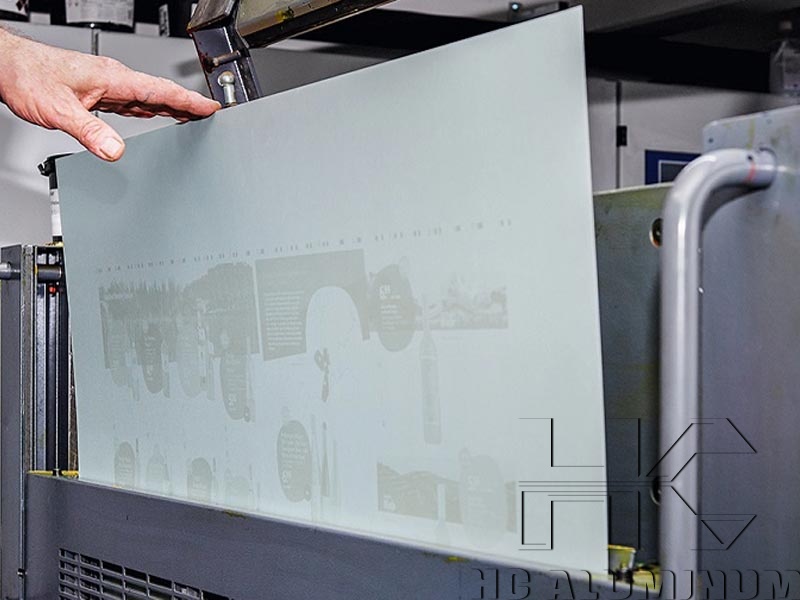
Consider a 4-up commercial printer producing brochures, catalogs, and short-run books. With conventional violet plates, the team must check developer activity every morning. On Monday, the first plates sometimes show unstable highlights because the processor chemistry has aged over the weekend. The operator compensates by adjusting exposure or running test plates, which consumes time and material.
After switching to a chem-free violet printing plate with gum clean-out, the shop removes developer control from the routine. The CTP operator focuses on imaging accuracy, plate loading, and job sequence. The pressroom receives plates with more predictable background cleanliness. The measurable saving is not only chemical cost; it is less rework, shorter start-up time, and fewer disputes between prepress and press operators.
Example: packaging printer improving workplace cleanliness
A folding carton printer may run many spot colors, frequent plate changes, and medium-length jobs. In this environment, processor contamination can become a hidden cost. Coating residue, developer sludge, and cleaning downtime interrupt production. By adopting a chem-free violet plate, the plant reduces liquid waste and simplifies prepress housekeeping. The plate room becomes cleaner, odor is reduced, and operators spend less time maintaining tanks and rollers.
This is also useful when customers request more sustainable production. Brand owners increasingly ask how packaging is printed, not only how it looks. A chemistry-reduced platemaking workflow supports that conversation with practical evidence: less developer, less wastewater, and lower maintenance demand.
Chem-free is not the same as careless
One misunderstanding is that chem-free plates need no control at all. In reality, they still need disciplined handling. Exposure must be calibrated. Gum concentration, if used, must be maintained. On-press developing plates need correct dampening and inking balance during start-up. Plate storage should avoid high humidity, direct sunlight, and large temperature swings.
A good supplier should provide clear technical data, recommended imaging energy, safelight requirements, storage conditions, and troubleshooting support. When we discuss Processless Printing Plates with customers, I always suggest testing them on the most demanding job first, not the easiest one. If the plate performs well with fine screens, heavy coverage, and fast make-ready, it will usually handle standard work comfortably.
What makes a strong chem-free violet plate supplier
For importers, distributors, and printing groups, plate consistency is as important as plate technology. A professional manufacturer must control aluminum substrate quality, electrochemical graining, anodizing weight, coating uniformity, slitting accuracy, and packaging protection. Chem-free technology is sensitive to coating precision; small variations can affect imaging speed and clean-out behavior.
Buyers should ask for:
Plate thickness and tolerance
Recommended exposure range
Compatible platesetter models
Clean-out method and make-ready guidance
Run length under standard conditions
Shelf life and storage requirements
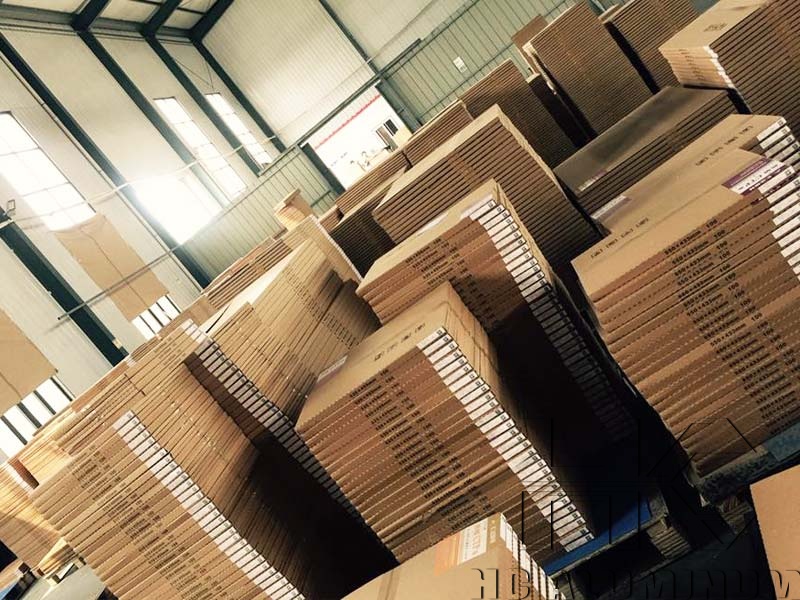
Packing details for sea freight and long-distance transport
A cleaner path for violet CTP users
The chem-free violet printing plate is most valuable when it solves real production problems: unstable developer, high maintenance, chemical waste, inconsistent Monday-morning plates, and pressure from customers for greener printing. It allows violet CTP users to modernize their workflow without abandoning existing equipment.
For a printer, the best plate is not simply the newest technology. It is the plate that images reliably, clears cleanly, runs steadily on press, and makes the whole production chain easier to manage. A well-made chem-free violet printing plate can do exactly that, combining the practical economy of violet CTP with a cleaner and more predictable plate-making process.
PRODUCTS
ONLINE CONSULTATION
If you have any questions, please contact us and we will contact you as soon as possible.


Leave A Message
If you are interested in our products and want to know more details, please leave a message here, we will reply you as soon as we can.