
News
Newspaper printing is a special kind of offset production. The job is not only to print clearly, but to print quickly, repeatedly, and under intense time pressure. A plate that performs well in commercial sheetfed printing may not automatically be the best choice for a coldset web newspaper press running through the night. For this reason, the single layer CTP plate for newspaper printing remains a practical and intelligent option for many newspaper plants that need dependable imaging, fast plate output, and controlled production cost.
A single layer plate has a relatively simple coating structure compared with double layer or long-run specialty plates. That simplicity is not a weakness. For newspaper work, it can be an advantage: faster exposure response, stable development latitude, easier processing control, and competitive plate cost per page.
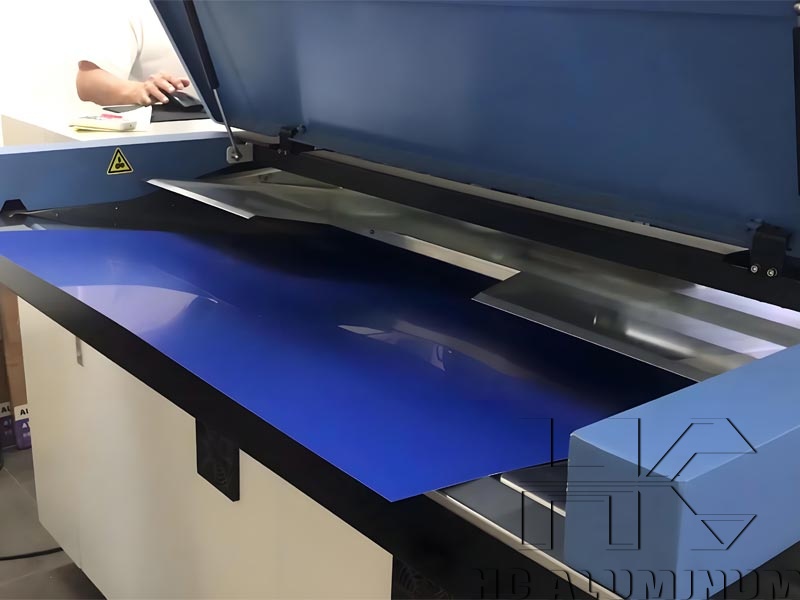
Why Newspaper Printers Prefer Single Layer CTP Plates
The newspaper workflow is built around speed. Editorial pages may close late, advertisements may change close to deadline, and plate rooms often need to output large numbers of plates in a narrow production window. A well-designed Single Layer CTP Plate supports this workflow by offering high sensitivity on common thermal platesetters, usually with clean image formation and predictable processor behavior.
In practical terms, this means the plate room can image more plates per hour without constantly adjusting exposure energy or developer strength. For a daily newspaper printing 32 pages in several editions, even a small reduction in plate remake rate can save valuable time. If one plate remake delays a press start by only five minutes, the cost is not just the plate itself; it is labor, paper waste, press waiting time, and delivery pressure.
Technical Features That Matter on Press
For newspaper printing, several plate characteristics deserve close attention.
1. Fast thermal imaging response
Most newspaper CTP systems use 830 nm thermal laser imaging. A single layer thermal CTP plate should expose efficiently within the energy range recommended by the platesetter manufacturer. Stable sensitivity helps keep imaging consistent across different batches and storage periods.
2. Clean development and low sludge
Newspaper plate rooms often run continuously during production hours. If the plate coating dissolves poorly or creates excessive residue, processor maintenance increases and image defects may appear. A good single layer CTP plate should develop cleanly, keep the non-image area hydrophilic, and reduce contamination in the processor tank.
3. Reliable dot reproduction
Newspaper printing commonly uses AM screening from about 85 to 120 lpi, while some modern plants use higher screen rulings or hybrid screening for improved image quality. The plate must hold small highlight dots and prevent shadow plugging. Stable 2 percent to 98 percent reproduction under proper exposure and development conditions is a realistic expectation for quality newspaper work.
4. Strong ink-water balance
Coldset newspaper presses run at high speed, and the paper is absorbent. The plate surface must accept ink quickly in image areas while maintaining clean background in non-image areas. A plate with poor hydrophilicity may cause toning, scumming, or frequent water adjustments.
5. Suitable run length
Many newspaper jobs do not require extremely long run plates. Depending on press conditions, fountain solution, ink abrasiveness, and paper quality, a quality single layer CTP plate can often satisfy typical newspaper run lengths without baking. For exceptionally long production or harsh press chemistry, a double layer or baked plate may be considered, but for standard daily newspaper editions, single layer is often more economical.
Example: Reducing Risk in a Multi-Edition Newspaper Plant
Consider a regional newspaper plant producing three nightly editions: city, suburban, and late sports. The first edition requires 96 plates, the second changes 28 plates, and the late edition changes another 16 plates. The plate room must output, punch, bend, and deliver plates to press with almost no idle time.
If the plate has narrow development latitude, the operator may need to test exposure frequently or increase processor checks. If the plate coating is unstable, a few plates may show weak image density or background sensitivity after development. A stable single layer CTP plate reduces these variables. Operators can focus on page flow rather than troubleshooting.
This is where plate consistency becomes more valuable than impressive laboratory numbers. Newspaper customers usually care about three things: the plate images correctly, the press starts cleanly, and the edition leaves on time.
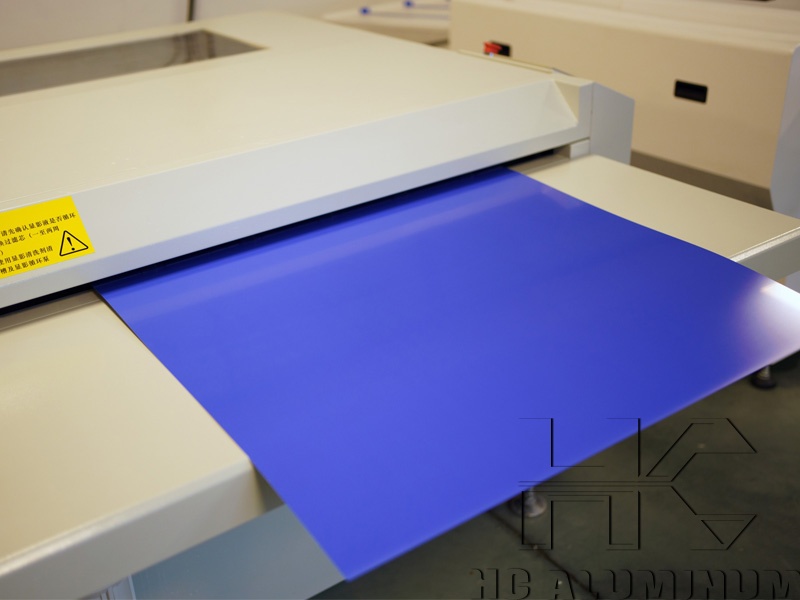
Single Layer vs. Double Layer: Choosing with Real Production Logic
A double layer plate can offer higher chemical resistance and longer run capability, especially for demanding commercial or packaging work. However, newspaper printing often benefits from a simpler plate system. Single layer plates generally provide a strong balance of imaging speed, processing ease, and cost control.
When the average run is moderate, the artwork changes frequently, and the plant consumes large plate volumes every month, plate economy becomes important. Paying for extra durability that is not needed on press may not be the best purchasing decision. On the other hand, if a newspaper printer regularly runs very long inserts, abrasive recycled paper, or aggressive pressroom chemistry, comparing a single layer plate with a Double Layer CTP Plate is sensible.
The right choice should be based on actual conditions: platesetter model, processor type, developer replenishment, press speed, blanket condition, paper dust level, fountain solution pH, conductivity, and target run length.
Recommended Application Conditions
For best performance, newspaper printers should control the entire plate workflow, not only the plate purchase. Storage should be dry, cool, and away from direct sunlight. Plates should be acclimatized before opening if they are moved from a cold warehouse into a warm plate room. Processor temperature, developing speed, brush pressure, and replenishment rate should be checked regularly.
A typical newspaper plate room can benefit from keeping a simple daily control record: exposure setting, developer temperature, conductivity, processed plate count, and any plate defects. This record helps identify whether a problem comes from plate material, processor drift, chemistry fatigue, or handling.
What Buyers Should Ask Before Ordering
Before selecting a supplier, newspaper printers should ask practical technical questions:
Is the plate compatible with my thermal CTP platesetter?
What is the recommended exposure energy range?
What developer and replenishment rate are recommended?
What run length can be expected under coldset newspaper conditions?
Can the supplier provide stable batch quality and export packaging?
Are common thicknesses available, such as 0.15 mm, 0.20 mm, 0.24 mm, or 0.30 mm?
These questions are more useful than simply asking for the lowest price. A low-priced plate that causes remakes, processor cleaning, or press delays is not truly economical.
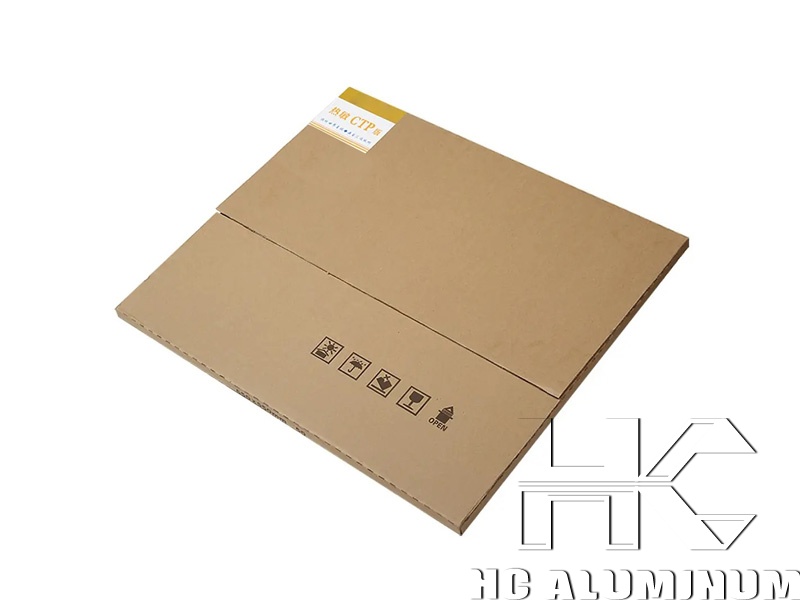
Packaging and Export Stability Also Matter
For international newspaper customers, packaging is part of product quality. Plates may travel by sea, rail, or truck and pass through different climates. Moisture-proof wrapping, strong cartons, protected edges, and clear batch labeling help prevent transit damage and simplify warehouse management.
At HC Aluminum, we view the single layer CTP plate for newspaper printing as a production tool, not only a consumable material. A good plate should disappear into the workflow: it should image without drama, develop cleanly, mount accurately, and run predictably. When the press crew does not need to talk about the plate, the plate is doing its job.
For newspaper printers seeking a dependable balance between imaging speed, dot stability, clean processing, and cost per edition, the single layer CTP plate remains one of the most efficient choices in modern offset newspaper production.
PRODUCTS
ONLINE CONSULTATION
If you have any questions, please contact us and we will contact you as soon as possible.


Leave A Message
If you are interested in our products and want to know more details, please leave a message here, we will reply you as soon as we can.