
News
Newspaper printing is a discipline of minutes. A plate that performs well in a commercial sheet-fed plant may still disappoint on a coldset web press if it cannot hold dots, clean up quickly, and survive long, high-speed runs on absorbent newsprint. This is where CTCP plates for newspaper printing continue to prove their value. They combine the economy of conventional UV-sensitive plate technology with the workflow advantages of computer-to-plate imaging.
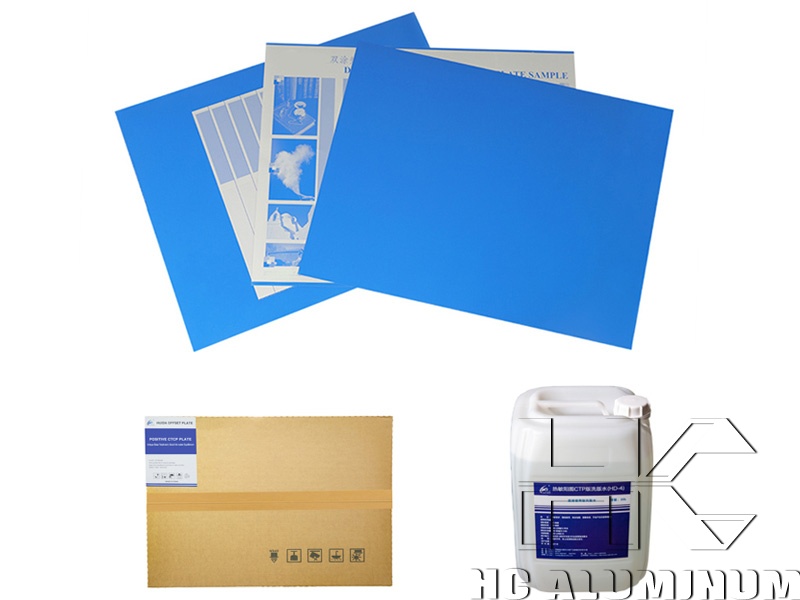
CTCP, short for Computer-to-Conventional Plate, uses a UV or violet laser imaging system to expose specially coated positive-working aluminum plates. For newspaper printers, the practical attraction is clear: direct digital imaging, no film, reduced registration error, and a plate cost structure that is usually more competitive than thermal CTP. When a pressroom outputs hundreds or thousands of plates every week, the saving per square meter becomes a real production advantage, not a small purchasing detail.
Why Newspaper Pressrooms Choose CTCP Plates
A newspaper plate is judged by three things before anything else: how fast it can be made, how cleanly it runs, and how consistently it repeats yesterday's result. Good CTCP Printing Plates are designed for this environment. The aluminum base is electrochemically grained and anodized to create a strong hydrophilic surface, while the photosensitive coating provides ink acceptance in image areas and easy developer removal in non-image areas.
On a typical coldset web offset line, the plate must handle quick start-up, changing ink density, dampening variation, paper dust, and mechanical stress from high-speed cylinder rotation. A stable CTCP plate helps reduce scumming, toning, premature wear, and dot deformation. These are not abstract technical words; they directly affect how many copies are sellable at the beginning of the run and how much waste paper is thrown away.
For example, a regional newspaper printing 60,000 copies per night may use 0.30 mm plates for better dimensional stability on large-format web presses. If the plate cleans up within a few revolutions and maintains a stable 3 percent highlight dot at 120-150 lpi, the operator spends less time adjusting water and ink. Across multiple editions, that means fewer remakes and a calmer night shift.
Key Technical Requirements for Newspaper CTCP Plates
The first requirement is exposure latitude. Newspaper prepress departments often operate under pressure, and small variations in laser power, processor condition, or plate age should not cause immediate failure. A well-made CTCP plate should offer a forgiving exposure window while still delivering sharp image edges and consistent dot gain.
The second requirement is developer compatibility. Many newspaper plants already have established processors and chemistry control routines. CTCP plates should process cleanly with standard positive plate developer, provided temperature, conductivity, replenishment, and brushing pressure are controlled. In practice, stable processing is often more important than chasing the highest laboratory resolution.
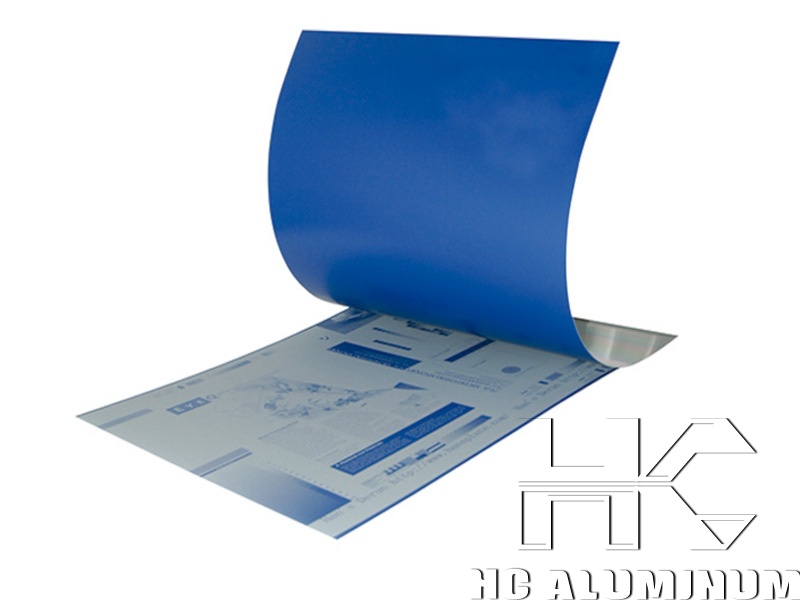
The third requirement is run length. Newspaper applications usually do not require the extreme durability of heat-treated commercial plates, but the plate still needs to survive abrasive paper fibers and long coldset runs. Depending on press condition, fountain solution, ink quality, and paper dust, a quality Positive CTCP Plate can typically support the run lengths required for daily and weekly newspaper production without baking.
Practical Plate Specifications Buyers Should Check
When evaluating CTCP plates for newspaper printing, do not look only at price. Plate thickness, coating uniformity, sensitivity, developer tolerance, and packaging quality all influence total cost. Common gauges include 0.20 mm, 0.24 mm, 0.28 mm, and 0.30 mm. Smaller presses may prefer thinner plates for easier handling, while high-speed or wider web presses often choose thicker plates for better cylinder fit and register stability.
Dot reproduction should be tested under real newspaper screening conditions, not only under a glossy brochure standard. A useful test includes 2 percent, 3 percent, 50 percent, and 95 percent patches, plus fine text and reverse lines. If the plate holds highlights without filling shadows after processing and press start-up, it is more likely to perform reliably in daily production.
A simple but revealing trial is to image plates for two different editions using the same exposure curve, store one plate for several hours after processing, and mount both during a real production window. If both plates print with similar density balance, clean background, and stable register, the plate has the kind of process stability newspaper printers need.
Handling, Storage, and Workflow Discipline
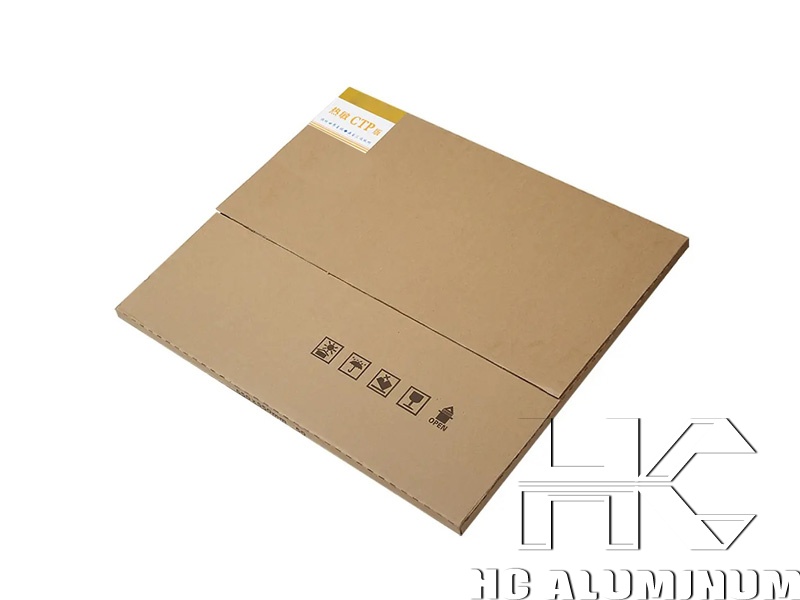
Even a strong plate can be damaged by poor storage. CTCP plates should be kept in their original sealed package, away from direct sunlight, high humidity, acid fumes, and excessive heat. A typical storage environment is 15-30°C with relative humidity around 40-60 percent. Operators should avoid touching the coated surface, bending corners, or leaving plates exposed under unsuitable white light.
In production, keep the processor clean, monitor developer strength, and replace exhausted chemistry before quality drops. Newspaper printers sometimes accept dirty processors as normal because schedules are tight. From my experience, that is where many plate complaints begin. A plate supplier can provide stable material, but the processor is the gatekeeper between the imaging room and the press cylinder.
A Cost Example from a Newspaper Plant
Consider a printer producing four editions per day, with 80 plates per edition. A difference of only USD 0.20 per square meter can become a significant monthly saving, especially when plate consumption is high. Yet if the cheaper plate causes two extra remakes per shift or increases start-up waste by 100 copies per tower, the apparent saving disappears quickly. The best purchasing decision balances plate price with remake rate, press waste, processor stability, and supplier consistency.
This is why serious buyers request trial plates from normal production batches, not hand-picked samples. They test plate-to-plate consistency, package protection, edge quality, coating smoothness, and batch traceability. A dependable manufacturer should be able to discuss sensitivity range, recommended processor conditions, aluminum base quality, and packing methods with technical confidence.
Choosing a CTCP Plate Supplier for Newspaper Printing
For newspaper groups, supply reliability is as important as plate performance. Late delivery can interrupt publishing schedules, while inconsistent batches can disturb carefully calibrated workflows. Look for a supplier with experience in export packaging, moisture-resistant cartons, pallet protection, and clear batch labeling. Technical communication also matters. When a customer reports scumming, weak image, slow clean-up, or poor run length, the supplier should help analyze exposure, developer, fountain solution, ink, press pressure, and storage together.
CTCP plates remain a practical, economical, and technically mature choice for newspaper printing. They are not the newest technology on the market, but in many newspaper plants they are still the most balanced solution: fast enough for daily deadlines, accurate enough for readable images and text, economical enough for high plate consumption, and robust enough for demanding coldset web offset production. When these controls are respected, CTCP plates help the pressroom do what newspaper printing has always required: produce clear pages, on time, night after night.
PRODUCTS
ONLINE CONSULTATION
If you have any questions, please contact us and we will contact you as soon as possible.


Leave A Message
If you are interested in our products and want to know more details, please leave a message here, we will reply you as soon as we can.