
News
Newspaper printing is one of the most demanding applications for offset plates. The schedule is unforgiving, the page count can change late in the evening, and the pressroom expects every plate to mount quickly, print cleanly, and hold stable density through long production runs. For this reason, choosing the right CTP plates for newspaper printing is not only a purchasing decision. It is a production-risk decision.
A good newspaper CTP plate must balance three things: fast imaging, consistent dot reproduction, and strong on-press durability. If one of these points is weak, the result may be delayed start-up, excessive waste, unstable color, or premature plate wear. In a newspaper plant, even a small plate-related issue can affect delivery time.
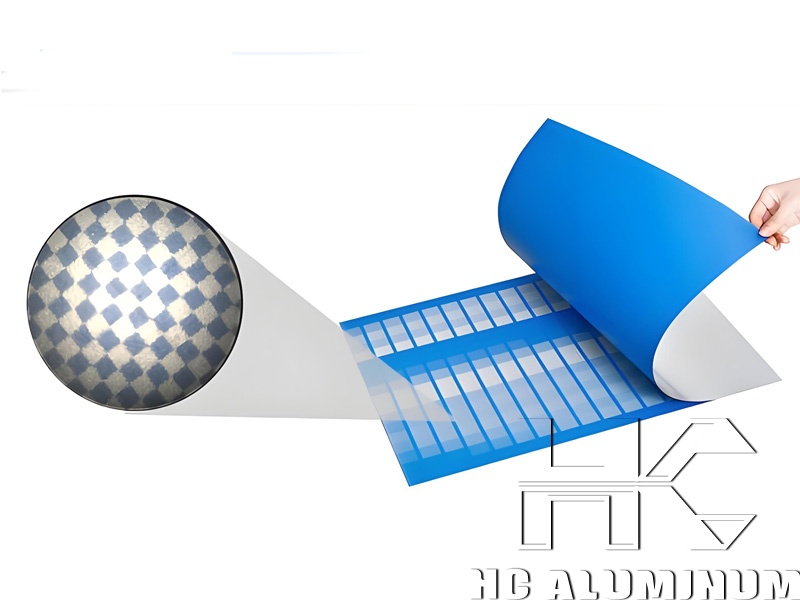
Why CTP Plates Matter in Newspaper Production
Computer-to-plate technology removes film from the workflow and transfers digital page data directly to the plate surface. For newspapers, this brings clear advantages: shorter prepress time, fewer manual variables, sharper screening, and better repeatability between editions.
Most newspaper printers look for plates that support high-speed plate setters, stable processing, and fast roll-up on press. In practical terms, the plate should image accurately at the required laser energy, develop cleanly, and reach a stable ink-water balance within a short number of sheets. When production starts at midnight and delivery trucks are waiting, these details become very real.
For modern newspaper offset printing, a high-quality Thermal CTP Plate is often selected because thermal imaging offers excellent stability, strong daylight handling compared with some visible-light systems, and reliable dot reproduction. Thermal plates are especially valued when the printer needs consistent output across multiple plate setters or different shifts.
Key Technical Requirements for Newspaper CTP Plates
1. Fast Imaging Sensitivity
Newspaper plants usually handle many plates in a short production window. A plate with suitable sensitivity helps the platesetter maintain high throughput without sacrificing image quality. For 830 nm thermal systems, the coating must respond predictably to laser exposure. Too low sensitivity may slow production; too high sensitivity without stability may increase the risk of handling issues.
A useful example is a daily newspaper producing 48 pages with several regional versions. If each edition requires frequent plate changes, plate imaging speed directly affects the deadline. A stable, sensitive CTP plate allows the prepress team to output plates continuously instead of adjusting exposure repeatedly.
2. Accurate Dot Reproduction
Newspaper images are often printed on absorbent newsprint, where dot gain is naturally higher than on coated paper. The plate must therefore reproduce fine dots accurately before the press even begins. Clean highlight dots, stable midtones, and strong shadow definition give the printer more control when compensating for paper and ink behavior.
For example, if a 2 percent highlight dot is weak or unstable on the plate, facial tones and light backgrounds may appear flat or broken on newsprint. A consistent CTP coating helps maintain tonal range, especially when FM screening or hybrid screening is used.
3. Strong Run Length and Wear Resistance
Many newspaper jobs are short to medium runs, but large metropolitan titles, inserts, supplements, and commercial newspaper work may require higher durability. Plate wear can show as fading text, broken lines, or weak solids. The right plate should resist abrasion from paper fibers, fountain solution, and repeated contact with the blanket.
For longer newspaper runs or more aggressive press conditions, a Double Layer CTP Plate can be a smart choice. Its coating structure is designed to improve press latitude and durability, helping printers reduce the risk of plate failure during extended production.
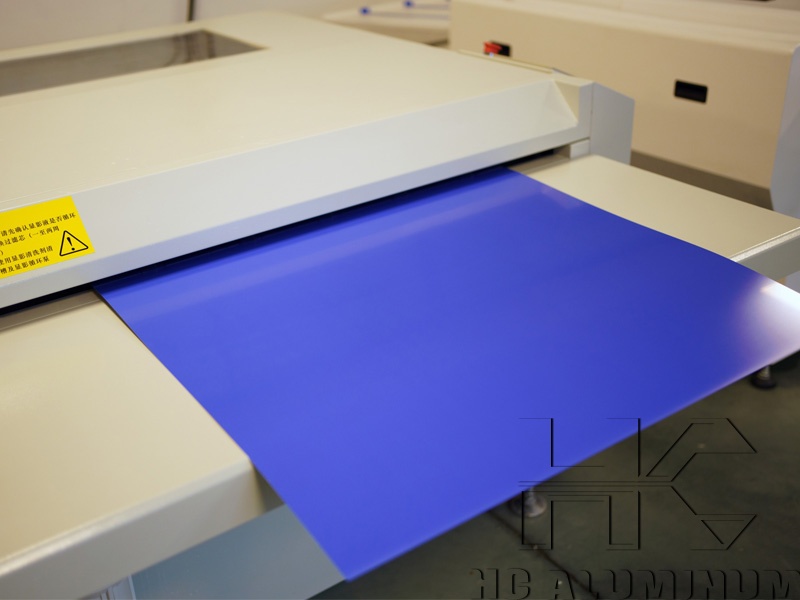
Single-Layer or Double-Layer: Which Is Better for Newspapers?
Single-layer CTP plates are widely used in newspaper printing because they offer economical performance, simple processing, and good speed. They are suitable for regular daily editions, standard page counts, and stable press conditions.
Double-layer plates are often preferred when the printer needs broader operating latitude. They may provide better chemical resistance, improved image contrast, and stronger performance under longer runs. In my experience, the choice should not be based only on price per square meter. It should be based on total production cost: start-up waste, plate remakes, press downtime, and consistency between shifts.
A small saving on plate cost can disappear quickly if the press wastes an extra 200 to 300 copies per form because the plate needs more time to stabilize. For newspaper printers, reliability is a form of economy.
Processing Stability and Chemistry Control
Although process-free plates are gaining attention, many newspaper facilities still use processed CTP plates because they are familiar, predictable, and compatible with existing workflows. In this case, developer condition is critical. Conductivity, temperature, replenishment rate, and processor cleanliness all influence plate performance.
A well-made CTP plate should have good development latitude. This means it can tolerate normal variations in processor condition without losing image sharpness or background cleanliness. However, no plate can compensate for neglected chemistry indefinitely. Regular processor maintenance, correct gum application, and clean rollers are essential for repeatable results.
One practical recommendation is to track plate performance together with processor data. If background toning appears every Thursday, the problem may not be the plate. It may be developer exhaustion after several high-volume production nights.
Handling, Storage, and Packaging for Export Customers
Newspaper CTP plates are precision materials. The aluminum base, electrochemical graining, anodizing layer, and photosensitive coating must remain stable from factory to pressroom. During export shipping, packaging becomes part of product quality.
Plates should be packed to prevent moisture, edge damage, and coating scratches. Storage conditions should be cool, dry, and away from direct sunlight or chemical vapors. In most printing plants, plates are best kept in their original packaging until use, then allowed to acclimatize if there is a large temperature difference between warehouse and prepress room.
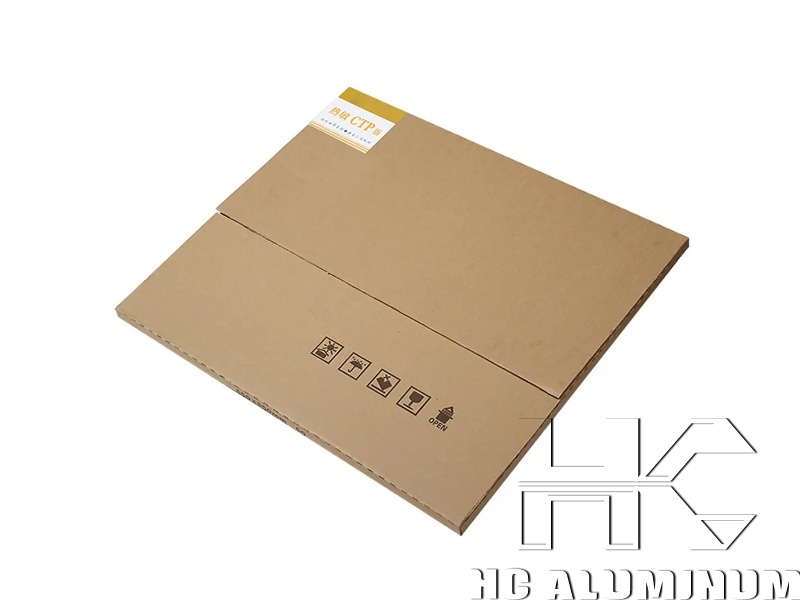
For overseas buyers, consistent pallet strength, moisture-proof wrapping, clear labels, and batch traceability are important. If a printer operates several plants, batch consistency helps keep exposure and processing settings uniform across locations.
What Buyers Should Check Before Ordering
Before selecting CTP plates for newspaper printing, buyers should confirm the platesetter model, laser wavelength, plate size, gauge, punching system, processor type, expected run length, fountain solution, and paper grade. Plate thickness is commonly selected according to press requirements, with 0.20 mm, 0.24 mm, and 0.30 mm being typical options in different markets and machines.
A meaningful trial should include more than one clean test page. It should test real newspaper conditions: text-heavy pages, screened photos, solid areas, fast plate output, normal press speed, and actual newsprint. The best plate is not the one that looks good only in a laboratory strip. It is the one that performs calmly during a busy production night.
A Practical View from Plate Manufacturing
From a manufacturer's point of view, the most valuable newspaper CTP plate is not simply the hardest plate or the fastest plate. It is the plate with balanced performance. The coating must image efficiently, develop cleanly, resist press wear, and remain stable during storage and transport. The aluminum substrate must have uniform surface treatment so that water retention and ink acceptance behave predictably.
For newspaper clients, I usually suggest evaluating plates through three questions. Does the plate reduce uncertainty in prepress? Does it start quickly on press? Does it remain consistent across batches? If the answer is yes, the plate can support faster production, lower waste, and more dependable newspaper delivery.
CTP plates for newspaper printing are a technical consumable, but they play a strategic role in daily publishing. A reliable plate protects the production schedule, supports sharp editorial content, and helps printers meet deadlines with confidence.
PRODUCTS
ONLINE CONSULTATION
If you have any questions, please contact us and we will contact you as soon as possible.


Leave A Message
If you are interested in our products and want to know more details, please leave a message here, we will reply you as soon as we can.