
News
The processless thermal CTP plate has moved from being a niche option to becoming a serious production tool for modern offset printers. For printers facing pressure from rising labor costs, stricter environmental requirements, shorter turnaround times, and increasingly frequent job changes, plate technology matters more than ever. In my view, the value of a processless thermal plate is not simply that it removes a processor. Its real advantage is that it reshapes the entire plate-making workflow into something leaner, cleaner, and easier to control.
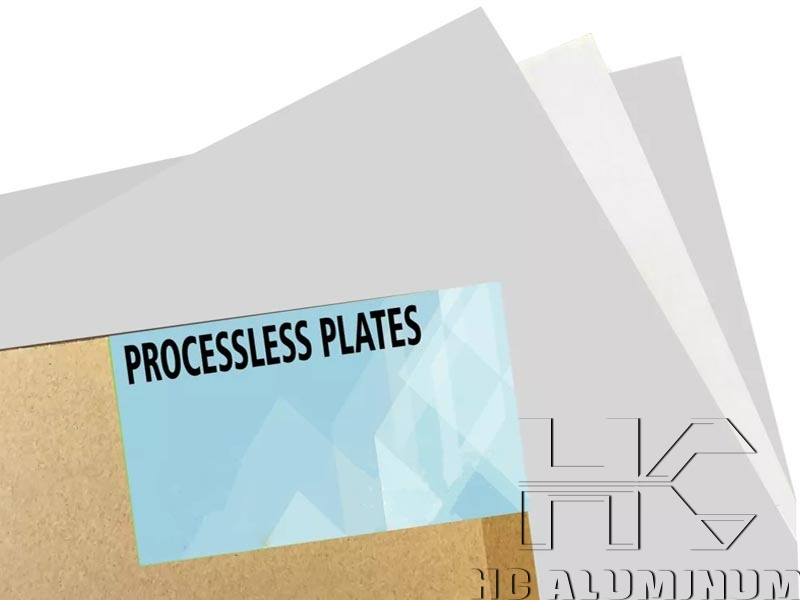
Traditional prepress workflows depend on imaging, processing, rinsing, gumming, drying, and careful chemistry management. Every one of those steps adds variables. Processing temperature can drift. Chemistry activity can weaken. Roller conditions can change. Maintenance can be delayed. When one of these details moves out of range, plate quality becomes less predictable. A processless thermal CTP plate addresses this problem at the source: after thermal imaging, the plate goes directly to press, where the non-image coating is removed during startup and the image area becomes fully functional for printing.
That sounds simple, but the production impact is significant. A printer no longer needs a dedicated plate processor, developer replenishment, wastewater handling, or frequent processor cleaning. This reduces not only equipment investment, but also the hidden costs that experienced print managers understand very well: downtime, operator intervention, chemistry inventory, disposal compliance, and process instability.
What Makes a Processless Thermal CTP Plate Different
A processless thermal CTP plate is designed for thermal imaging systems, typically at 830 nm. The coating is engineered to respond precisely to laser energy. After exposure, the imaged plate does not require conventional wet processing. Instead, the fountain solution and ink on press help remove or neutralize the non-image layer during the first revolutions, while the image area remains durable and ink receptive.
This is why processless plates are often discussed alongside chemistry-free and wash-free technologies, but they are not always identical in practical use. Some products still involve a minimal clean-out stage, while a true processless thermal plate is intended for direct-to-press operation. For buyers comparing options, this distinction is worth checking in the technical specification rather than relying only on marketing language.
Printers evaluating Processless CTP Plates usually focus on three technical questions:
Is imaging sensitivity stable across different setters?
How quickly does the plate clean up on press?
Can it maintain sufficient run length for the target application?
These are the right questions, because plate performance is never defined by one feature alone. It is the balance of sensitivity, latitude, press clean-out, dot retention, and run durability that determines whether a plate will be truly productive.
Real Production Benefits for Commercial Printers
For a medium-sized commercial printer running brochures, manuals, inserts, and short-to-medium run packaging work, processless thermal CTP plates can create value in several ways.
1. Faster workflow with fewer bottlenecks
Without processing equipment, prepress becomes more direct. Imaging output can move to press immediately. This is especially useful in jobs with multiple versions, late file changes, or urgent reruns. A plate remake becomes less disruptive because there are fewer steps between RIP and press.
2. Lower operating cost
A processor-free workflow eliminates developer, replenisher, water consumption related to processing, spare processor parts, and chemistry disposal. Buyers sometimes focus only on plate unit price, but the more rigorous analysis is total plate-room cost per square meter of usable output.
3. Improved environmental profile
No developer means a cleaner production environment and easier regulatory management. This has become more important for print groups that report sustainability metrics to brand clients or parent companies. When a pressroom can reduce chemical handling without sacrificing print quality, that is a commercially meaningful benefit, not just a marketing message.
4. More consistent output
In a processed plate workflow, operator skill and processor condition strongly influence plate quality. A processless thermal CTP plate removes that dependency. The simplified workflow reduces variability, which is valuable for printers trying to standardize color reproduction across shifts or production sites.
Typical Applications and Practical Expectations
Processless thermal plates are widely used in commercial sheetfed printing, book printing, newspaper segments, and selected packaging applications where run length and resistance match the job profile. They are particularly effective where fast plate turnover and operational simplicity are priorities.
A typical example would be a commercial printer producing 5,000 to 30,000 impression jobs on a 4-color sheetfed press. In such an environment, the plate must image reliably, clean up quickly, and maintain sharp halftone reproduction throughout the run. A good processless thermal plate can do this while reducing plate-room complexity.
Another example is a printer with multiple short-run jobs per day. In that case, reducing setup friction matters more than maximizing extreme run length. If ten small jobs are scheduled in one shift, eliminating processing steps can save meaningful time and improve schedule discipline.
That said, professional selection requires realism. If a customer is running highly abrasive substrates, aggressive UV conditions, or exceptionally long runs, the plate specification must be reviewed carefully. The best plate choice depends on the actual press condition, ink system, fountain chemistry, and production target.
Key Technical Points Buyers Should Evaluate
When selecting from different Processless Printing Plates, I recommend paying attention to the following criteria:
Imaging compatibility
Confirm compatibility with your thermal platesetter model, laser power range, and workflow settings. A plate that performs well in one CTP device may require optimization in another.
Press clean-out behavior
A high-quality processless thermal CTP plate should clean out rapidly with minimal waste sheets. Slow clean-out increases startup cost and frustrates operators.
Resolution and dot reproduction
Fine highlight control, solid ink density, and stable midtone reproduction remain essential. Plate convenience should never come at the cost of print sharpness.
Run length
Run length must be matched to the application. For many commercial jobs, processless technology easily meets production needs. For demanding runs, ask for validated press data rather than generic claims.
Storage and handling
Like other high-performance offset plates, processless products require proper storage conditions, controlled humidity, and careful handling under recommended safelight or daylight conditions as specified.
Why More Printers Are Switching
The shift toward processless thermal CTP plates is not driven by novelty. It is driven by operational logic. Printers want to simplify production while maintaining quality. They want fewer variables, lower maintenance, cleaner compliance, and faster response to changing job demands. A plate that goes from imaging to press without wet processing fits that direction very well.
From a supplier's perspective, the most meaningful conversations with customers are no longer about whether processless technology is possible. They are about how to optimize it for a specific pressroom. That is where plate quality, coating consistency, aluminum base quality, and technical support make the difference.
For buyers assessing long-term value, the processless thermal CTP plate should be viewed as a production system choice rather than a single consumable. When matched correctly to equipment and application, it can help create a pressroom that is more agile, more stable, and easier to manage day after day.
PRODUCTS
ONLINE CONSULTATION
If you have any questions, please contact us and we will contact you as soon as possible.


Leave A Message
If you are interested in our products and want to know more details, please leave a message here, we will reply you as soon as we can.