
News
For many offset printers, plate selection is not just a materials decision. It directly affects exposure stability, press uptime, dot reproduction, remake rate, and total production cost. That is exactly why positive writing CTCP printing plates remain a dependable choice in commercial printing environments that value predictable quality and efficient operation.
Positive writing CTCP plates are designed for Computer-to-Conventional-Plate workflows. They are imaged by CTCP systems using UV or visible laser exposure, then processed through a developer to create a clean, ink-receptive image area and a hydrophilic non-image area. In practical terms, this technology gives printers an effective bridge between traditional PS plate chemistry and more automated digital plate making.
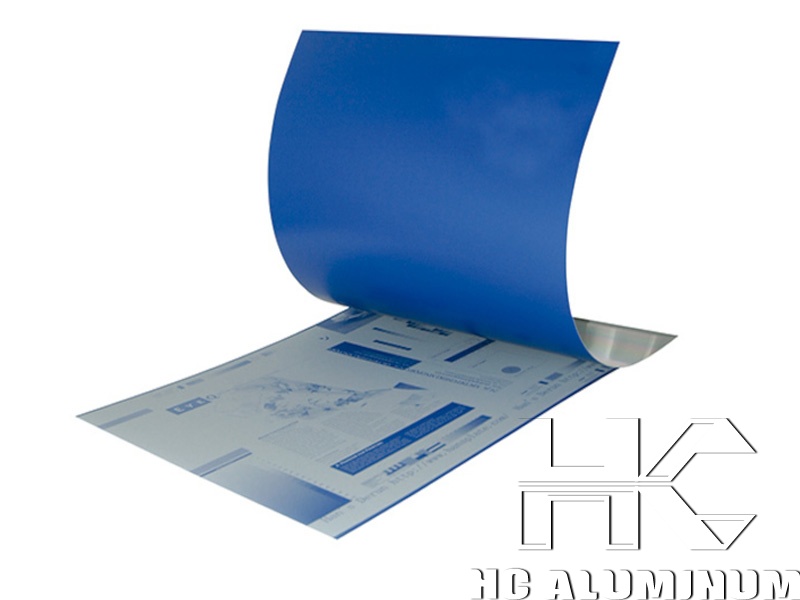
What makes a Positive Writing CTCP Printing Plate different?
A positive writing CTCP plate is built around a high-quality grained and anodized aluminum substrate coated with a photosensitive layer. After exposure, the exposed coating areas become more soluble in the developer and are removed during processing, while the unexposed areas remain to form the printing image. This positive-working mechanism is valued because it is familiar to many printing plants and integrates smoothly into established prepress routines.
From a technical perspective, good positive CTCP plates should deliver several core benefits:
Fast and stable sensitivity under CTCP exposure
Strong dot fidelity from highlights to shadows
Consistent development latitude
Good ink-water balance on press
Sufficient run length for commercial and publication jobs
Reliable resistance to scratches, oxidation, and handling damage
These are not abstract features. They determine whether a printer can hold 2% to 98% dots, reduce toning during long runs, and maintain register and color consistency across repeat jobs.
Why many printers still choose CTCP
The printing industry often talks about fully thermal or process-free workflows, yet CTCP remains highly relevant. The reason is straightforward: it offers a strong balance of equipment investment, operating familiarity, and print performance.
For printers already using UV-CTP or CTCP systems, switching to high-quality Positive CTCP Plate products can improve production consistency without forcing major equipment changes. This matters especially for book printing, textbook production, newspaper inserts, commercial forms, packaging liners, and general sheetfed work where cost control is always under pressure.
A well-manufactured positive CTCP plate can help printers achieve:
Lower plate remakes caused by unstable exposure or development
Faster startup on press
Cleaner backgrounds with reduced scumming risk
Better tolerance in routine production conditions
Competitive cost per square meter
In real factory conditions, these benefits often outweigh theoretical advantages promised by more expensive alternatives.
Key technical characteristics buyers should evaluate
When potential clients compare positive writing CTCP plates, the discussion should go deeper than price alone. A professional evaluation usually includes the following factors.
1. Aluminum substrate quality
The substrate is the foundation of plate performance. High-grade aluminum with uniform electrochemical graining and anodizing provides the right surface roughness, water retention, and coating adhesion. If the substrate is inconsistent, press behavior becomes inconsistent as well.
2. Coating uniformity
A stable coating layer supports even exposure and clean development. Uneven coating can cause weak dots, dirty background, and poor latitude. This is especially visible in fine text, screens, and high-coverage image areas.
3. Spectral sensitivity
Positive writing CTCP plates should match the wavelength characteristics of the imaging device. Reliable spectral response improves exposure speed and reduces the risk of underexposure or overexposure.
4. Resolution and dot reproduction
Professional buyers typically ask whether the plate can hold FM or conventional AM screening cleanly. In many commercial applications, stable reproduction at 200 lpi or above is a practical benchmark, assuming the processor, exposure system, and press conditions are correctly controlled.
5. Run length and post-bake potential
Some jobs require short and medium runs, while others demand much longer endurance. Positive CTCP plates can often support substantial print runs under proper conditions, and some grades may be suitable for baking when longer life is needed. Actual run length depends on ink aggressiveness, fountain solution, press maintenance, paper quality, and image coverage.
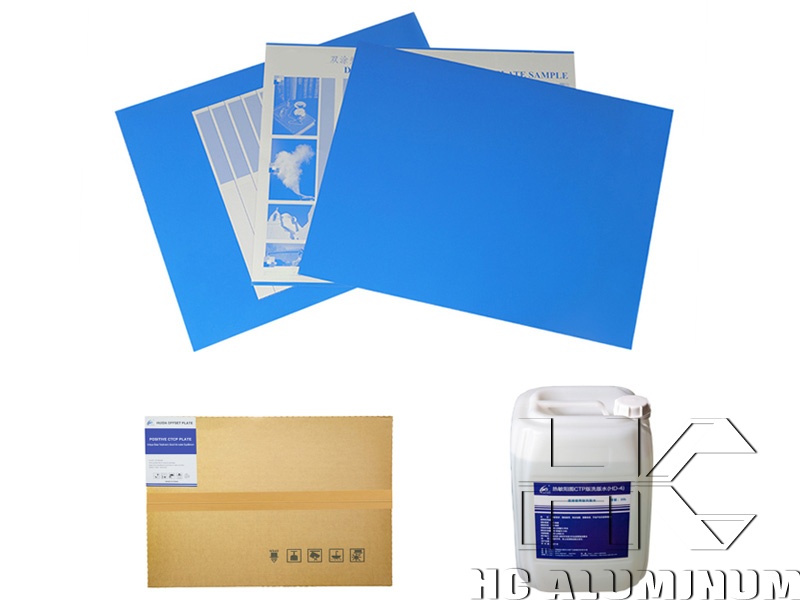
Typical applications in commercial printing
Positive writing CTCP plates are widely used because they are versatile. In our experience, they perform particularly well in:
Textbook and educational printing, where plate consistency matters across repeat editions
Books and magazines, where halftone smoothness and fine type clarity are essential
Advertising leaflets and brochures, where quick turnaround and controlled cost are priorities
Business forms and inserts, where dependable line sharpness is required
General packaging support printing, depending on substrate and press conditions
Consider a simple example. A medium-sized commercial printer running schoolbooks may produce multiple titles with frequent plate changes and strict budget targets. A stable positive CTCP plate allows the prepress team to standardize exposure settings, shorten processor adjustment time, and reduce spoilage at press startup. Over a full season, that can translate into meaningful savings in labor, chemistry, paper waste, and machine time.
Another example is a regional print house producing promotional brochures. Here, image contrast, solid ink density, and dot retention are critical. Plates with strong coating consistency and clean background performance help operators reach target color faster, which improves both output speed and client satisfaction.
Process control matters as much as plate quality
Even the best plate cannot perform well in a poorly controlled workflow. Serious buyers understand that plate performance depends on the interaction between exposure, development, storage, and press conditions.
Best practices include:
Storing plates in a cool, dry environment away from direct light
Allowing plates to acclimatize before use
Maintaining processor temperature, replenishment, and conductivity within specification
Checking exposure calibration regularly
Avoiding rough handling during transport and loading
Monitoring fountain solution pH and conductivity on press
When these controls are in place, premium CTCP Printing Plates show their full value through reduced variability and stronger repeatability.
What importers and distributors should ask a supplier
Potential clients sourcing positive writing CTCP plates internationally should look for more than a competitive quote. A professional supplier should be able to discuss:
Coating type and sensitivity range
Recommended exposure energy and developer conditions
Standard thickness options and dimensional tolerances
Available widths and cut-to-size capability
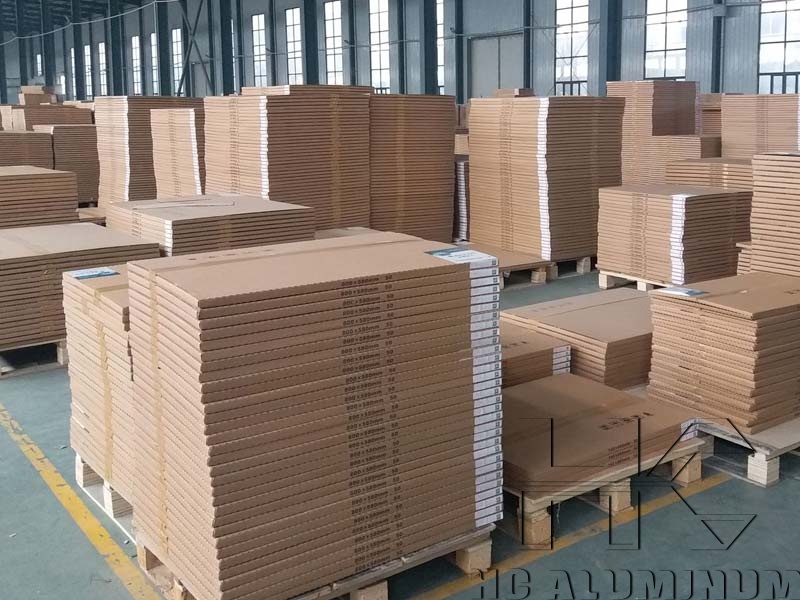
Packaging method for long-distance shipping
Batch consistency and quality inspection procedures
Technical support for trial and approval
This is especially important for distributors serving multiple markets. A plate that performs well in one climate or production setup may require adjusted handling in another. Clear technical communication from the manufacturer reduces trial risk.
A practical material for printers who value control
Positive writing CTCP printing plates continue to hold a strong position because they fit the reality of production printing. They are technically mature, economically sensible, and operationally familiar. When manufactured with a high-quality aluminum base, precise coating control, and reliable batch consistency, they deliver the kind of repeatable performance printers trust.
For buyers evaluating plate supply, the most important question is not simply whether a plate can image. The real question is whether it can image consistently, process cleanly, and run smoothly on press day after day. That is where a professionally made positive writing CTCP plate proves its worth.
For printing companies, importers, and dealers looking for dependable offset materials, positive writing CTCP technology remains a practical and commercially intelligent option.
PRODUCTS
ONLINE CONSULTATION
If you have any questions, please contact us and we will contact you as soon as possible.


Leave A Message
If you are interested in our products and want to know more details, please leave a message here, we will reply you as soon as we can.