
News
PS offset plates remain a dependable choice for printers that value image clarity, press stability, and predictable production costs. Even as digital workflows continue to evolve, PS plates still hold a solid position in commercial printing, packaging inserts, publishing, and general jobbing work because they offer a practical balance of performance, process familiarity, and affordability.
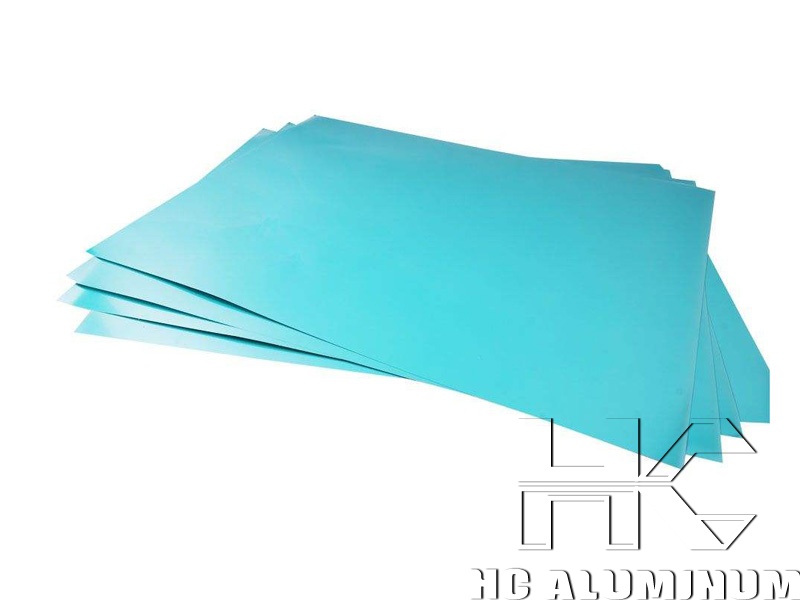
From a printer's perspective, the value of a PS plate is not just that it can carry an image. What matters more is how consistently it accepts exposure, how cleanly it develops, how well it maintains non-image hydrophilicity, and how steadily it performs on press over the full print run. A well-made PS offset plate should deliver sharp halftone dots, strong tonal reproduction, fast ink-water balance, and low background sensitivity.
What Are PS Offset Plates?
PS stands for pre-sensitized. A PS offset plate is an aluminum printing plate coated with a light-sensitive layer. After exposure through film and development in the correct processor chemistry, the image area and non-image area are differentiated so the plate can function on an offset press. In operation, the image area attracts ink while the non-image area attracts fountain solution and repels ink.
This process may sound straightforward, but plate quality has a direct influence on multiple production indicators: startup waste, registration speed, screen fidelity, toning resistance, and run length. For printers handling repeat jobs or brand-sensitive work, these details are not minor. They shape productivity and profitability every day.
Why Many Printers Still Choose PS Offset Plates
One reason PS offset plates remain relevant is process control. Many print shops already have mature film output, exposure frames, and plate processing systems. In such environments, a reliable PS Plate can be integrated smoothly without changing the existing workflow. That means less equipment disruption and easier operator training.
Another advantage is cost discipline. For businesses serving price-sensitive markets such as textbook printing, forms, newspapers in some regions, or local commercial print, PS offset plates can be a very sensible solution. They allow printers to maintain acceptable print quality while keeping plate-making investment manageable.
Technically, a good PS offset plate should offer:
Uniform anodized aluminum grain
Stable coating weight and sensitivity
Strong resolution and dot reproduction
Clean background after development
Good scratch resistance during handling
Reliable run length under proper press conditions
These characteristics are especially important when printing fine text, reverse type, vignettes, and 133-175 lpi screen work.
Key Performance Factors That Buyers Should Evaluate
When potential clients compare PS offset plates, they often focus first on price. Price matters, of course, but plate consistency is usually the more decisive factor over time. A lower-cost plate that causes extra make-ready waste, scumming, or poor development latitude can quietly become more expensive than a higher-quality alternative.
1. Coating Sensitivity and Exposure Latitude
Exposure latitude affects how tolerant the plate is to minor variation in exposure conditions. In real factory environments, not every exposure frame performs identically, and operator habits can differ. Plates with stable sensitivity reduce the risk of underexposure or overexposure defects.
2. Development Behavior
A strong PS offset plate should develop cleanly and predictably. If residues remain after development, the printer may see weak image areas or dirty backgrounds on press. A plate with balanced coating chemistry helps maintain image integrity while reducing processor maintenance issues.
3. Dot Reproduction
For catalogs, magazines, promotional leaflets, and color work, dot retention is critical. If the plate cannot hold small highlight dots or clean shadow structure, the printed image loses depth and detail. This is where a high-grade Positive PS Plate can make a visible difference, especially in jobs requiring smooth tonal transitions and accurate photographic reproduction.
4. Run Length
Run length depends on the plate itself, the ink system, paper abrasiveness, fountain solution control, and press maintenance. Under proper conditions, PS offset plates can support a broad range of commercial print runs. For short and medium runs, they are often more than sufficient. For longer runs, plate hardness, coating durability, and baking compatibility may become more important depending on the application.
Typical Applications of PS Offset Plates
PS offset plates are widely used in:
Commercial brochures and flyers
Book and textbook printing
Manuals and instruction sheets
Letterheads and office stationery
Advertising inserts
Posters and general promotional materials
Consider a practical example. A regional printing house producing school workbooks may run frequent repeat jobs with moderate print quantities. In this case, the printer needs a plate that exposes consistently, develops fast, and reaches color quickly on press. If the plate also minimizes paper waste during startup, the savings accumulate across every batch.
Another example is a commercial printer handling mixed jobs every day. One morning may involve monochrome manuals; the afternoon may shift to two-color marketing sheets. Here, plate stability matters because operators need predictable behavior rather than constant recalibration.
What Makes a High-Quality PS Offset Plate
From a manufacturing standpoint, the base aluminum and surface treatment are fundamental. A properly grained and anodized aluminum substrate improves water retention in non-image areas and supports coating adhesion. This helps the plate maintain cleaner printing behavior and reduces the chance of background toning.
The coating layer is equally critical. It must respond evenly to light, resist premature aging, and maintain storage stability. If coating uniformity is poor, printers may encounter uneven development or inconsistent image strength across the sheet width.
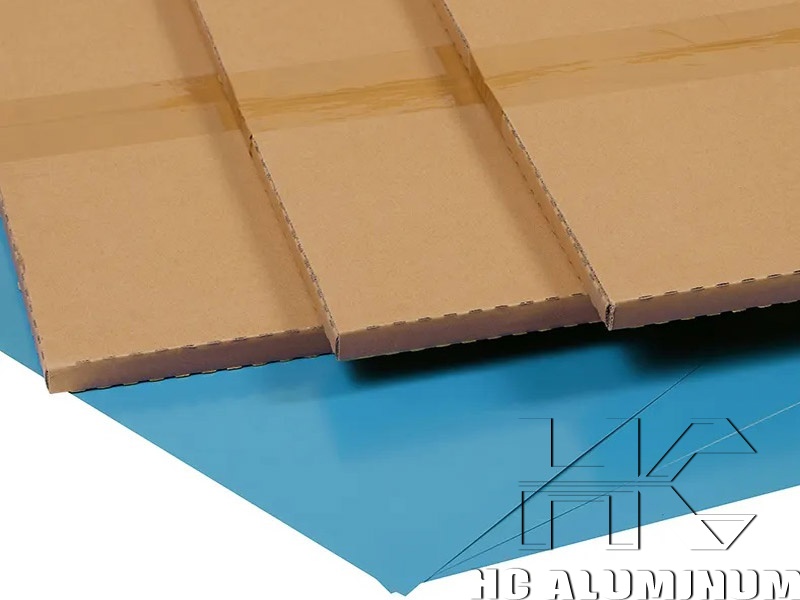
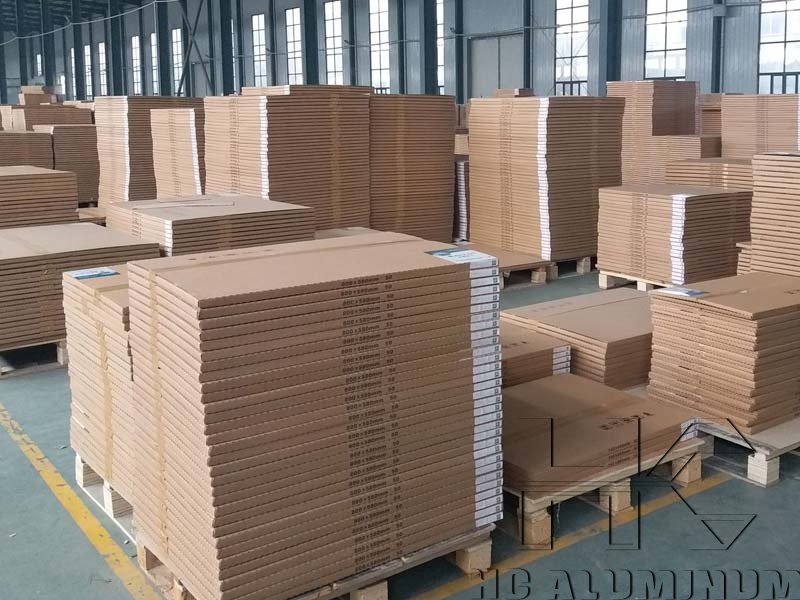
Packaging also deserves attention. Plates are sensitive industrial products, not commodity metal sheets. Moisture protection, light protection, flatness preservation, and safe transportation all influence whether the plate arrives ready for production.
Buying Advice for Potential Clients
When sourcing PS offset plates, clients should ask practical technical questions rather than relying only on promotional claims:
What is the recommended exposure energy range?
What developer chemistry is compatible?
What run length can be expected under standard conditions?
How stable is the plate during storage and transport?
Is the plate optimized for fine line work and halftones?
What thickness options are available for different press formats?
It is also wise to request trial material before full adoption. A proper test should evaluate exposure latitude, processor behavior, press startup speed, background cleanliness, and printed dot quality. This gives the buyer real production data instead of assumptions.
For distributors and print factories, supplier consistency is often just as important as plate specification. Reliable batch-to-batch quality reduces troubleshooting time and protects customer delivery schedules. In printing, consistency is not a marketing slogan; it is an operational requirement.
A Practical Choice for Reliable Offset Production
PS offset plates continue to serve printers that need stable imaging performance, proven processing technology, and sensible overall cost. When manufactured with high-quality aluminum, controlled graining and anodizing, and a dependable photosensitive coating, these plates provide the kind of repeatable results that professional print production depends on.
For buyers evaluating suppliers, the best decision usually comes from balancing price with process reliability, image quality, and technical support. A strong PS offset plate should not merely work in theory. It should run smoothly in the pressroom, reduce avoidable waste, and help printers deliver clean, professional output job after job.
PRODUCTS
ONLINE CONSULTATION
If you have any questions, please contact us and we will contact you as soon as possible.


Leave A Message
If you are interested in our products and want to know more details, please leave a message here, we will reply you as soon as we can.