
News
In commercial offset printing, plate performance is never an isolated technical detail. It influences makeready time, dot fidelity, color consistency, press uptime, and the overall economics of every job on the schedule. That is exactly why many printers continue to rely on positive CTCP double layer plates when they need a practical balance of imaging latitude, press durability, and dependable production behavior.
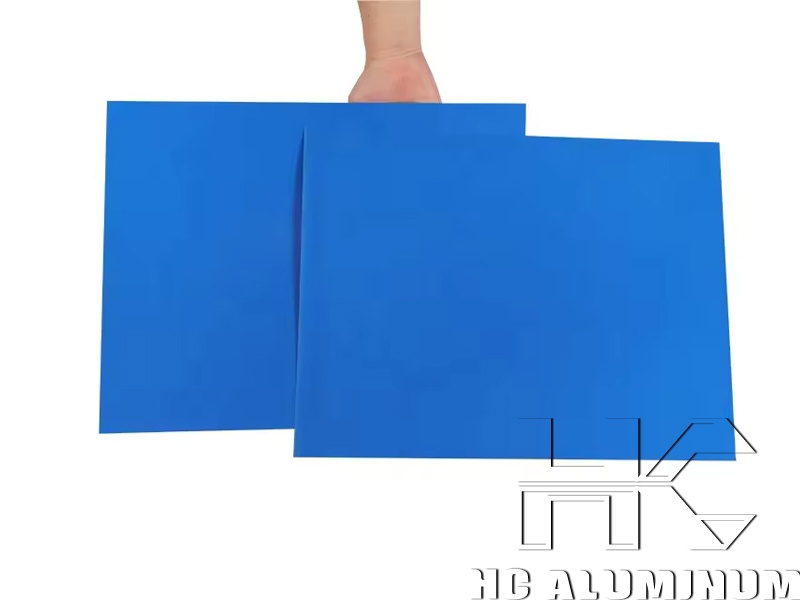
From my perspective, the strongest value of a positive double-layer CTCP plate is not just that it images well under conventional thermal exposure systems. Its real advantage is that it stays predictable when production conditions are less than perfect. In a real pressroom, temperature shifts, developer activity changes, fountain solution variation, and rushed plate handling are common. A robust plate must tolerate these realities without sacrificing image quality. Positive CTCP Double Layer Plates are designed precisely for that environment.
What Makes a Positive CTCP Double Layer Plate Different
A positive CTCP plate is imaged so that the exposed coating areas are removed during processing, leaving the image areas to accept ink and the non-image areas to retain water. In a double-layer construction, the coating system is engineered with two functional layers rather than a simpler single coating structure. This design gives the plate improved imaging sensitivity, stronger anti-interference capability, and more stable development performance.
Compared with a standard single-layer option, a Double Layer CTCP Plate typically provides better tonal reproduction and wider process tolerance. That matters for printers producing fine text, screens, gradients, and brand colors where even minor instability can become visible on the final sheet.
The aluminum substrate is also critical. High-quality graining and anodizing create a clean hydrophilic base that supports consistent water retention in non-image areas and strong coating adhesion in image areas. When substrate treatment and double-layer coating are matched correctly, the result is a plate that starts cleanly, carries ink evenly, and resists premature wear.
Key Performance Advantages for Printing Companies
1. Stronger imaging stability
Positive CTCP Double Layer Plates are known for clear dot formation and reliable laser response. For printers running catalogs, textbooks, manuals, packaging inserts, or advertising sheets, this translates into sharper highlights, smoother midtones, and more controlled solid density. Fine linework and small reverse text are especially sensitive to plate quality, so imaging stability is not a luxury feature; it is a production necessity.
2. Better development latitude
One issue many printers face is fluctuation in processor chemistry. A plate with narrow development latitude can quickly show scumming, weak dots, or incomplete clean-out. Double-layer plates tend to be more forgiving, helping the processor maintain usable output over a wider operating window. This improves consistency across shifts and reduces the frequency of avoidable plate remakes.
3. Reliable press life
Press durability is a major economic factor. When a plate wears too early, printers lose time, paper, ink, and schedule flexibility. Positive CTCP Double Layer Plates are typically developed for medium to long press runs, depending on press conditions, ink system, stock type, and whether baking is used. For many commercial jobs, that means a single plate set can complete the run with dependable image retention and low background toning.
4. Faster ink-water balance
A stable non-image area helps the press reach balance quickly. In practical terms, operators often see cleaner startup sheets and less effort spent correcting emulsification or background contamination. This is particularly valuable in multi-color work where each minute of adjustment affects total throughput.
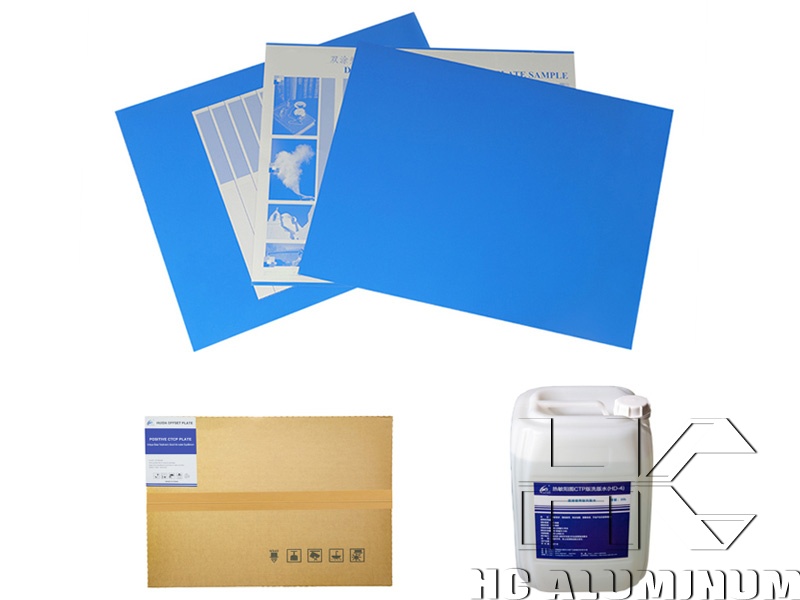
Where Positive CTCP Double Layer Plates Perform Best
These plates are widely used in sheetfed commercial printing and can also serve selected web offset applications where consistent image transfer and run length are important. They are especially suitable for:
Books and educational printing
Magazines and periodicals
Brochures and corporate literature
Leaflets and promotional materials
Forms, manuals, and business documents
Mid- to long-run commercial jobs
For printers comparing product structures, it is useful to review broader CTCP Printing Plates options based on run length, processor conditions, and image complexity rather than price alone.
A Practical Example from the Pressroom
Imagine a commercial printer handling a 4-color textbook job with 120 lpi to 175 lpi screens, fine black text, and repeated reruns over the school season. If the plate has weak coating stability, the printer may encounter inconsistent highlight dots, background sensitivity during longer processor cycles, or visible wear on rerun batches. These issues increase inspection time and can force unscheduled plate replacement.
With a well-manufactured Positive CTCP Double Layer Plate, the printer gains a wider cushion. The plate images cleanly, develops with better repeatability, and maintains stronger dot integrity over the run. Operators spend less time correcting plate-related variables and more time optimizing print quality. In my experience, that operational stability is often more valuable than saving a small amount on plate unit cost.
Technical Factors Buyers Should Evaluate
When sourcing Positive CTCP Double Layer Plates, serious buyers should look beyond the basic specification sheet. A technically sound evaluation usually includes the following:
Coating uniformity
Uniform coating thickness supports even exposure and development. Poor uniformity can lead to tonal inconsistency across the plate.
Spectral sensitivity and exposure compatibility
The plate should match the output characteristics of the CTCP system in use. Stable sensitivity helps avoid underexposure or overexposure issues that affect dot reproduction.
Resolution and screen performance
Ask about the plate's behavior in highlights, microtext, and fine ruling conditions. Plates that hold small dots more reliably are often the better long-term production choice.
Developer compatibility
A plate should perform consistently with standard processing chemistry and realistic processor maintenance conditions. This is essential for plants running high daily throughput.
Run length expectations
Run length claims should be considered together with paper abrasiveness, ink aggressiveness, press speed, and cleaning frequency. A responsible supplier will discuss realistic rather than inflated figures.
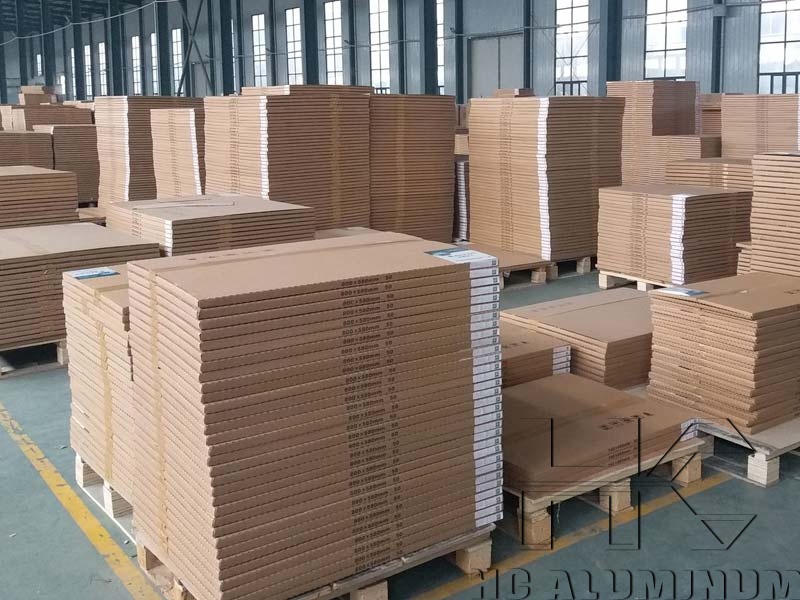
Packaging and transport protection
Good plates can still fail if packing is weak. Moisture resistance, edge protection, and clean interleaving matter, especially for export shipments and long-distance distribution.
Why Double Layer Structure Matters Commercially
Some buyers initially view double-layer plates as simply an upgraded version of single-layer products. I would frame it differently. The double-layer structure is a strategic choice for printers who want stronger process control. It helps reduce variability between plate batches, operators, and job types. That means fewer surprises on press, more predictable quality, and lower hidden waste.
This matters even more today because print buyers expect sharper images, tighter color consistency, and competitive lead times. The plate must support that expectation without adding operational complexity. Positive CTCP Double Layer Plates do this well because they combine familiar positive-working process behavior with a more robust coating design.
Choosing the Right Supplier
The plate itself is only part of the equation. The supplier should also offer stable batch quality, traceable production control, responsive technical communication, and practical export experience. For distributors and printing houses, this reduces procurement risk. For OEM and private-label partners, it creates a stronger foundation for long-term market development.
A dependable manufacturer should be able to discuss coating formulation logic, substrate selection, recommended exposure range, development conditions, storage requirements, and actual application feedback from commercial printing environments. That level of technical transparency is often the clearest sign that the product is built for real pressroom performance rather than just catalog presentation.
For printers seeking a dependable solution between imaging precision and production economy, Positive CTCP Double Layer Plates remain one of the most sensible choices in conventional CTCP workflows. When manufactured with high-quality aluminum, stable double-layer coating, and disciplined quality control, they deliver what pressrooms value most: clean imaging, steady development, long-lasting printability, and confidence on press.
PRODUCTS
ONLINE CONSULTATION
If you have any questions, please contact us and we will contact you as soon as possible.


Leave A Message
If you are interested in our products and want to know more details, please leave a message here, we will reply you as soon as we can.