
News
Positive writing CTCP plates sit in a very productive sweet spot for commercial offset printers who want the stability of computer-to-conventional plate workflows without giving up sharp imaging, predictable processing, and strong press performance. When I talk to pressrooms running mixed jobs (catalogs, packaging inserts, textbooks, leaflets, long-run forms), what they value most is not a theoretical specification, but repeatability: stable dot gain, smooth highlights, resistant shadows, and a plate that behaves the same way shift after shift.
A positive writing CTCP plate is designed to be imaged by CTCP violet lasers (commonly 405 nm). The exposed areas become more soluble in developer, creating the image after processing. This positive-working chemistry has a long track record in offset because it's intuitive to control, easy to diagnose, and forgiving when your production reality includes different operators, changing water quality, and varying job mixes.
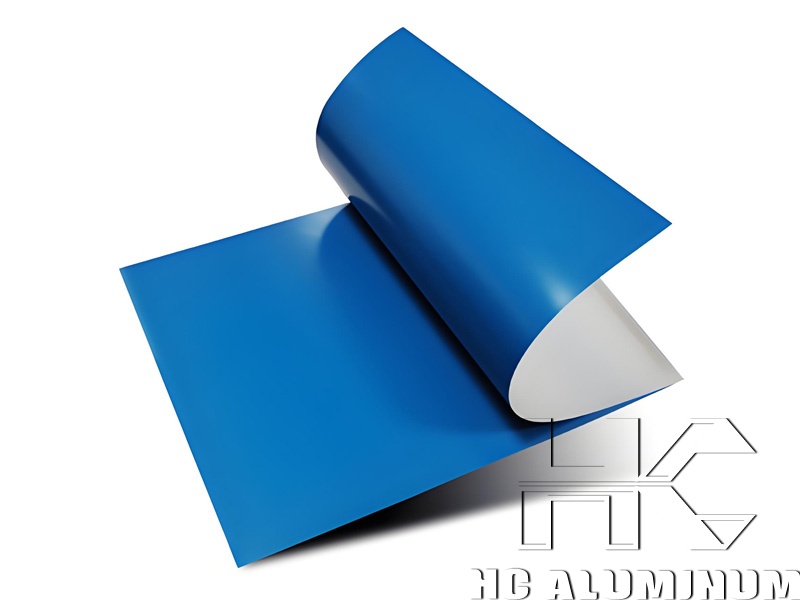
What "positive writing" means in CTCP-without the marketing fog
In positive writing systems, the plate's coating is formulated so that laser exposure changes the solubility of the coating in the developer. During processing, the exposed areas are removed, revealing the hydrophilic aluminum surface (non-image area). The unexposed coating remains as the oleophilic image area that accepts ink.
Why this matters to a printer is simple: the plate is built around controlled dissolution during development. That gives you a wide operational window and makes quality control tangible. If there is toning, underdevelopment, or scumming, you can usually trace it back to measurable causes like developer activity, temperature, brush pressure, or plate handling.
Where Positive Writing CTCP Plates shine in production
1) Crisp dots and stable tonal reproduction
Positive writing CTCP plates are widely chosen for work requiring consistent dot integrity across different screen rulings. Printers often report confidence in maintaining highlight dots and smooth gradients, especially when the processor is maintained and replenishment is stable.
Illustrative example:
A commercial printer running 175 lpi brochures needs clean 2–3% highlights without filling in midtones.
With a stable positive CTCP workflow, they can lock in exposure, maintain developer strength, and keep highlight reproduction consistent across multiple plate batches.
2) Predictable processing in conventional plate rooms
If your plant has an established processor discipline (daily conductivity checks, scheduled filter changes, proper gum, controlled rinse), positive CTCP fits naturally. Many operations prefer this because it scales: you can add capacity by adding processors and keep the workflow familiar.
3) Robust press run capability for general commercial work
A well-made positive CTCP plate typically balances sensitivity with coating strength. In practice, that can translate into dependable run lengths for common sheetfed and heatset web jobs, assuming correct fountain solution management and non-abrasive press conditions.
If you are comparing options, it's worth viewing the plate not as a "consumable," but as a process component. A plate that images easily but has narrow development latitude costs you downtime. Positive writing CTCP is often selected precisely because it reduces the risk of unpredictable plate behavior.
Key specifications decision-makers actually use
When procurement or production managers evaluate positive writing CTCP plates, these are the parameters that usually connect directly to business results:
Spectral sensitivity (405 nm): Determines compatibility with your CTCP platesetter and helps set imaging energy targets.
Resolution and dot quality: Impacts fine text, micro-lines, and gradient smoothness.
Development latitude: How tolerant the plate is to small shifts in developer activity and temperature.
Ink receptivity and background cleanliness: Affects start-up waste and the ability to keep non-image areas clean.
Scratch resistance and handling tolerance: Important when plates are moved between departments or stored longer.
Shelf life and storage stability: Matters for exporters, distributors, and plants that buy in bulk.
On our product pages, you can compare options under Positive CTCP Plate and also explore the broader category of CTCP Plates based on your workflow and job profile.
Imaging and processing: how to get the best plate performance
A positive writing CTCP plate rewards disciplined control. The good news is that the controls are practical and measurable.
Imaging setup tips
Calibrate laser power and focus: Underexposure can cause weak image areas and poor development separation. Overexposure can reduce fine highlight stability.
Use a repeatable linearization curve: The plate may be capable of high resolution, but your RIP curve is what makes the dots land correctly on paper.
Keep plates clean before imaging: Fingerprints and dust can become visible defects, especially in solid areas.
Processor control tips
Developer activity: Monitor conductivity (or titration, depending on chemistry). "Looks fine" is not a metric.
Temperature stability: Small shifts can affect development rate and lead to toning or loss of highlight dots.
Brush and roller condition: Worn brushes can cause uneven development; excessive pressure can damage the coating.
Rinse and gum: Proper rinsing reduces chemical carryover, and correct gumming protects the non-image area and improves plate storage.
Illustrative example:
A sheetfed printer sees intermittent background tint on 4-color jobs.
They confirm exposure is consistent, then find developer conductivity has drifted low and the brush is glazed.
Restoring developer activity and servicing the brush stabilizes clean backgrounds and reduces start-up sheets.
Real-world applications: where clients commonly choose positive CTCP
Commercial printing
For brochures, magazines, and catalogs, positive writing CTCP plates are valued for predictable tone reproduction and reliable processing. When a pressroom runs multiple paper types and ink sets, the ability to keep plate behavior consistent simplifies troubleshooting.
Education and textbook production
Long-form text and fine lines demand crisp imaging and stable non-image cleanliness. Positive CTCP workflows, when maintained properly, help keep text edges sharp and backgrounds clean through extended production cycles.
General packaging inserts and leaflets
Many insert jobs involve solid areas plus fine type. A stable positive plate helps maintain solid ink density while avoiding scumming in non-image areas-especially important when turnaround time is tight and waste must be controlled.
How to select the right positive writing CTCP plate for your shop
If you want a selection method that works, start from your bottleneck:
If your bottleneck is startup waste, prioritize fast ink acceptance, clean backgrounds, and stable processing.
If your bottleneck is detail reproduction, prioritize resolution, highlight dot stability, and consistent imaging energy.
If your bottleneck is downtime, prioritize development latitude and robust handling tolerance.
Then validate with a short press trial using your real jobs (not a perfect lab target): one heavy-solid job, one fine-screen job, and one mixed-content job. The best plate is the one that reduces operator intervention while keeping your print predictable.
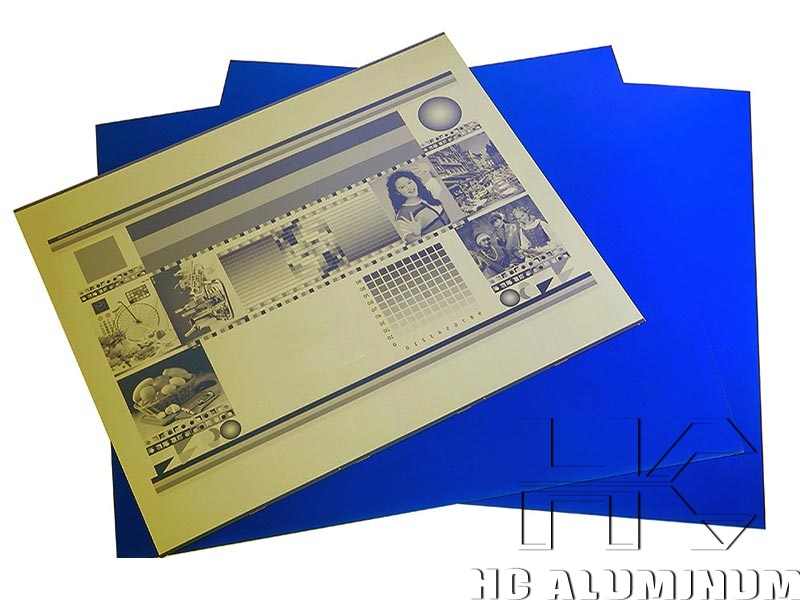
Positive writing CTCP plates are not about chasing a single headline spec; they're about building a printing routine you can trust. When imaging, processing, and storage are aligned, the plate becomes a stable foundation-one that supports consistent color, clean backgrounds, and dependable throughput across the kinds of jobs that keep a commercial pressroom profitable.
PRODUCTS
ONLINE CONSULTATION
If you have any questions, please contact us and we will contact you as soon as possible.


Leave A Message
If you are interested in our products and want to know more details, please leave a message here, we will reply you as soon as we can.