
News
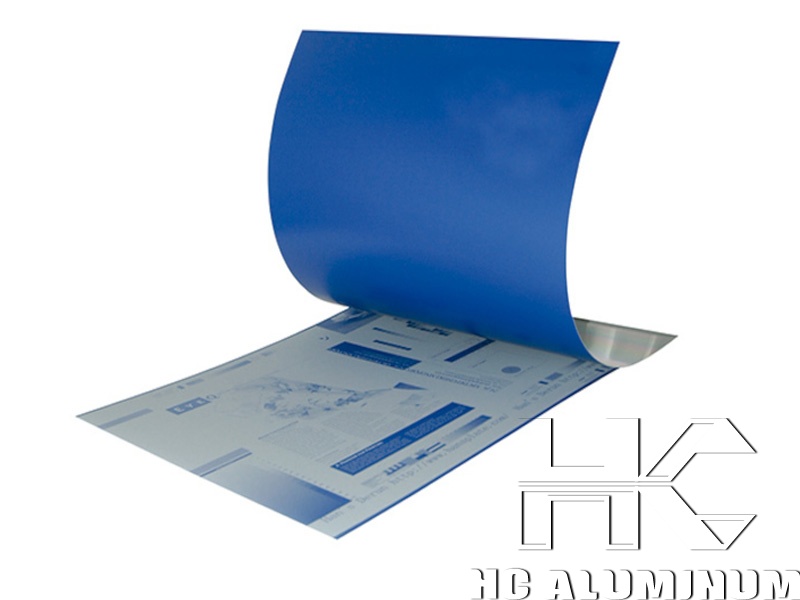
Positive CTCP printing plates sit in a practical sweet spot for commercial offset: they deliver crisp reproduction, dependable press behavior, and a workflow that remains familiar to teams coming from PS plates, while benefiting from the consistency of computer-to-plate imaging. When I discuss CTCP with printers, I avoid hype and focus on what matters on press: dot stability, clean backgrounds, predictable development, and plates that tolerate real-world handling.
What "Positive CTCP" Means in Day-to-Day Production
"CTCP" typically refers to plates imaged by violet laser around 405 nm. "Positive" indicates the plate behaves like a positive-working system: after exposure, the imaged (exposed) coating is removed during processing, revealing the hydrophilic aluminum base in non-image areas. The unexposed coating remains to form the ink-receptive image.
That small definition translates into a very concrete advantage: operators can often apply the same thinking they use for positive PS plates (highlight detail, small text, trapping behavior) while enjoying the digital precision of CTP imaging.
For customers evaluating Positive CTCP Plate options, the key is not simply "can it image," but "can it stay stable across shifts, operators, and press conditions." A well-made positive CTCP plate should deliver that stability without demanding exotic chemistry or unusually tight tolerances.
Where Positive CTCP Printing Plates Fit Best
Positive CTCP plates are widely used in:
Commercial printing: brochures, catalogs, book covers, and general jobbing where consistent halftone reproduction matters.
Newspapers and inserts (depending on plate spec and press conditions): when speed and cost control are critical.
Packaging work that is not extremely abrasive: folding carton jobs can be suitable when run lengths and inks align with the plate's endurance.
If your production emphasizes fast changeovers, mixed job sizes, and predictable results across multiple presses, CTCP can be a strong practical choice.
Image Quality: Dot Fidelity and Clean Non-Image Areas
In offset, the plate is the first place quality can be won or lost. Positive CTCP printing plates are chosen because they can hold fine dots and smooth gradients with a low risk of background toning when processed correctly.
What I look for when judging plate performance:
Microtext and thin lines: clean edges without jaggedness.
2% to 98% dot reproduction (application-dependent): stable highlight dots that do not wash out, and solid shadows that do not fill in.
Low scumming tendency: non-image background stays clean even when fountain solution settings drift slightly.
Illustrative example: catalog skin tones
A 175 lpi catalog job with skin tones and pastel backgrounds will quickly reveal plate weaknesses. If your highlight dots are unstable, faces look "plastic" and gradients band. With a stable positive CTCP plate and correct exposure/development, you get smoother tonal transitions and fewer press adjustments to hold color.
Processing: Familiar Chemistry, Predictable Control
Most positive CTCP plates are designed for conventional developer processing. That is not a drawback; in many plants it is a risk reducer because teams already understand:
Developer activity and replenishment logic
Wash and gum performance
How to diagnose underdevelopment vs overdevelopment
A disciplined processing approach tends to pay back immediately:
Underdevelopment often shows up as residual coating in non-image areas, background tint, or sensitivity to fountain solution.
Overdevelopment can weaken the image coating, reduce run length, and make plates more prone to abrasion.
Practical tip I give operators
If you are troubleshooting, do not change everything at once. Lock down one variable (developer conductivity or temperature, for example), then re-check exposure. Many "plate problems" are actually control problems.
Exposure Latitude: Why It Matters More Than Spec Sheets
Every plate brochure mentions sensitivity and resolution. In production, exposure latitude is often the deciding factor. A plate with comfortable latitude tolerates:
small laser power drift
minor optics contamination
slight differences among platesetters
That means fewer remakes, more predictable proofs-to-press matching, and less operator stress during peak periods.
Illustrative example: multi-shift production
A plant running two or three shifts frequently sees variability in handling, cleaning routines, and processor attention. A positive CTCP plate with good latitude helps keep dot gain and gray balance stable even when the human factor changes.
Run Length and Durability: Matching Plate Choice to the Job
Run length is not just a number; it depends on ink type, paper, fountain solution, press condition, and whether you bake plates. In real terms, durability shows up as:
resistance to image wear on long runs
fewer premature plate changes
stable solids (less density drift)
If you routinely run longer jobs or aggressive inks, discuss with your supplier whether a single-layer or more durable structure is appropriate. For many commercial jobs, standard positive CTCP is plenty; for more demanding work, reinforcement in the coating design can protect your margins.
Workflow and Cost: A Grounded View
Positive CTCP is often selected because it offers a rational balance:
Lower plate cost vs some thermal options
Digital consistency vs analog PS plates
Familiar processing with manageable chemical spend
The cost discussion should include hidden savings:
fewer remakes due to consistent imaging
reduced downtime from plate-related troubleshooting
more predictable color control (less paper waste)
If you are evaluating plate options for a mixed job portfolio, reviewing total cost per good sheet is more meaningful than comparing plate price alone.
How to Specify the Right Positive CTCP Plate (What I Would Ask You)
When customers ask me "Which plate is best?", I ask questions that directly affect performance:
Platesetter model and typical screening (AM/FM, lpi)
Processor condition and control discipline (temperature, replenishment, cleaning)
Job mix and average run length
Ink system (especially for UV inks or abrasive pigments)
Water quality and fountain solution strategy
This information lets us recommend a plate that behaves predictably in your exact environment, not just in a lab.
Realistic Troubleshooting Scenarios (and What They Usually Mean)
Background toning/scumming: often developer exhaustion, temperature drift, or underexposure.
Weak solids / early wear: can be overdevelopment, aggressive chemistry, or excessive mechanical abrasion.
Highlight loss: frequently overdevelopment or too much exposure, sometimes coupled with incorrect developer strength.
A good partner will help you translate symptoms into process checks rather than guessing.
Why Buyers Choose HC Aluminum as a CTCP Partner
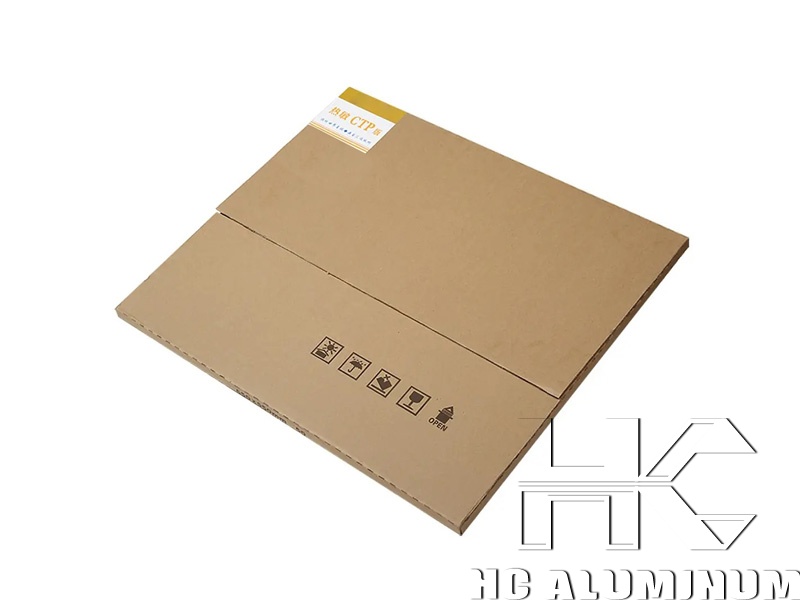
A plate is only as reliable as the consistency behind it: coating uniformity, graining and anodizing quality, packaging that protects edges, and stable lot-to-lot behavior. That is why many clients treat the plate as a process component, not a commodity.
If you are comparing suppliers for CTCP Printing Plates, ask for production-minded details: batch consistency, recommended developer parameters, storage/handling guidance, and support for platesetter calibration. Those points affect your day more than a marketing claim.
A Brief Buying Checklist (Use This Before Your Next Order)
Confirm plate compatibility with your 405 nm violet platesetter.
Align plate performance with your real job mix (fine screens vs long runs).
Ensure your processor control is stable before judging plate quality.
Request guidance on exposure and development targets for your specific workflow.
Positive CTCP printing plates reward disciplined process control with sharp reproduction, clean backgrounds, and stable press behavior. When that reliability is in place, teams spend less time "fighting the plate" and more time delivering sellable print on schedule.
PRODUCTS
ONLINE CONSULTATION
If you have any questions, please contact us and we will contact you as soon as possible.


Leave A Message
If you are interested in our products and want to know more details, please leave a message here, we will reply you as soon as we can.