
News
When buyers ask me for a CTP printing plate price, I rarely answer with a single number. Not because pricing is vague, but because CTP plates are engineered materials: alloy selection, graining and anodizing, coating chemistry, imaging sensitivity, and run length capability all translate directly into real cost. A quote that looks "low" on paper can become expensive when it increases remake rate, slows your platemaking line, or fails on press.
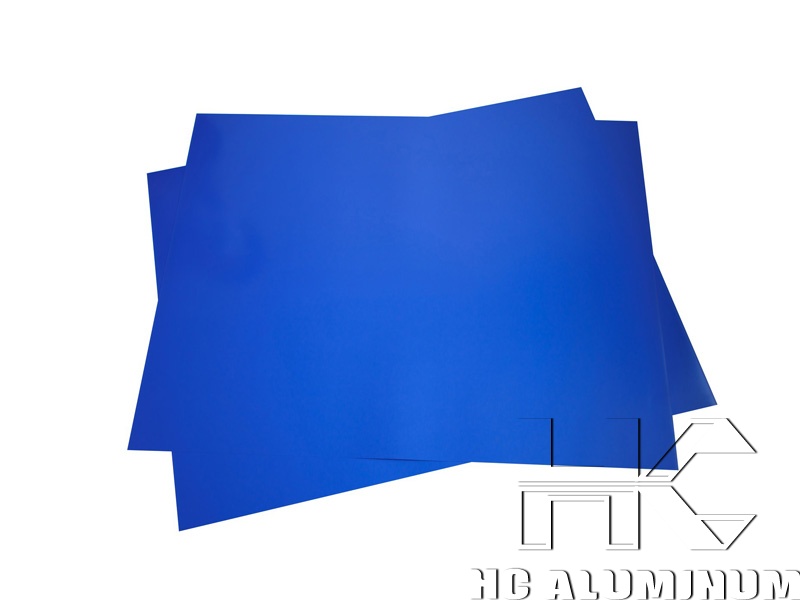
Below is how I recommend evaluating CTP printing plate price in a way that is technical, practical, and fair to both sides of the transaction.
What "CTP printing plate price" actually includes
A CTP plate is not a commodity sheet. A proper price should reflect these components:
Aluminum substrate quality: alloy stability, thickness tolerance, and flatness. These factors affect plate mounting, registration, and on-press behavior.
Electrochemical graining and anodizing: determines water balance, dot stability, and the plate's durability. Higher-quality anodic layers generally cost more but reduce press issues.
Coating formulation and coating weight: impacts imaging latitude, developer tolerance, run length, and resistance (ink, fountain solution, abrasion).
Quality control: coating uniformity tests, sensitivity checks, shelf-life validation, and batch traceability.
Packaging and logistics: moisture barrier, corner protection, palletization, and container loading strategy matter more than many buyers expect, especially for long-distance export.
If a quote is missing clarity on any of the above, it is not necessarily "wrong," but it becomes harder to compare.
The biggest price drivers (and how they affect your real cost)
1) Plate type: thermal, UV, process-free, single-layer vs double-layer
CTP plate families behave differently in production, and that difference has a price signature.
Thermal CTP plates (830 nm) are often selected for stability, imaging robustness, and broad workflow compatibility. Pricing varies with run length targets and coating design.
UV CTP plates (405 nm) can be cost-effective in certain setups, but sensitivity, ambient light handling, and press performance requirements can shift the value equation.
Process-free plates reduce chemistry and maintenance, but the plate itself typically carries a premium. The right comparison is not plate-to-plate, but "plate room total cost."
Single-layer vs double-layer: double-layer designs can offer higher robustness in challenging press conditions, at a different cost structure.
If your project is mainly commercial sheetfed with frequent job changes, your best price is often the one that minimizes remakes and keeps imaging consistent. If you run long web jobs, run length and wear resistance can dominate the calculation.
For buyers evaluating mainstream thermal plates, it helps to review a dedicated product baseline such as Thermal CTP Plate specifications (run length, developer latitude, energy range) and then map those to your actual operating conditions.
2) Specification choices that change price immediately
Even within the same plate type, small spec changes can materially affect price:
Thickness (e.g., 0.15 mm vs 0.30 mm): thicker plates cost more and also increase freight weight.
Size and cut accuracy: standard sizes are typically cheaper than special cuts.
Run length requirement: a plate engineered for higher run length usually has a more robust anodic layer and/or coating, which pushes cost.
Sensitivity/energy range: a plate tuned for fast imaging at lower energy can cost more, but it can improve throughput.
3) Order volume and how you buy (container logic)
CTP printing plate price is sensitive to volume because production setup, QC batching, and shipping efficiency improve at scale.
Pallet-to-pallet variation control is easier when orders are consistent.
Container utilization matters: inefficient loading increases freight cost per plate.
A common hidden cost is buying "a little too little" too often: you may pay higher per-unit price and higher logistics overhead, and you increase the risk of batch-to-batch variability.
How to compare supplier quotes rigorously (not just by unit price)
When you receive multiple quotes, compare these elements line-by-line:
Incoterms: EXW, FOB, CIF, DDP change the number dramatically.
Packaging standard: is it export-grade moisture barrier? Are corners protected? Is there desiccant? This affects damage rate and plate stability.
Quality and traceability: do you get batch numbers and test references? Consistency often has a measurable value in reduced downtime.
Shelf life and storage conditions: if your warehouse is warm or humid, you need packaging and coating stability that can tolerate it.
Claim policy and technical support: a cheaper plate is not cheaper if you cannot resolve imaging/processing issues quickly.
A useful trick: ask each supplier to state the assumed workflow behind the quote (developer type, processor settings, gum, press conditions). When those assumptions differ, price comparisons become misleading.
Illustrative examples: what "cheap" and "expensive" can mean in practice
Example A: Lowest price, higher remake rate
A printer buys 1,000 plates/month.
Supplier A offers $0.70/plate
Supplier B offers $0.78/plate
At first glance, Supplier A saves $80/month.
But if Supplier A's plates cause just 2% additional remakes (20 plates) due to coating inconsistency or tighter processing latitude, your real plate consumption becomes 1,020 plates.
True plate cost with A: 1,020 × $0.70 = $714
Plate cost with B: 1,000 × $0.78 = $780
A still looks cheaper by $66, until you add the real operational costs: labor to remake, CTP machine time, press scheduling disruption, and wasted paper/ink during re-plate and re-make-ready. In commercial printing, a single disrupted press slot can exceed the apparent monthly "savings."
Example B: Higher plate price, lower total plate-room cost
A buyer considers switching to a plate that images with a wider energy latitude and more forgiving processing.
Current plate: $0.75/plate, average 45 plates/hour throughput
Alternative plate: $0.82/plate, average 55 plates/hour throughput
If your platemaking is a bottleneck, throughput and reduced adjustment time may let you avoid overtime or delay penalties. In that case, paying $0.07 more per plate can reduce your total production cost.
What information to provide for an accurate CTP printing plate price
To receive a quote that is truly comparable and technically correct, I recommend sending:
Plate type (thermal/UV/process-free)
Positive or negative working
Plate thickness and required sizes
Run length target and press type (sheetfed/web)
CTP brand/model and laser power range (if known)
Processor brand/model, developer type, typical temperature and speed
Monthly volume and preferred Incoterms
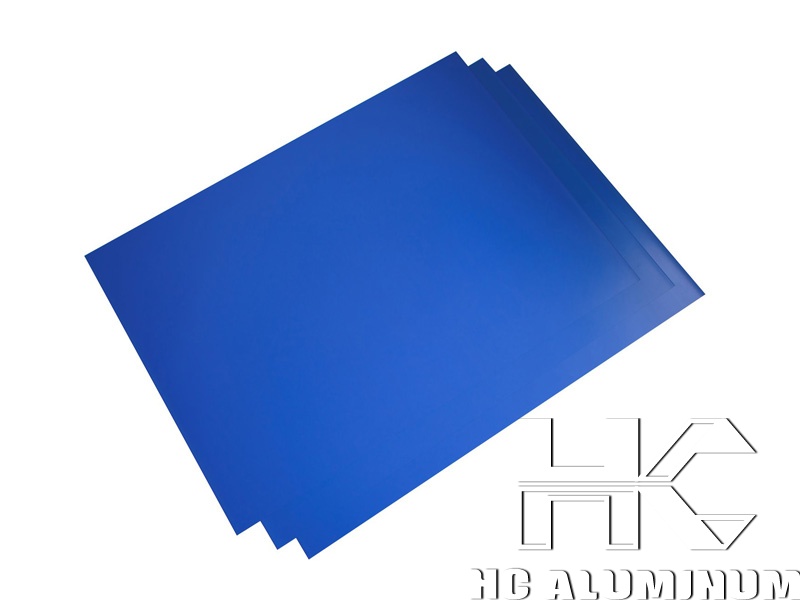
If you are evaluating multiple options, it helps to anchor to a known product class such as CTP Printing Plate and then refine the spec based on your pressroom reality.
A practical way to judge "value per plate"
If you want one metric that is more honest than unit price, use cost per 10,000 good sheets (or cost per job completed). Include:
Plate cost
Expected remake rate
Average make-ready waste from re-plating
Plate room labor time
This is where a technically stable plate often wins. Consistent dot reproduction, predictable development, and reliable press performance turn into fewer interruptions and better on-time delivery.
What you should expect from a professional supplier
A reliable supplier should be willing to:
Recommend plate type and spec based on your workflow, not just offer the cheapest option
Provide data ranges (energy, development latitude, run length expectations)
Offer sample testing with clear acceptance criteria
Maintain batch consistency and traceability
If you would like, share your plate size list, monthly consumption, CTP model, and whether you prioritize long-run durability or fast turnaround. I can help you structure a quote request that makes CTP printing plate price comparisons straightforward and technically fair.
PRODUCTS
ONLINE CONSULTATION
If you have any questions, please contact us and we will contact you as soon as possible.


Leave A Message
If you are interested in our products and want to know more details, please leave a message here, we will reply you as soon as we can.