
News
In real offset production, a plate is judged less by what the brochure says and more by what the operator sees and feels at 2 a.m. on a running press: clean highlight dots, predictable ink-water balance, fast make-ready, and a plate surface that "reads" correctly during inspection. That is exactly why the blue color CTCP plate has become a favorite in many commercial and packaging print rooms. The blue visual tone is not a marketing paint job; it is a practical interface between human inspection, plate handling, and stable UV-CTP imaging.
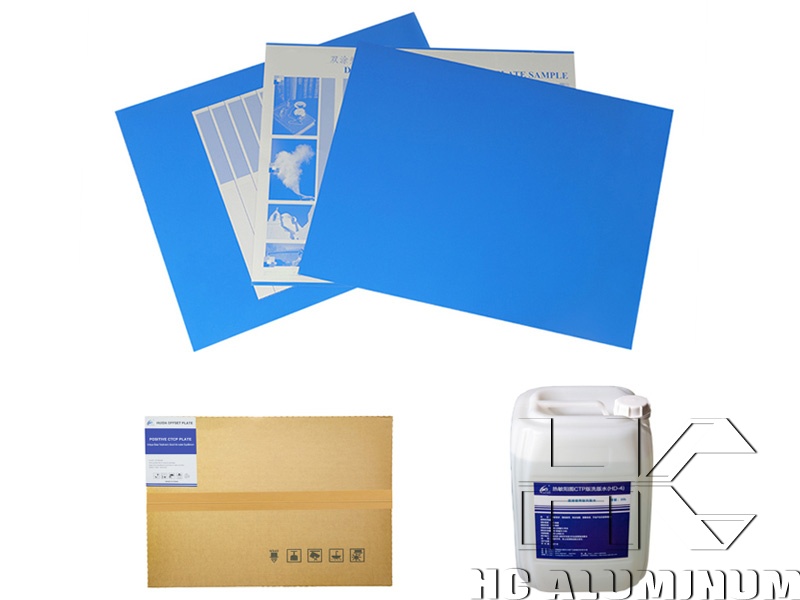
What a blue color CTCP plate really is
CTCP (Computer-to-Conventional Plate) typically refers to UV-sensitive plates imaged by 405 nm violet lasers (and related UV-CTP wavelengths depending on the platesetter). A blue color CTCP plate is a CTCP plate whose photosensitive layer and/or dye system presents a blue appearance before processing. In day-to-day use, that blue background provides a strong contrast against imaged areas, making it easier to:
Visually confirm exposure on press proofs or during pre-press inspection.
Spot handling marks, scratches, or coating defects before wasting press time.
Judge development state quickly at the processor (under safe lighting).
From a technical standpoint, the plate still relies on a precise combination of:
Electrochemically grained and anodized aluminum base (for water retention and mechanical stability)
A UV-sensitive photopolymer or diazo-based imaging layer (depending on product design)
A dye/contrast system (the "blue" that improves visual inspection)
A post-processing surface state that supports fast ink acceptance on image areas and consistent fountain solution behavior on non-image areas
Why the blue coating matters (beyond aesthetics)
Print operations are human systems. Even with densitometers and closed-loop controls, many critical decisions happen by eye:
Dot and text visibility during plate checking
On a blue background, micro text, fine lines, and halftone dots typically present clearer contrast. When a pre-press operator checks a 2% highlight dot or small reverse text in a barcode panel, reduced ambiguity prevents "it looks okay" from becoming a re-plate on press.
Reduced inspection fatigue
In busy shops, operators may check dozens of plates per shift. A consistent blue tone can make inspection more comfortable and faster, especially when paired with stable plate chemistry and an established processor setup.
More confident troubleshooting
If a job shows scumming, tinting, or slow roll-up, the team often reviews the plate first: exposure, development, and storage conditions. A plate that visually separates image vs non-image areas makes root cause analysis faster.
Exposure and development: what to control for stable results
A blue color CTCP plate typically performs best when exposure and processing are treated as a controlled system. The plate itself can be very stable, but the outcomes depend on three practical variables.
1) Exposure energy and focus
CTCP plates are less forgiving than people assume when platesetter optics are dirty or focus is off. If you notice weak small dots or pinholes in solid areas, check:
Laser power calibration and drum vacuum stability
Focus and beam quality
Plate batch consistency and storage temperature
A useful habit: keep a small "exposure ladder" test file and run it after major maintenance. The blue background helps you read subtle changes quickly.
2) Developer condition
Even a premium plate cannot overcome exhausted developer. For blue CTCP plates, pay attention to:
Conductivity or replenishment rate (depending on your chemistry)
Temperature stability (fluctuations can shift development latitude)
Brush pressure and cleanliness (over-aggressive brushing can reduce run length)
Illustrative example: a commercial printer running 175 lpi screens saw sudden background tinting after switching paper lots. The true cause was developer contamination and marginal replenishment; the blue plate's contrast made the under-developed non-image areas obvious during re-check, avoiding repeated press-side adjustments.
3) Rinse, gum, and drying
If the plate is stored after processing, a uniform gum layer and complete drying reduce oxidation and handling marks. Blue CTCP plates, because they are often checked visually, show uneven gumming more clearly, which is helpful: inconsistency is easier to catch early.
Where blue color CTCP plates fit best
Blue color CTCP plates are popular where reliability and fast inspection matter:
Commercial printing: brochures, catalogs, books, and short-to-medium runs where frequent changeovers demand quick plate approval.
Packaging (folding cartons, labels): fine type, barcodes, and line art benefit from higher visual contrast during inspection.
Mixed job environments: plants running both high-coverage solids and delicate screens, where operators need predictable roll-up.
If your applications require a mainstream UV-CTP workflow with predictable processing, exploring our CTCP Plates range is a practical starting point.
Plate structure options: single vs double layer and why it matters
Not all CTCP plates behave the same on press, especially under heavy solid ink coverage or aggressive fountain chemistry.
Single layer designs are often chosen for cost efficiency and stable standard jobs.
Double layer designs can deliver wider processing latitude and stronger resistance in challenging conditions (high-speed presses, heavier ink load, or tougher finishing steps).
If you routinely push long runs or run demanding packaging artwork, a Double Layer CTCP Plate may provide the extra stability you want, without forcing you to abandon your current UV-CTP ecosystem.
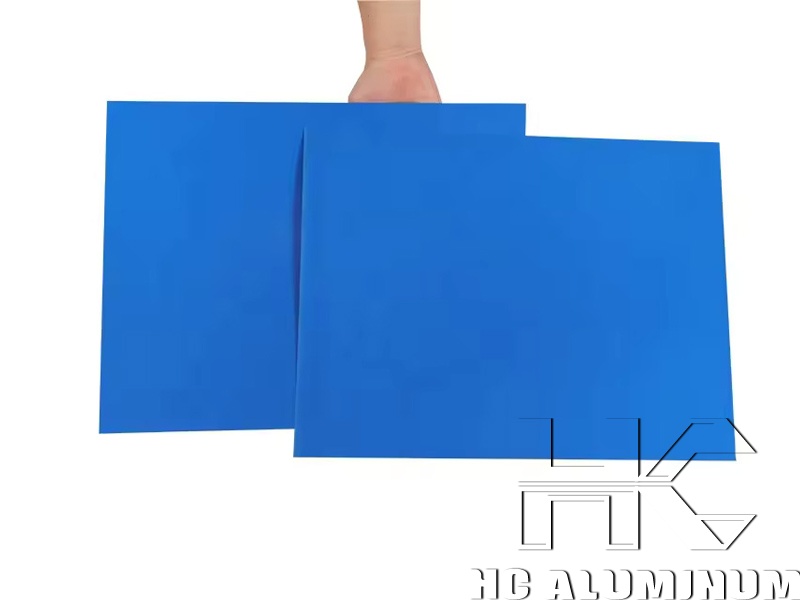
Practical press-room advantages you can measure
Clients often ask what they can "gain" from a blue color CTCP plate beyond appearance. Here are measurable, operational outcomes that well-matched blue CTCP plates can support:
Faster plate approval: fewer re-check loops because image visibility is clearer.
Reduced make-ready waste: if exposure and processing are dialed in, you see faster clean-up and stable color.
Consistent dot reproduction: better confidence holding highlights and maintaining midtone stability across repeat jobs.
Lower risk of plate mix-ups: in plants running multiple plate types, the visual identity helps operators confirm they are using the intended material.
Illustrative example: a mid-size offset shop printing manuals and inserts standardized on blue CTCP plates for all UV-CTP lines. Their internal KPI was not "plate price" but "plates rejected after imaging." By tightening exposure checks and keeping developer replenishment consistent, they reduced re-imaging events notably, and the blue tone made operator checks more consistent across shifts.
Handling, storage, and safe-light notes
Blue color CTCP plates should be handled like any UV-sensitive lithographic plate:
Store cool and dry, away from direct sunlight and UV sources.
Avoid fingerprints and sharp bending; micro-scratches can show up as print defects.
Use recommended safe-light conditions in pre-press areas.
When these basics are respected, the plate's blue contrast becomes an everyday advantage rather than just a first impression.
What to ask your supplier before you standardize a blue CTCP plate
If you are qualifying a blue color CTCP plate for your plant, the most productive technical questions are practical:
What is the recommended exposure window for my platesetter model and wavelength?
Which developer chemistry is recommended, and what replenishment strategy is proven?
What run length range is realistic for my ink, paper, and fountain solution conditions?
How consistent is the blue tone and coating across batches (important for inspection habits)?
What packaging and logistics controls protect the plate during export shipping?
A blue color CTCP plate earns its place not because it looks different, but because it makes the imaging-and-press workflow more visible, more controllable, and more repeatable. When your operators can trust what they see on the plate, they spend less time guessing and more time printing sellable sheets.
PRODUCTS
ONLINE CONSULTATION
If you have any questions, please contact us and we will contact you as soon as possible.


Leave A Message
If you are interested in our products and want to know more details, please leave a message here, we will reply you as soon as we can.