
News
In offset lithography, the plate is not just a consumable. It is the transfer medium that defines image fidelity, tonal stability, ink-water balance, and press uptime. For that reason, selecting the right aluminium offset printing plate has a direct impact on print quality, production efficiency, and total operating cost.
An aluminium offset printing plate is engineered around a simple but highly refined principle: image areas attract ink, while non-image areas attract water. That distinction sounds straightforward, yet the plate must maintain it consistently under demanding press conditions, often across thousands or even hundreds of thousands of impressions. The quality of the aluminium substrate, graining and anodizing treatment, coating formulation, and manufacturing precision all determine whether a plate performs predictably on press or creates avoidable variability.
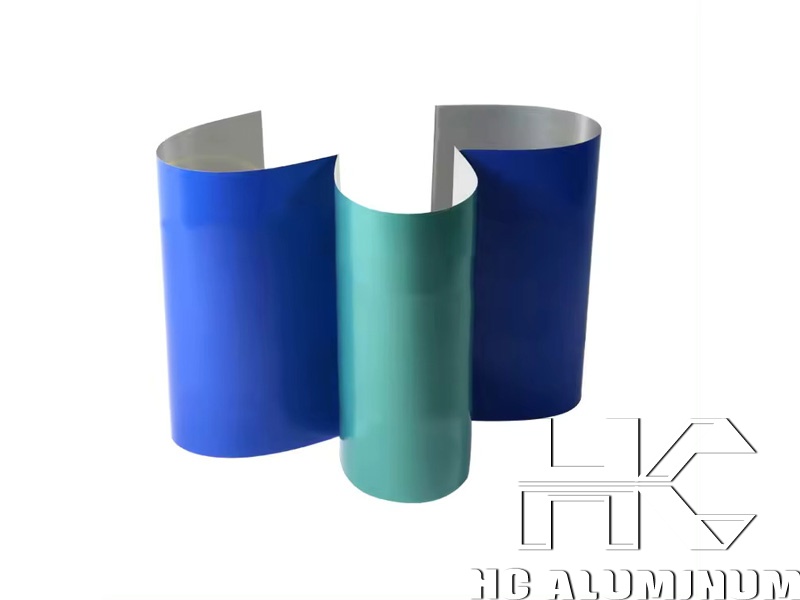
Why Aluminium Remains the Preferred Plate Base
Aluminium has become the standard base material for offset printing plates because it offers a rare combination of mechanical stability, chemical compatibility, and dimensional consistency. Compared with less stable substrates, aluminium resists deformation during imaging, processing, mounting, and long press runs. This matters in practical production. A plate that stretches, shrinks, or loses surface integrity can create registration issues, scumming, premature wear, or inconsistent dot reproduction.
A well-manufactured aluminium plate base typically delivers these essential advantages:
Excellent dimensional stability under temperature and humidity changes
Strong adhesion between the aluminium surface and the light-sensitive coating
Fine electrochemical graining that improves water retention in non-image areas
Anodized surface hardness for better abrasion resistance and run length
Reliable compatibility with modern plate setters and offset presses
For commercial printers producing magazines, packaging inserts, textbooks, catalogs, manuals, or promotional materials, those characteristics are not theoretical. They translate into faster make-ready, cleaner backgrounds, sharper halftones, and lower spoilage.
The Technical Structure of an Aluminium Offset Printing Plate
A professional aluminium offset printing plate is a layered product, not simply a coated metal sheet. The performance of the plate depends on how each layer is controlled.
First comes the aluminium coil, usually selected with strict controls on alloy, thickness tolerance, flatness, and surface purity. After cleaning, the plate base is grained, most commonly through electrochemical methods, to create a micro-roughened texture. This microstructure is critical because it helps the non-image area retain fountain solution uniformly.
The grained aluminium is then anodized. Anodizing forms a durable oxide layer that improves corrosion resistance and strengthens the plate surface. After that, the photosensitive or thermal coating is applied. This coating is what responds during exposure in conventional, CTCP, or CTP workflows.
The practical value of this structure becomes obvious on press. For example, when printing a long-run brochure with heavy solid areas and fine reversed text, a plate with weak anodizing or uneven coating may start clean but lose contrast during the run. A high-quality aluminium offset printing plate will hold the image structure more consistently, reducing interruptions and remakes.
Key Performance Indicators Buyers Should Evaluate
Potential buyers often compare plate prices first, but plate selection should be based on measurable production value. The most relevant indicators include:
1. Imaging Latitude
A good plate should provide broad exposure tolerance. This reduces sensitivity to minor fluctuations in plate setter calibration and helps maintain stable output across shifts.
2. Dot Reproduction
Fine highlights, shadow detail, and smooth gradients depend on strong dot integrity. For printers handling high-end commercial work, accurate reproduction of 1% to 99% tonal values can be decisive.
3. Ink-Water Balance
A stable hydrophilic non-image area allows the plate to reach balance quickly. In production terms, this means shorter startup times and fewer waste sheets.
4. Run Length
Run length depends on coating durability, anodized hardness, ink aggressiveness, paper abrasiveness, and press conditions. A quality aluminium plate may be ideal for medium and long runs, especially when baking or process optimization is applied where appropriate.
5. Processing Compatibility
Some printers still use conventional PS plates, while others rely on CTCP or thermal CTP systems. Matching plate chemistry to existing equipment is essential. Businesses evaluating broader Printing Plates options should consider the full production workflow rather than plate cost alone.
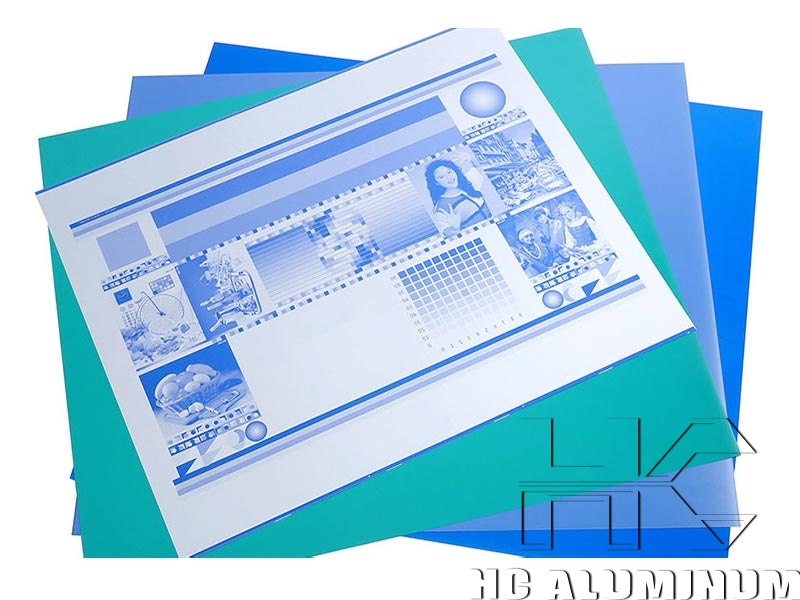
Common Applications Across Printing Segments
The aluminium offset printing plate serves a wide range of print environments. In commercial sheetfed printing, it is valued for image sharpness and stable press behavior. In web printing, plate consistency is critical because speed magnifies every minor defect. In newspaper and book production, ease of imaging and dependable run performance are often top priorities.
Consider two practical examples:
A packaging insert printer running frequent job changes needs plates that image cleanly, mount accurately, and achieve rapid ink-water balance. Even a small reduction in make-ready waste can create meaningful monthly savings.
A textbook printer producing long, repeatable runs needs durable plates that maintain text clarity and screen stability from the first signature to the last.
In both cases, the aluminium base plays a central role in keeping the plate stable under real press conditions.
How to Choose the Right Plate for Your Operation
There is no single plate that is best for every printing plant. The right choice depends on workflow, run length, imaging system, chemistry preferences, and customer expectations.
A buyer should ask:
Is the pressroom using conventional PS, CTCP, or thermal CTP imaging?
What is the average and maximum run length?
Are jobs dominated by text, solids, line work, or high-resolution screens?
Is fast startup more important, or extreme durability?
Does the plant prioritize lower chemistry consumption or broader processing latitude?
For printers using CTP systems, selecting an appropriate Offset Printing Plate should also involve evaluation of laser sensitivity, developing behavior, and consistency between batches. Batch uniformity is especially important for larger print groups that standardize settings across multiple machines.
Manufacturing Quality Makes a Visible Difference
From a supplier perspective, one point deserves emphasis: plates that look similar on paper specifications may behave very differently on press. Tight control over aluminium raw material, graining uniformity, anodizing depth, coating weight, slitting precision, and packaging protection determines whether customers receive stable plates or inconsistent ones.
Packaging is also more important than many buyers assume. Plates can be affected by moisture, pressure, light exposure, or poor transport conditions. Secure packaging helps preserve plate flatness, coating integrity, and cleanliness during shipping and storage.
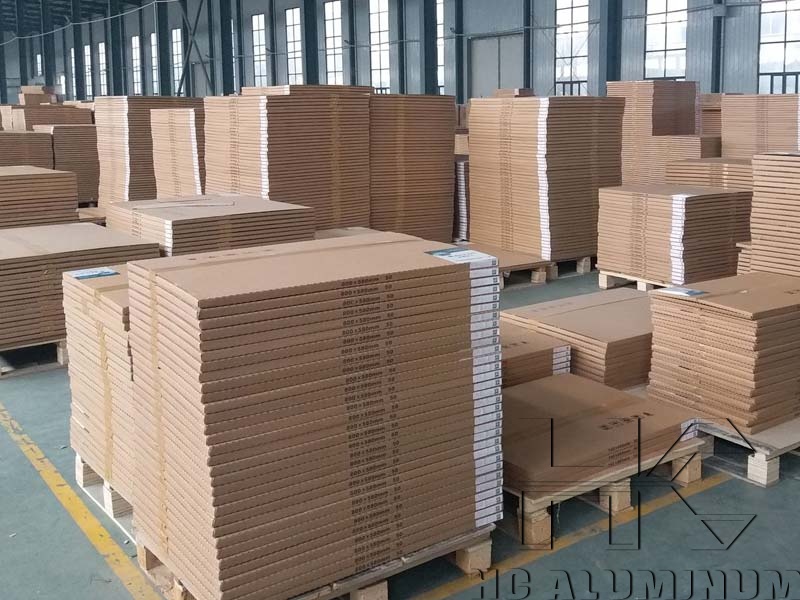
For international buyers, dependable supply is part of technical quality. Consistent dimensions, accurate palletization, clear labeling, and traceable production batches reduce warehouse confusion and improve production planning.
What Serious Printers Usually Value Most
Experienced printers rarely judge a plate only by unit price. They usually focus on the total economics of production: fewer remake jobs, reduced startup waste, stable image reproduction, lower press downtime, and confidence during long runs. When a plate performs well, it protects not only print quality but also delivery schedules and customer relationships.
That is why the aluminium offset printing plate remains a core product in modern lithographic printing. It combines mature material science with practical pressroom benefits. When properly manufactured and matched to the workflow, it gives printers what they need most: repeatability, efficiency, and image control.
For potential clients evaluating suppliers, the most useful approach is to look beyond the basic specification sheet and assess real production performance. A plate should not merely expose an image. It should help the pressroom run cleaner, faster, and with greater confidence every day.
PRODUCTS
ONLINE CONSULTATION
If you have any questions, please contact us and we will contact you as soon as possible.


Leave A Message
If you are interested in our products and want to know more details, please leave a message here, we will reply you as soon as we can.