
News
Newspaper production is a demanding form of commercial printing. Deadlines are measured in minutes, press runs can change without warning, and every plate must deliver stable ink-water balance from the first copy to the last. For this reason, selecting the right offset printing plate for newspaper printing is not simply a purchasing decision. It directly affects plate-making speed, waste levels, print consistency, and the total cost of daily production.
A newspaper plate must work reliably in a high-speed coldset web offset environment, where lightweight newsprint, relatively low-viscosity inks, and rapid make-ready create different requirements from sheet-fed commercial printing. The most suitable plate should image cleanly, develop predictably where processing is used, resist press wear, and maintain non-image cleanliness during long production cycles.
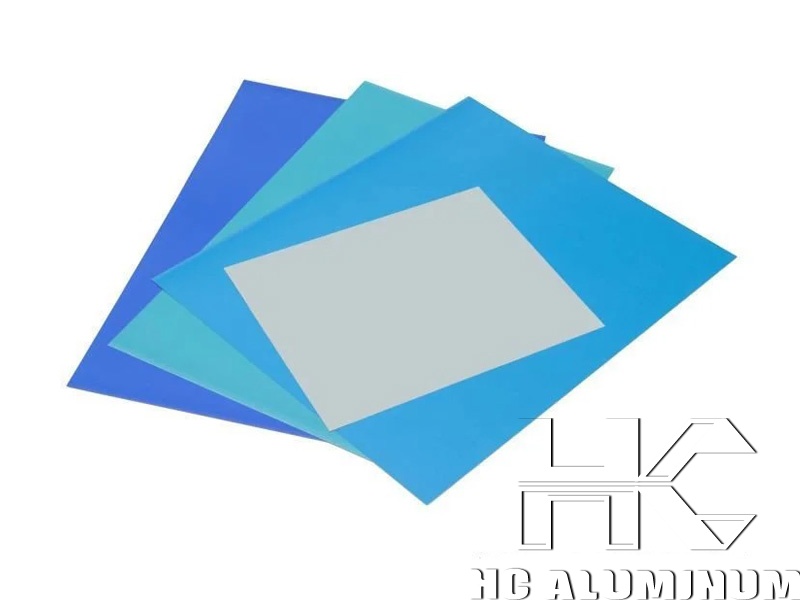
What Makes Newspaper Offset Plates Different?
Most newspapers are printed by coldset web offset, a process in which ink dries mainly through absorption into uncoated newsprint rather than heat drying. Press speeds are high, ink density must remain controlled, and plate cylinders are often configured for multiple pages across large web widths.
An offset plate used for newspaper work therefore needs to offer several practical properties:
Fast and consistent imaging on CTP equipment
Strong hydrophilic background for reliable fountain-solution control
Sufficient image-area durability for the planned circulation
Good resistance to scumming, toning, and mechanical wear
Reproducible dot reproduction for photographs, text, and advertising inserts
Efficient handling in high-volume plate rooms
In my experience, newspaper printers benefit most when they evaluate plate performance as part of the entire workflow. A plate may image well in isolation but still create problems if it is incompatible with the processor, fountain solution, press chemistry, or plate bending equipment. The best plate is the one that maintains predictable behavior throughout the production chain.
Plate Technologies Used in Newspaper Production
Thermal CTP Plates
Thermal computer-to-plate technology is widely used where printers require high imaging stability, sharp detail, and dependable output across repeated jobs. Thermal plates are normally exposed with a 830 nm laser. Their imaging characteristics can support consistent tonal reproduction, especially for newspaper pages containing a mixture of fine text, screened images, line art, and advertisements.
A conventional positive-working thermal plate generally requires chemical processing after exposure. It can be a suitable choice for printers that already operate a controlled processor and need dependable run length. Depending on the plate construction, press conditions, and chemistry, thermal newspaper plates can support typical daily newspaper runs and substantially longer production requirements.
For facilities seeking a simpler workflow, process-free thermal plates can eliminate the conventional development stage. The image is developed on press during initial start-up. This reduces processor maintenance, chemistry handling, and water consumption, although pressroom teams should carefully optimize start-up procedures to minimize paper waste.
Violet CTP Plates
Violet plates are another established option for newspaper publishing. They are exposed by violet laser CTP systems, typically around 405 nm. Violet technology can be particularly attractive in high-throughput newspaper environments because of fast imaging capability and efficient plate production.
The appropriate choice between thermal and violet depends on the installed CTP system, required run length, automation level, and operating habits. A printer should never select a plate only by unit price. Compatibility with existing equipment and the cost of interruptions matter much more than a small difference in plate cost.
For operations comparing plate technologies, HC Aluminum supplies newspaper printing plates designed for stable imaging and practical coldset web performance.
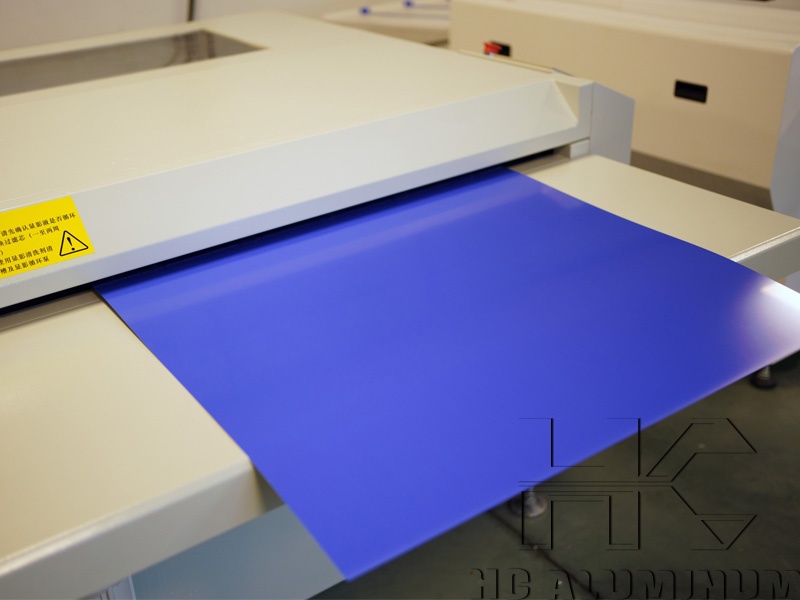
Key Technical Factors When Selecting a Plate
Aluminum Substrate and Surface Treatment
The aluminum substrate is the foundation of plate performance. Quality offset plates use electrochemically grained and anodized aluminum to create a surface that holds water in non-image areas while supporting a durable light-sensitive coating. Uniform graining and anodizing improve water receptivity, reduce the risk of background contamination, and contribute to stable printing behavior.
For newspaper production, common plate thicknesses include 0.20 mm, 0.30 mm, and 0.40 mm. The correct thickness depends on the press manufacturer's recommendation, cylinder configuration, plate clamping system, and handling method. A 0.30 mm plate is frequently used because it provides a practical balance between rigidity, bendability, and handling safety, but each pressroom should confirm its own mechanical requirements.
Resolution and Dot Reproduction
Newspapers do not normally require the same ultra-fine screening used for premium art catalogs, yet plate resolution remains important. Small text, reverse type, QR codes, maps, financial tables, and local advertising all demand clean image edges.
For example, a daily newspaper may print photographs at 85 to 120 lpi, depending on its press and newsprint quality. A high-quality plate should hold the required highlight and shadow dots consistently while preventing excessive dot gain on press. Good plate-to-plate consistency is particularly valuable when multiple press units print different sections of the same edition.
Run Length and Durability
Required run length should be specified realistically. A local newspaper printing 10,000 copies per edition does not need the same plate durability as a regional publication producing several editions with circulation above 200,000. Over-specifying run length may increase cost without delivering meaningful value; under-specifying it can lead to image wear, density variation, or plate replacement during production.
Run length is influenced by more than coating strength. Roller settings, fountain solution conductivity, ink formulation, plate cleaning practices, blanket condition, and paper dust can all affect plate life. When evaluating an offset printing plate, a controlled press trial is more informative than relying only on laboratory specifications.
Process Control Creates Better Newspaper Pages
Even an excellent plate cannot compensate for an unstable plate room. Successful newspaper operations standardize exposure energy, processor temperature, replenishment, gum application, and plate storage conditions. Plates should be stored in a cool, dry area, protected from direct light and excessive humidity. Operators should also avoid touching the coated surface with bare hands, since fingerprints may affect image quality or background cleanliness.
A practical test procedure can include the following steps:
Image a standardized test file with text, solids, halftones, and fine rules.
Measure exposure and confirm image development or on-press clean-out behavior.
Mount the plate under normal production conditions.
Check start-up waste, ink density, dot reproduction, and non-image cleanliness.
Inspect the plate after the target run for wear, scratches, or image degradation.
For instance, if a pressroom experiences scumming after several thousand impressions, the cause may not be the plate itself. It may be excessive ink emulsification, insufficient fountain solution control, contamination in the recirculation system, or incorrect roller pressure. Testing should identify the root cause before changing materials.
Why Supply Consistency Matters
Newspaper production schedules leave little room for supply uncertainty. Plates should arrive with consistent coating quality, accurate dimensions, secure packaging, and reliable shelf life. Plate packaging must prevent moisture exposure, edge damage, and light contamination during transport and warehouse storage.
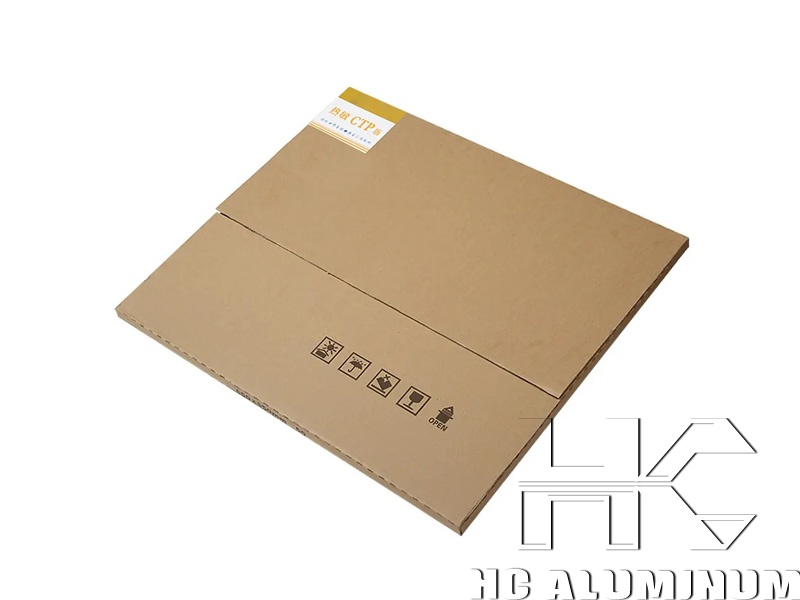
A dependable manufacturer should provide technical data, support for CTP compatibility, and stable batch-to-batch production. For printers managing different publication formats, it is also useful to work with a supplier offering a broader range of offset printing plate options, including thermal, UV-CTP, PS, CTCP, and process-free solutions.
The right newspaper plate creates value beyond the image on the page. It shortens make-ready, reduces avoidable waste, supports sharper editorial content, and gives press operators confidence during the most time-sensitive part of the day.
PRODUCTS
ONLINE CONSULTATION
If you have any questions, please contact us and we will contact you as soon as possible.


Leave A Message
If you are interested in our products and want to know more details, please leave a message here, we will reply you as soon as we can.