
News
Commercial printing demands consistency. Whether a printer produces premium brochures, product catalogs, retail inserts, packaging sleeves, books, or corporate stationery, the printing plate has a direct influence on image sharpness, ink-water balance, production speed, and overall job profitability. A well-matched offset plate does more than transfer an image to paper. It helps the pressroom run predictably from the first approved sheet to the final delivery.
For commercial printers, selecting offset printing plates is not simply a matter of choosing the lowest purchase price. Plate performance must be evaluated together with press conditions, imaging equipment, chemistry, substrate range, print run length, and the quality expectations of the final customer. The right plate can reduce remake rates, shorten make-ready time, and protect the printer's reputation for stable color reproduction.
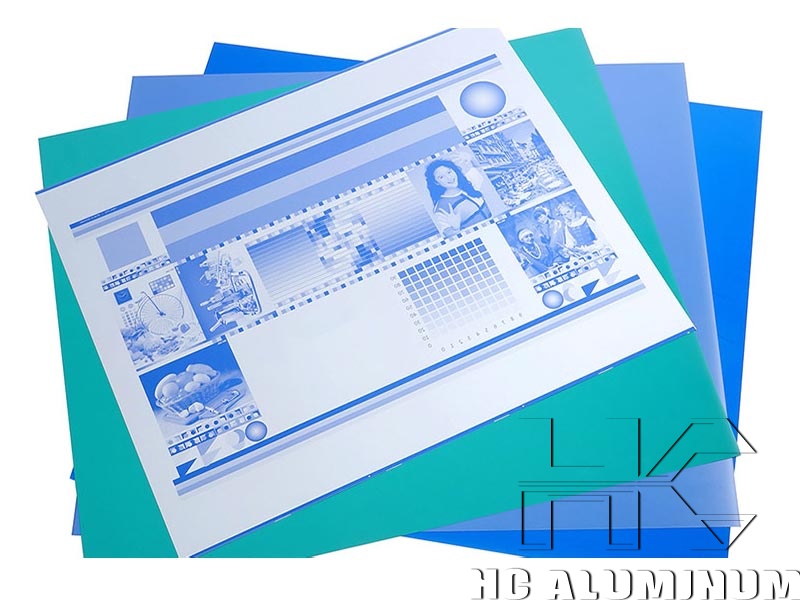
Why Plate Quality Matters in Commercial Offset Printing
Offset lithography works on the principle that image areas accept ink while non-image areas retain fountain solution. This process appears straightforward, but reliable printing depends on the plate's coating uniformity, aluminum substrate quality, hydrophilic surface treatment, and resistance to press chemistry.
In commercial printing, customers often expect clean highlight dots, smooth vignettes, accurate brand colors, and readable fine text. A plate with uneven coating or poor development latitude can lead to problems such as scumming, weak dots, premature wear, excessive ink consumption, or difficult ink-water adjustment.
A high-quality plate should provide several practical advantages:
Stable reproduction of fine lines, small text, and screened images.
Consistent ink acceptance in image areas.
Strong water retention in non-image areas.
Good resistance to scratches during handling and mounting.
Predictable plate life throughout the intended print run.
Compatibility with common fountain solutions, inks, and press conditions.
For example, a commercial printer producing a 40,000-copy cosmetics catalog needs stable solid areas and smooth skin-tone gradients. If the plate loses dot integrity during the run, the result may be visible color shifts or weak detail in the highlights. Selecting a durable thermal CTP plate can reduce this risk while maintaining consistent tonal reproduction.
Main Types of Offset Printing Plates for Commercial Applications
Different commercial print operations require different plate technologies. The most suitable choice depends on the workflow, equipment investment, daily job volume, and environmental requirements.
Thermal CTP Plates
Thermal computer-to-plate technology is widely used by commercial printers because it supports high-resolution imaging, reliable repeatability, and efficient digital workflows. Thermal plates are imaged using a thermal CTP system, typically at 830 nm, and are available in processed, low-chemistry, and process-free versions.
For companies operating modern CTP lines, thermal plates are often a strong option for catalogs, art books, high-end promotional materials, and other color-critical applications. Their stable imaging behavior is especially valuable when printers need dependable dot reproduction across repeat jobs.
Thermal plates are commonly selected when a printer prioritizes:
High image resolution and sharp detail.
Reliable performance on medium and long production runs.
Good compatibility with automated CTP workflows.
Reduced variation between different plate batches.
Positive PS Plates
Positive presensitized plates, often called PS plates, remain a practical and economical solution for conventional offset workflows. They are generally exposed through film and developed before mounting on the press. PS plates are widely used by printers that maintain traditional prepress systems or serve markets where film-based production remains cost-effective.
A positive PS plate can be a suitable choice for commercial forms, local advertising sheets, manuals, educational materials, and short-to-medium-run printing. Its main strengths are straightforward processing, established workflow familiarity, and competitive cost.
CTCP Plates
CTCP plates are designed for computer-to-conventional plate imaging systems. They allow printers to move from film-based plate production toward digital prepress without immediately investing in a thermal CTP device. This makes CTCP technology attractive for commercial printers seeking improved workflow efficiency while controlling capital expenditure.
In a typical example, a regional print shop producing restaurant menus, flyers, and product leaflets may use CTCP plates to eliminate film handling, reduce prepress time, and improve registration consistency. The printer gains digital image transfer while continuing to use a conventional plate-processing approach.
Process-Free Plates
Process-free plates are developed directly on the printing press, eliminating the need for a separate plate processor and associated developer chemistry. They can help reduce water use, chemical handling, equipment maintenance, and processor-related variation.
However, process-free plates should be matched carefully to press conditions. Their performance depends on suitable ink, fountain solution, blanket condition, roller settings, and operator discipline. For a commercial printer focused on sustainable production and shorter-run work, process-free technology can offer meaningful operational benefits. For extremely long runs or highly demanding UV applications, a conventional processed thermal plate may still be the more appropriate solution.
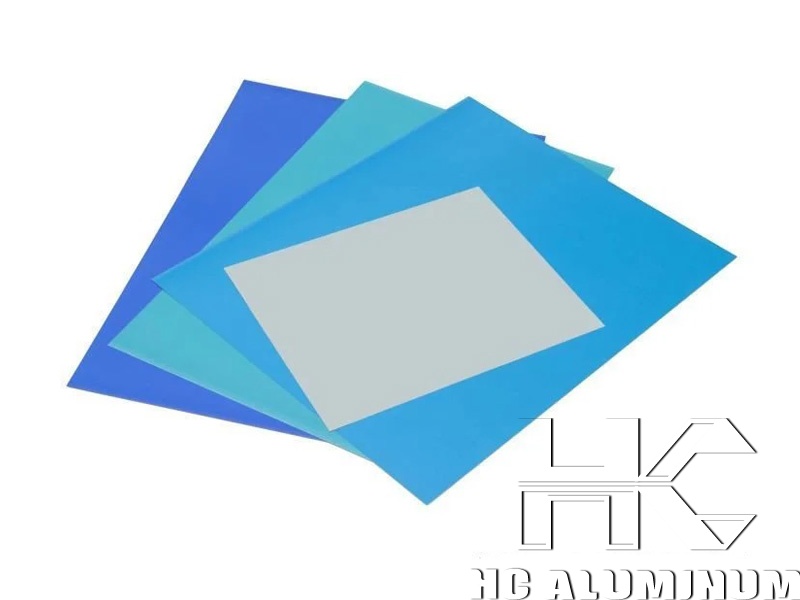
How to Match Plate Type to Commercial Print Jobs
The best plate is the one that supports the real production requirement, not simply the plate with the highest advertised sensitivity or longest run length. Printers should review several core factors before purchasing.
1. Expected Run Length
Short-run promotional leaflets may require a different plate than a 150,000-impression magazine job. Standard commercial thermal plates can serve many medium-run applications effectively, while high-durability plates may be required for long runs, UV inks, abrasive papers, or demanding press environments.
2. Imaging System Compatibility
A thermal CTP plate must match the laser wavelength and operational requirements of the CTP system. Likewise, CTCP plates must be compatible with the imaging device, exposure energy, plate processor, and plate chemistry. Compatibility testing is essential before large-volume purchasing.
3. Print Quality Requirements
A luxury brand brochure and a one-color instruction sheet do not require the same level of dot control. For detailed color work, printers should evaluate minimum dot reproduction, highlight retention, screen ruling support, and resistance to dot gain. Plate testing should include real artwork, not only standard test forms.
4. Pressroom Chemistry and Maintenance
Even a premium plate can underperform when fountain solution conductivity, pH, roller pressure, blanket condition, or wash-up practices are poorly controlled. Good plate performance is always linked to disciplined pressroom operation. I recommend evaluating a new plate under normal production conditions, with the printer's actual inks, paper grades, and fountain solution rather than relying only on laboratory results.
Evaluating a Plate Supplier Beyond Price
Plate cost matters, but the purchase price is only one part of the production equation. A plate that costs slightly less but creates frequent remakes, slow roll-up, scumming, or inconsistent print density can become more expensive than a stable alternative.
When comparing suppliers, commercial printers should assess coating consistency, substrate flatness, packaging protection, shelf life, technical documentation, delivery reliability, and after-sales support. A dependable offset printing plate supplier should also be able to recommend suitable plate grades for conventional, alcohol-free, UV, and low-chemistry workflows.
For instance, if a printer receives plates with insufficient packaging protection, edge damage or surface scratches may occur during transportation. A robust package design, clear batch identification, and controlled storage conditions help protect plate quality before production begins.
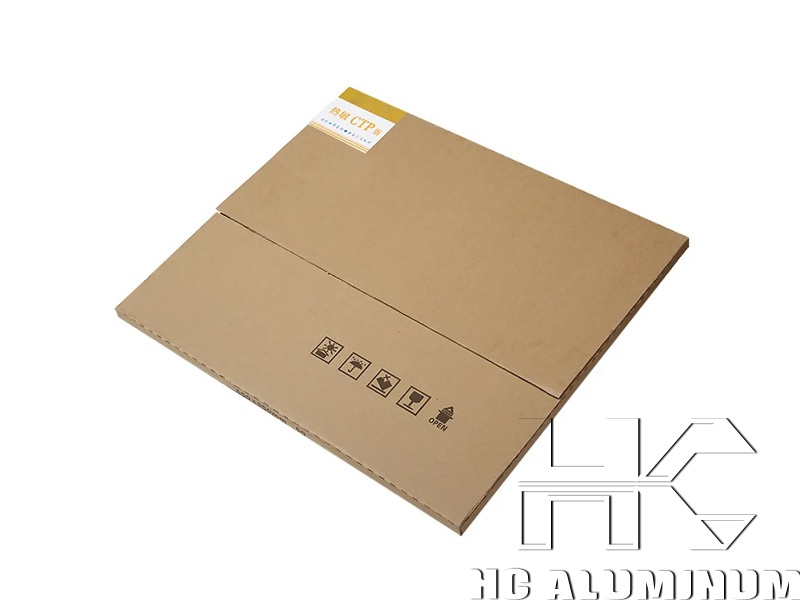
Practical Storage and Handling Recommendations
Offset plates should be stored in a clean, dry environment away from direct sunlight, excessive heat, humidity, and chemical vapors. Plates should remain in their original packaging until needed, and operators should avoid touching the coated surface with bare hands.
Before mounting, inspect the plate for scratches, oxidation marks, bent edges, or contamination. During production, maintain correct plate tension and ensure that clamps are clean and secure. Small handling errors can create avoidable downtime, especially on multi-color commercial presses where plate registration is critical.
Reliable offset printing plates give commercial printers a foundation for stable production. By matching plate technology to actual press requirements and evaluating total operating value rather than unit price alone, printers can improve quality control, reduce waste, and build stronger long-term relationships with their own customers.
PRODUCTS
ONLINE CONSULTATION
If you have any questions, please contact us and we will contact you as soon as possible.


Leave A Message
If you are interested in our products and want to know more details, please leave a message here, we will reply you as soon as we can.