
News
Conventional printing plates remain an important and highly practical choice for commercial offset printers, packaging converters, book printers, and regional newspaper operations. While computer-to-plate technology has transformed many prepress departments, conventional plates, commonly called PS plates or presensitized plates, continue to offer dependable imaging quality, straightforward processing, and attractive operating economics where film-based workflows are established.
At HC Aluminum, we view a printing plate not simply as a consumable but as a controlled interface between artwork, ink, fountain solution, press settings, and production expectations. A well-made conventional plate helps a printer achieve fast make-readies, clean highlights, stable solids, and repeatable run lengths. The plate must do this consistently across batches, press formats, and changing shop-floor conditions.
What Are Conventional Printing Plates?
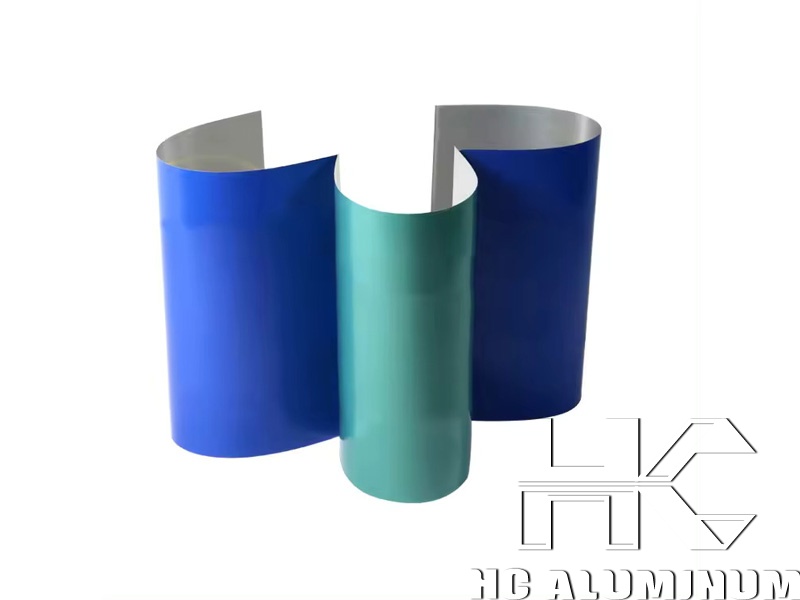
A conventional printing plate is an aluminum offset plate coated with a photosensitive layer. Before it goes on press, the plate is imaged through a film positive or film negative using a vacuum exposure frame and ultraviolet light. The exposed plate is then developed, rinsed, gummed, and ready for mounting on an offset press.
The aluminum substrate is normally electrochemically grained and anodized. This treatment creates a hydrophilic, water-retaining background that supports the fundamental lithographic principle: image areas accept ink, while non-image areas accept fountain solution and repel ink. The quality of this substrate treatment has a direct effect on water balance, dot reproduction, resistance to scumming, and plate durability.
In most conventional workflows, printers use a presensitized plate with a positive-working coating. The dark areas of the positive film block UV light. During exposure, the coating beneath the transparent areas becomes soluble in developer and is removed during processing. The remaining coated image areas are ink-receptive. This method is widely familiar to pressrooms and supports precise control over each prepress stage.
Positive and Negative Working Plate Options
Positive-working plates are the most common conventional plate type for commercial sheet-fed and web offset printing. They are valued for fine dot retention, clean non-image areas, and reliable compatibility with standard positive films. They are especially suitable for brochures, catalogs, manuals, labels, inserts, books, and general commercial printing.
Negative-working plates operate differently. Light hardens the exposed coating, so the image remains after development. They are generally used with negative films and may be selected for specific legacy workflows, specialized applications, or production environments where their imaging characteristics match existing equipment.
Choosing between positive and negative plates is not a matter of which is universally better. It depends on the prepress system already in use. For example, a printer operating a conventional imagesetter that outputs positive film for four-color catalogs will normally choose a positive PS plate. A facility with negative film production and an established negative plate process should preserve that workflow unless there is a clear commercial reason to change.
Why Plate Quality Matters on Press
Two conventional plates can look similar before exposure but behave very differently during production. The critical factors include coating uniformity, photosensitivity, development latitude, anodic layer quality, grain structure, and resistance to chemical attack.
A plate with consistent coating weight responds evenly during exposure. This reduces the risk of weak image areas, plugged highlights, or inconsistent dot values across the sheet. Development latitude is equally important. In practical terms, it means the plate can tolerate minor variation in exposure or processor conditions without causing an immediate loss of image quality.
Consider a 175 lpi brochure with photographs, small reverse text, and solid corporate colors. The printer needs open highlight dots, sharp 4-point text, stable midtones, and dense solids. A reliable conventional plate helps preserve these elements from film to press. If the plate has poor coating consistency or insufficient resistance, the printer may encounter premature wear, dirty backgrounds, or weak image density before the target run is completed.
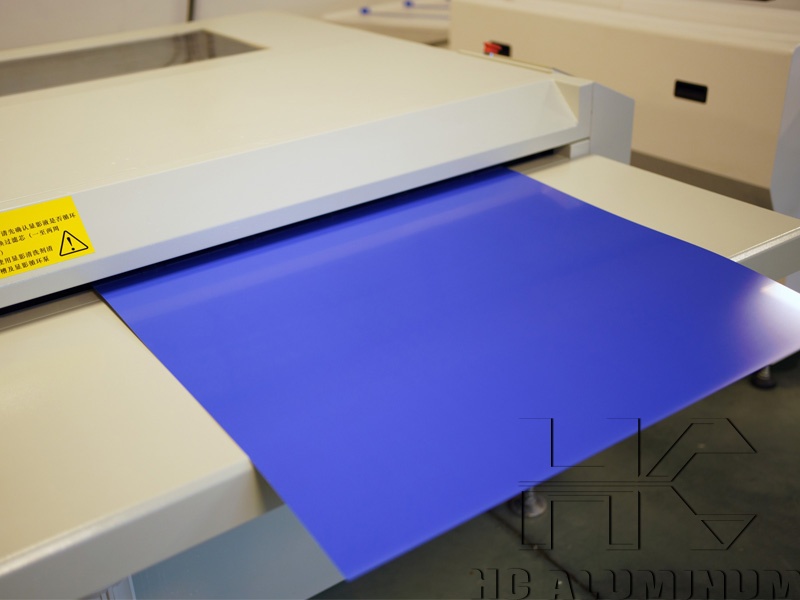
Plate Processing: Where Consistency Is Won or Lost
Conventional plate production requires proper control of exposure and processing. Even a high-quality plate cannot compensate for incorrect handling. Exposure should be calibrated using a step wedge or plate control strip, while vacuum contact between film and plate must be complete. Poor contact can soften fine text and reduce edge sharpness.
Developer concentration, temperature, replenishment rate, and processor speed should be monitored regularly. Underdevelopment can leave coating residue in non-image areas, increasing the chance of tinting or scumming on press. Overdevelopment can weaken fine dots and reduce image durability. After development, thorough rinsing and correct gumming protect the hydrophilic background during storage and transport to the pressroom.
A practical example is a printer producing pharmaceutical leaflets with very small type and barcode elements. The prepress team should maintain a stable exposure standard, check film density, and verify developer activity daily. These controls help protect barcode readability and prevent loss of fine information that could create costly compliance issues.
Selecting the Right Conventional Plate
When sourcing conventional printing plates, buyers should evaluate more than unit price. The best value comes from total production performance. Key selection points include:
Plate type and film polarity: Confirm whether the workflow requires positive- or negative-working plates.
Gauge and dimensions: Plate thickness must match the press cylinder, clamp system, and bending requirements. Common gauges include 0.15 mm, 0.20 mm, 0.30 mm, and 0.40 mm.
Run-length requirement: Short-run commercial jobs and longer production runs require different levels of coating durability.
Processor compatibility: Plates should be matched to the available developer chemistry and processing conditions.
Ink and fountain solution behavior: A stable plate should maintain clean non-image areas and a comfortable ink-water balance.
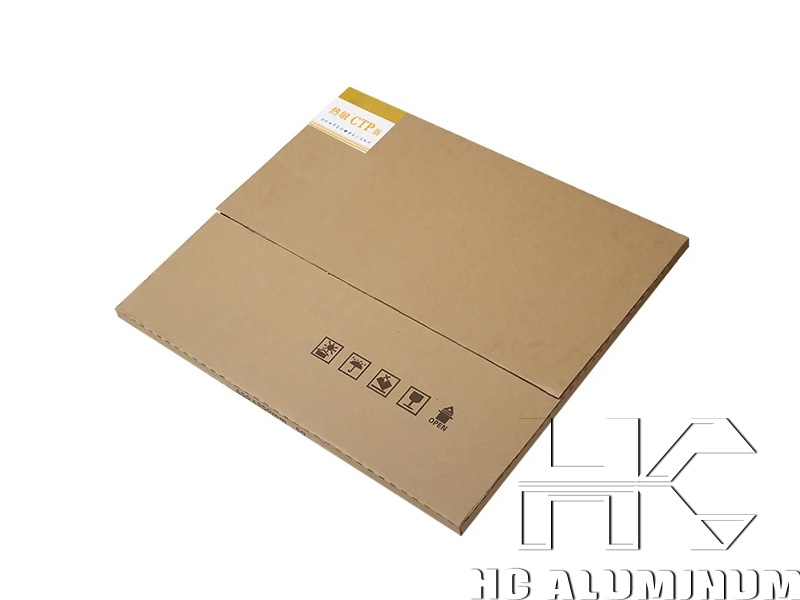
Packaging protection: Plates require moisture-resistant, light-protective packaging to preserve coating performance during storage and export shipment.
For printers replacing an existing analog product, starting with a controlled press trial is the most sensible approach. Test the plate on representative jobs, including line work, screened images, solids, and long-run designs. Record exposure, processor settings, fountain solution conductivity, ink settings, and achieved impressions. This provides meaningful evidence beyond a simple visual comparison.
A Practical Choice for Established Prepress Operations
Conventional plates remain highly relevant where film output equipment is available, production volumes are stable, and operators value a familiar, controllable process. They can be an efficient solution for local commercial printers, educational printing centers, specialty packaging plants, and operations that maintain conventional prepress as part of a mixed technology environment.
For buyers seeking a broader range of plate solutions, HC Aluminum supplies offset printing plate products engineered around reliable aluminum substrate quality, consistent coating performance, and export-ready packaging. The right conventional plate supports more than image transfer: it protects production efficiency, print consistency, and the printer's reputation with every job delivered.
PRODUCTS
ONLINE CONSULTATION
If you have any questions, please contact us and we will contact you as soon as possible.


Leave A Message
If you are interested in our products and want to know more details, please leave a message here, we will reply you as soon as we can.