
News
For commercial printers, plate making is not simply a prepress step. It directly affects press availability, job turnaround, image reproduction, and operating cost. A high photosensitive speed offset printing plate is designed for printing environments where rapid exposure and dependable plate performance are both essential.
High-sensitivity plates are especially valuable in conventional PS plate workflows, where ultraviolet exposure, developing, finishing, and plate mounting must be completed efficiently. By requiring less exposure energy to form a clear image, the plate can help shorten processing time while preserving the dot definition needed for sharp text, smooth tonal transitions, and stable ink-water balance on press.

What Does High Photosensitive Speed Mean?
Photosensitive speed refers to how efficiently the light-sensitive coating responds to ultraviolet light during exposure. In practical terms, a plate with high photosensitive speed reaches proper image formation at a lower exposure energy or within a shorter exposure time than a standard-sensitivity plate.
For a positive-working offset plate, the exposed coating areas become soluble in the developer and are removed during processing. The unexposed areas remain on the aluminum substrate and become ink-receptive printing areas. A high-sensitivity coating makes this reaction more efficient, but the objective is not merely to expose the plate faster. The real objective is to achieve a clean, repeatable image under controlled processing conditions.
A well-engineered high photosensitive speed plate should offer a balanced combination of:
Fast and uniform UV response
Clear resolution of fine text and screen dots
Wide exposure latitude
Stable development behavior
Strong hydrophilic non-image areas
Reliable run length on press
Good resistance to scratches, oxidation, and handling damage
Exposure speed alone is not a complete indicator of plate quality. A plate that reacts quickly but has a narrow processing window can create avoidable risk. For this reason, professional buyers should assess sensitivity together with developing tolerance, image contrast, coating uniformity, and compatibility with their existing equipment.
Why Faster Plate Exposure Matters
In a busy print operation, small time savings at the plate-making stage can accumulate into meaningful production gains. This is particularly true for packaging inserts, books, forms, promotional materials, and short-to-medium-run commercial jobs where frequent plate changes are required.
A high photosensitive speed offset printing plate can reduce exposure time in a contact exposure frame or conventional plate-making line. This allows operators to prepare plates faster, respond more efficiently to urgent orders, and maintain smoother workflow between artwork approval and press start-up.
For example, a commercial printer producing several versions of a retail catalog may need to remake plates after last-minute price or product updates. With a fast-response plate, the prepress team can expose and process replacement plates promptly, helping the press department avoid prolonged downtime. The value is not only speed; it is better coordination between departments and more predictable delivery performance.
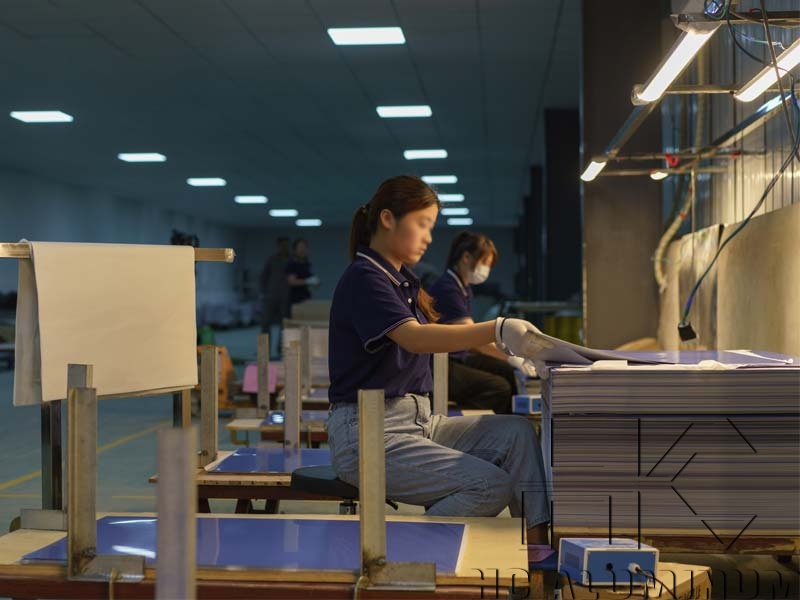
Coating Technology and Aluminum Substrate Quality
The performance of a photosensitive plate depends on the interaction between its coating and the aluminum base. High-quality aluminum plate stock is typically grained and anodized to create a durable, hydrophilic surface. This surface supports water retention in non-image areas while providing strong anchorage for the photosensitive coating.
The coating must be applied evenly across the sheet or coil. Poor coating consistency can lead to uneven exposure, weak dots, scumming, premature wear, or variation between plates. A reliable manufacturer controls key parameters such as substrate cleanliness, graining quality, anodic layer formation, coating weight, drying conditions, and final inspection.
For buyers evaluating Offset Printing Plate products, it is useful to request technical information covering plate thickness, recommended exposure range, developer compatibility, storage conditions, resolution capability, and expected run length. These details help determine whether the plate is suitable for the actual production environment rather than only for laboratory testing.
Image Quality: Fine Dots, Clean Highlights, and Solid Ink Areas
High photosensitive speed should support, not compromise, image quality. A capable plate coating produces strong contrast after exposure and development, making it easier for the operator to inspect the image before mounting. Clear image visibility is important when checking fine lines, small reverse text, halftone dots, barcode areas, and registration marks.
In commercial offset printing, highlights and shadows often reveal the true stability of the plate. Weak highlights may disappear if exposure or development is poorly controlled, while blocked shadow dots can reduce detail in photographs and dark image areas. A properly matched high-sensitivity plate helps preserve tonal information when used with calibrated film, suitable UV exposure, fresh developer, and correct processing time.
Consider a brochure containing a light gray background, small black text, and full-color product photography. The printing plate must hold delicate highlight dots without allowing non-image areas to accept ink. At the same time, solid color areas must remain durable during the press run. This balance is a key reason why plate chemistry and manufacturing consistency matter more than a simple claim of fast exposure.
Compatibility With Conventional Plate-Making Systems
High photosensitive speed offset printing plates are commonly used with conventional UV exposure frames and film-based workflows. They are a practical option for printers that want efficient plate production without converting immediately to computer-to-plate equipment.
These plates are generally suited to commercial sheet-fed offset presses, web offset presses, book printing, label production, and selected newspaper applications, depending on the plate specification and press conditions. For operations using positive-working technology, Positive Plates can provide a familiar workflow with fast imaging response and dependable print behavior.
Before purchasing, printers should verify compatibility with their exposure lamp spectrum, vacuum frame condition, developer type, processor temperature, replenishment system, gum solution, and press chemistry. Even a high-quality plate can underperform if the processor is poorly maintained or the exposure unit has an aging lamp.
Practical Handling and Storage Recommendations
To protect plate sensitivity and consistency, plates should be stored in a cool, dry environment away from direct sunlight, ultraviolet sources, high humidity, and extreme temperature changes. Packaging should remain sealed until use, and operators should avoid touching the coated surface with bare hands.
During production, regular control strips or test exposures can help establish the correct exposure setting. Developer concentration and temperature should also be checked routinely. When plate image quality changes unexpectedly, the cause may be exposure lamp output, vacuum contact, film density, developer condition, or processor roller cleanliness rather than the plate itself.
A high photosensitive speed offset printing plate delivers its best value when it is treated as part of a controlled production system. Fast exposure, clean development, stable press performance, and professional technical support together create the efficiency that modern printers need.
PRODUCTS
ONLINE CONSULTATION
If you have any questions, please contact us and we will contact you as soon as possible.


Leave A Message
If you are interested in our products and want to know more details, please leave a message here, we will reply you as soon as we can.