
News
Conventional offset printing plates remain a practical and highly effective choice for printers that operate film-based prepress workflows. Often called PS plates, or presensitized plates, these aluminum plates are designed to transfer image information from film to plate through ultraviolet exposure and chemical development. Although computer-to-plate technology has become widespread, conventional plates still serve many commercial printers, packaging converters, book printers, and regional print shops because they combine reliable image reproduction with accessible equipment costs.
For printers working with existing film output systems, conventional offset printing plates provide a proven route to stable press performance. The technology is well understood, operator-friendly, and suitable for a broad range of sheet-fed and web offset applications. When plate quality, processing conditions, and press settings are properly matched, conventional plates can produce sharp text, clean highlights, solid ink coverage, and consistent long-run results.
What Is a Conventional Offset Printing Plate?
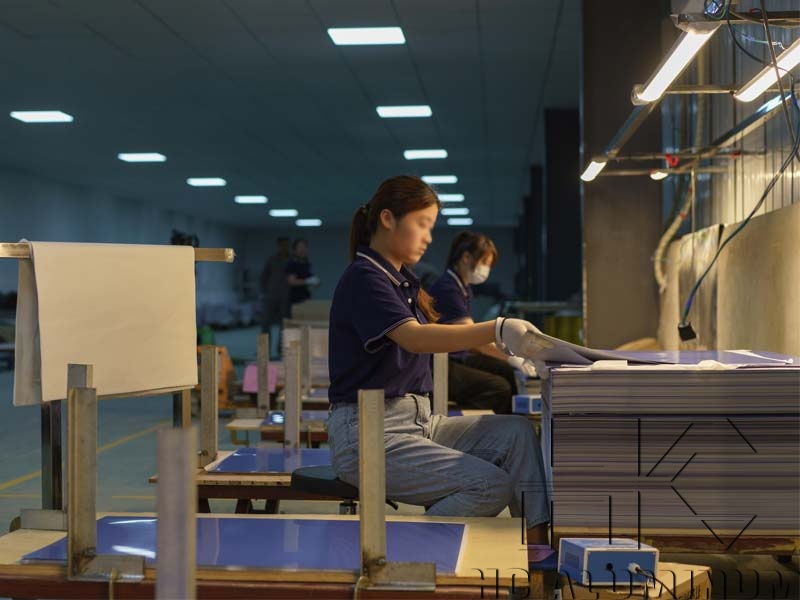
A conventional offset printing plate is usually manufactured from grained and anodized aluminum. The aluminum substrate is treated to create a hydrophilic surface that retains fountain solution in non-image areas. A light-sensitive coating is then applied to the surface. During plate making, the plate is placed in contact with a photographic film and exposed to UV light in a contact frame.
The exposed or unexposed coating is subsequently removed during development, depending on whether the plate is positive-working or negative-working. The resulting image areas become ink-receptive, while non-image areas remain water-receptive. This oil-and-water separation is the foundation of offset lithography.
Most commercial applications use positive-working plates. With a positive plate, the film's clear areas allow UV light to reach the plate coating. The exposed coating is removed during developing, creating the ink-carrying image. Negative-working plates operate in the opposite manner, with exposed coating generally becoming hardened and retained on the plate.
For printers using conventional prepress, selecting the appropriate presensitized plate is not only about plate sensitivity. It also involves matching plate chemistry to the available developer, processor, exposure unit, press type, expected run length, and ink system.
Why Conventional Plates Continue to Matter
The value of conventional plates is often underestimated in discussions focused solely on digital plate imaging. In real production environments, many printers already own cameras, film setters, contact frames, and plate processors that are capable of delivering excellent results. Replacing a complete workflow may not be economically justified, particularly where job volumes are steady and film preparation remains efficient.
Conventional offset printing plates offer several operational benefits:
Lower entry cost: Film-based exposure equipment is generally less expensive than a new CTP system.
Stable and familiar processing: Experienced operators can inspect film, exposure, development, and plate image quality at each stage.
Strong image definition: High-quality film and proper vacuum contact can reproduce fine text, line work, barcodes, and halftone dots accurately.
Flexible plate sizes: Plates can be supplied in common sheet-fed and web press dimensions, as well as custom-cut formats.
Practical long-run capability: Depending on coating type, aluminum gauge, chemistry, and press conditions, conventional plates can support medium to long commercial runs.
A regional publisher is a useful example. If its daily newspaper or community publication uses an established film workflow, conventional plates can maintain predictable output without requiring immediate investment in thermal imaging equipment. Similarly, a packaging printer producing one- or two-color cartons may value the straightforward film-to-plate process for short repeat jobs.
Plate Construction and Performance Factors
A dependable conventional plate begins with the aluminum base. The substrate must have consistent thickness, flatness, grain structure, and anodic oxide treatment. These characteristics influence water retention, coating adhesion, mechanical durability, and press stability.
The grained aluminum surface creates microscopic valleys that help hold fountain solution. Anodizing strengthens the surface and improves resistance to wear and chemical attack. The light-sensitive coating must be uniform across the full plate area; inconsistent coating can cause uneven exposure response, weak image areas, scumming, or premature plate wear.
When evaluating an offset printing plate, buyers should consider more than the purchase price. A lower-cost plate that requires frequent processor adjustments or produces inconsistent dot reproduction can raise total production cost through waste, reprints, downtime, and press operator intervention.
Positive and Negative Plate Applications
Positive conventional plates are widely selected for commercial sheet-fed printing because they provide good resolution and predictable exposure latitude. They are commonly used for brochures, catalogs, manuals, books, stationery, posters, labels, and general promotional materials.
For example, a printer producing a four-color product catalog needs stable halftone reproduction from the 2% highlight range through dense shadow areas. A properly exposed and processed positive PS plate can help retain fine highlight dots while maintaining solid image areas for rich photographs and sharp branding elements.
Negative plates may be selected where a workflow is built around negative film or where the printing application requires a plate chemistry suited to more demanding conditions. The correct choice should be based on actual prepress equipment and production requirements, rather than simply following a general market preference.
Best Practices for Plate Exposure and Processing
Plate quality is closely linked to process discipline. Even a high-quality plate cannot compensate for poor film density, weak vacuum contact, exhausted developer, incorrect processing temperature, or inadequate gum protection.
For consistent results, printers should:
Use clean, high-density film with accurate image orientation.
Check vacuum contact before exposure to prevent undercutting and loss of fine detail.
Establish exposure standards with a control strip or step wedge.
Monitor developer concentration, replenishment, temperature, and processing time.
Rinse and gum plates thoroughly after development to protect the non-image areas.
Store unexposed plates in a cool, dry environment away from direct light and chemical vapors.
A practical scenario is a commercial printer experiencing weak small text and broken halftone dots on press. The cause may not be the plate itself. Insufficient exposure, poor film contact, or overactive developer can remove too much image coating. A structured check of exposure, processor chemistry, and plate storage conditions often identifies the issue quickly.
Choosing a Reliable Conventional Plate Supplier
For purchasing teams, the right supplier should offer more than standard plate dimensions. A professional plate manufacturer should provide stable batch quality, suitable packaging, technical guidance, and reliable delivery for recurring production schedules.
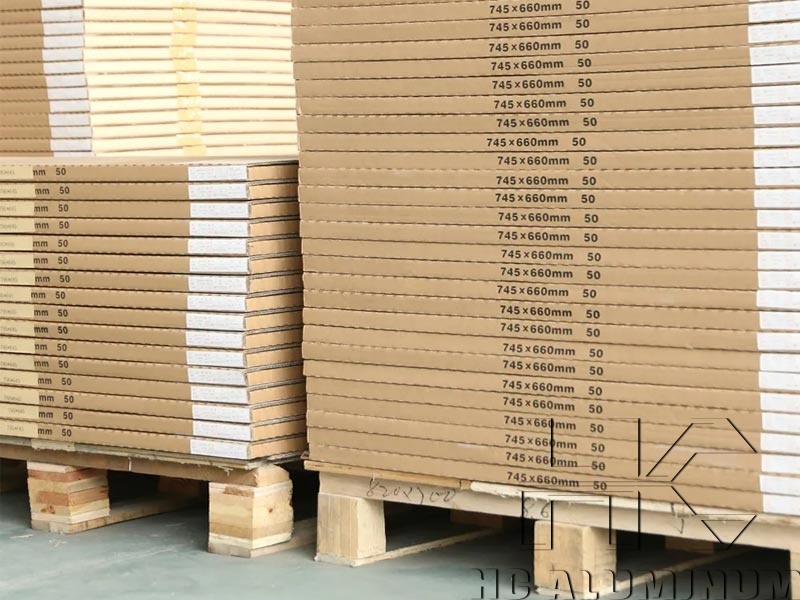
Important purchasing criteria include substrate quality, coating consistency, sensitivity, resolution, run-length expectations, processor compatibility, plate gauge options, and packaging protection. Plates should be packed to resist moisture, scratches, edge damage, and deformation during transport. This is especially important for export shipments where plates may experience extended warehousing and multiple handling stages.
Conventional offset printing plates remain a sound choice for printers that value dependable production, controlled investment, and proven lithographic performance. With the correct plate specification and disciplined processing conditions, they continue to deliver the clean, repeatable print quality that commercial customers expect.
PRODUCTS
ONLINE CONSULTATION
If you have any questions, please contact us and we will contact you as soon as possible.


Leave A Message
If you are interested in our products and want to know more details, please leave a message here, we will reply you as soon as we can.