
News
Double layer printing plates are designed for printers who need more than basic image transfer. In commercial offset work, a plate is not just a consumable; it is a control point for dot reproduction, ink-water balance, press uptime, and job consistency. When a printer handles long-run packaging, high-volume brochures, books, labels, or repeated brand color work, plate stability becomes directly connected to profitability.
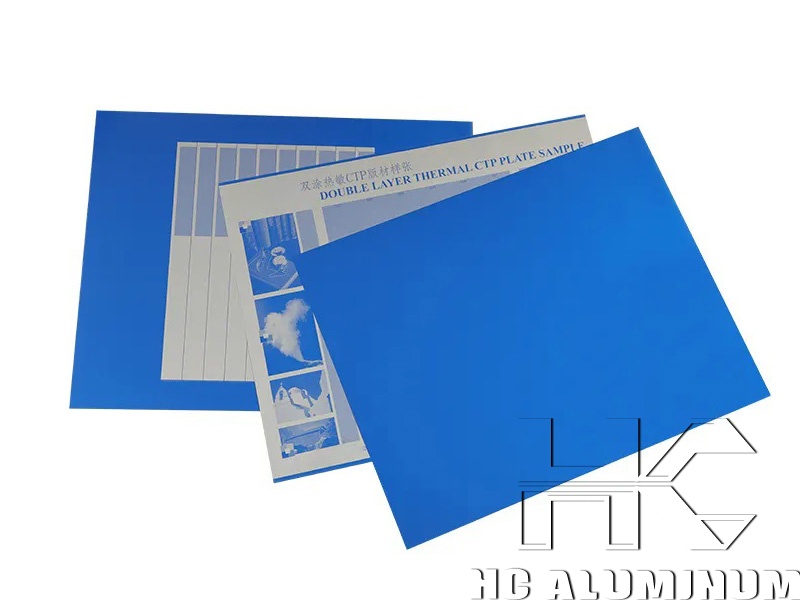
A double layer plate uses two functional coating layers on a high-quality aluminum substrate. Each layer has a different responsibility. The upper layer is optimized for imaging response and development behavior, while the lower layer reinforces adhesion, chemical resistance, and press durability. This structure gives the plate a wider operating window than many single-layer products, especially when exposure, processor condition, fountain solution, or press speed changes during real production.
What Makes a Double Layer Plate Different?
In a conventional single-layer plate, one coating must perform several jobs at once: absorb laser energy, form a sharp image, resist developer attack, hold ink in image areas, and survive mechanical friction on press. That is possible for standard jobs, but it leaves less tolerance when production conditions become demanding.
With double layer printing plates, the coating system is separated more intelligently. The imaging layer can be formulated for clean exposure response and fine dot reproduction. The supporting layer can be engineered for stronger bonding to the anodized aluminum base and better resistance against solvents, fountain solution, and abrasion. This is why double layer positive thermal plates are often selected by printers who want both high sensitivity and long run length.
For example, a catalog printer producing 150,000 impressions per form may experience gradual dot wear with ordinary plates, especially in highlight areas. A well-made double layer plate helps maintain dot integrity longer, reducing the need to remake plates or adjust ink density during the run. The result is not only fewer interruptions, but also better visual uniformity from the first sheet to the last pallet.
Key Technical Advantages for Offset Printers
1. Wider exposure latitude
Exposure latitude matters because no platesetter, processor, or working environment remains perfectly constant forever. Dust on optics, laser energy drift, processor temperature variation, or developer aging can all influence plate performance. Double layer coatings usually provide a more forgiving imaging response, helping printers maintain clean highlights, solid shadow areas, and stable midtones.
This is particularly useful for trade shops and printing houses running multiple plate sizes or mixed job types in one shift. A plate with narrow latitude may perform well in ideal laboratory conditions, but production floors need practical robustness.
2. Better chemical resistance
Modern pressrooms may use alcohol-reduced or alcohol-free fountain solutions, aggressive washes, UV inks, or special paper coatings. These materials can challenge the image layer of a plate. The lower functional layer in a double layer plate improves resistance to chemical attack and helps protect the image area during long or repeated runs.
If your plant prints packaging with frequent blanket washing, or uses stronger cleaners for fast color changeovers, this resistance becomes valuable. It helps reduce image weakening, toning, and premature plate failure.
3. Stronger run length potential
Run length depends on many variables: press condition, paper dust, ink system, dampening balance, packing pressure, and operator practice. Even so, plate construction is a major factor. Double layer printing plates are commonly chosen where durability is more important than the lowest plate price.
For a book printer, a plate that lasts reliably through long signatures can prevent mid-run plate changes. For a packaging printer, it can protect brand consistency across repeat orders. For a newspaper or semi-commercial printer, it can reduce waste caused by unstable startup behavior.
4. Sharp dots and cleaner non-image areas
A good plate should reproduce fine screens, small text, barcodes, QR codes, and delicate line art without filling or breaking. Double layer plates support sharp dot formation because the imaging layer can be tuned for controlled solubility and clean development. At the same time, the base layer supports clean non-image areas, reducing the risk of background scumming when dampening conditions fluctuate.
Printers who already use a standard Offset Printing Plate often consider a double layer option when they need better tolerance for long runs, UV ink, or high-resolution commercial work.
Where Double Layer Printing Plates Perform Best
Double layer plates are suitable for many offset applications, but they show their value most clearly in demanding production environments.
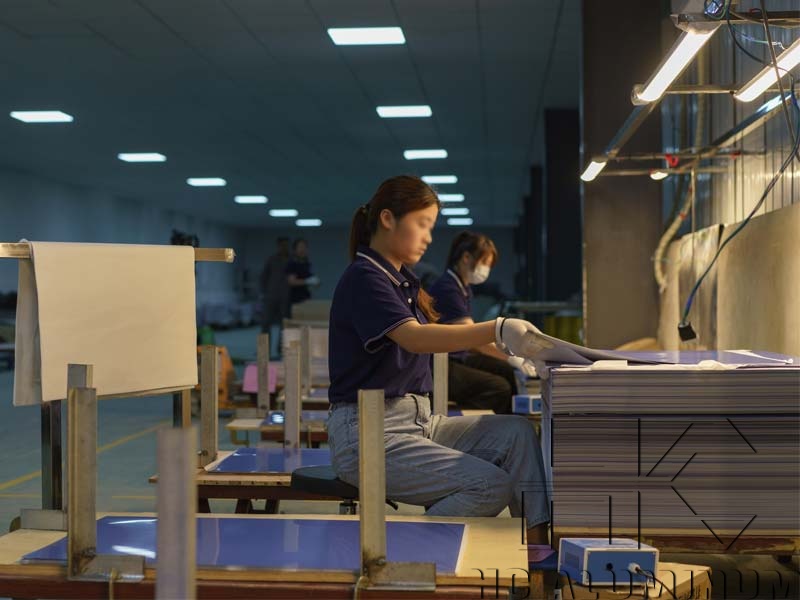
In commercial printing, they are useful for magazines, brochures, posters, manuals, and premium marketing materials where dot gain control and color stability matter. In packaging, they help with long runs, solid ink coverage, fine reverse text, and repeat jobs requiring consistent brand color. In book printing, they support uninterrupted production and stable text sharpness over extended impressions.
A practical example is a printer producing pharmaceutical cartons with small legal text, fine rules, and dense spot colors. Plate failure or dot variation is not acceptable because both readability and brand appearance are critical. A double layer plate gives the operator more confidence when balancing image sharpness, press speed, and run durability.
Another example is a commercial printer running coated paper in the morning and uncoated paper in the afternoon. Paper dust, dampening changes, and wash-up frequency can affect plate life. A stronger coating structure can reduce performance swings between these job types.
Compatibility with Thermal CTP Workflows
Many double layer products are thermal CTP plates, especially positive-working thermal plates used with 830 nm platesetters. Thermal imaging is valued because it offers stable energy control, daylight handling under suitable conditions, and reliable dot reproduction. When combined with double layer coating technology, thermal plates can deliver a practical balance of sensitivity, development latitude, and press endurance.
Printers evaluating Thermal Plates should consider not only exposure energy, but also developer compatibility, plate cleaner tolerance, storage stability, and performance with their actual ink and fountain solution system. A plate that looks good in a short test may not be the best choice for a 100,000-impression job with frequent stops and wash-ups.
How to Select the Right Double Layer Plate
When choosing double layer printing plates, I recommend checking five points before placing regular orders.
First, match the plate to your platesetter output power and resolution. Stable imaging is the foundation of all later performance. Second, test it with your current developer and replenishment settings. Processor chemistry can make a strong plate look weak if the parameters are wrong. Third, run a real production job rather than only a short proof test. Long-run behavior reveals coating strength more honestly. Fourth, evaluate dot reproduction with measurable targets, not only visual judgment. Fifth, review packing and storage conditions, because humidity, temperature, and handling can influence plate consistency before imaging.
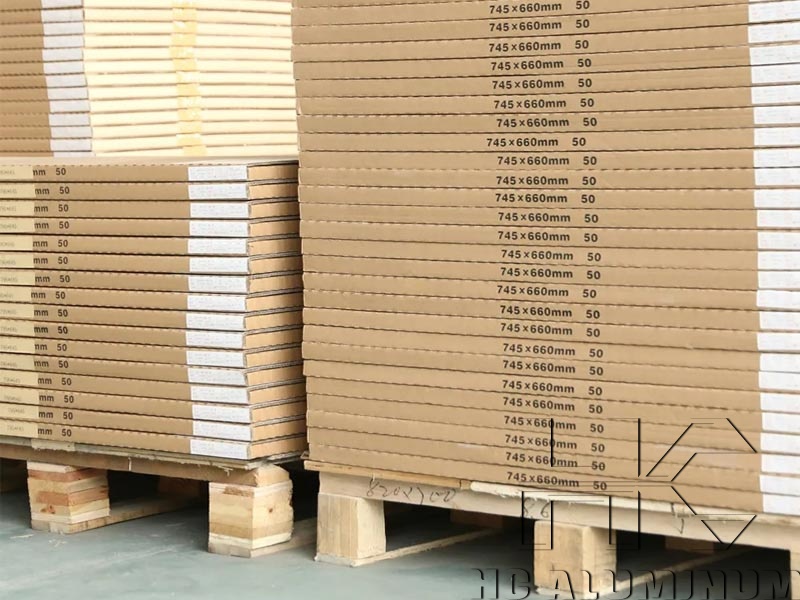
Packaging also deserves attention. Exported plates must be protected from moisture, bending, edge damage, and light exposure. Reliable palletizing, moisture-proof wrapping, and clear batch identification help distributors and printers reduce risk during sea freight, warehousing, and local delivery.
A Plate Choice That Affects the Whole Pressroom
The value of double layer printing plates is not limited to longer plate life. Their real strength is process stability. A plate with better latitude reduces the pressure on operators, processors, and press settings. It helps keep makeready predictable, protects image quality during long production, and lowers the chance of unexpected downtime.
For buyers, the lowest plate cost per square meter is not always the lowest production cost. If a slightly stronger plate prevents one remake, one press stop, or one rejected pallet, the saving can be much larger than the price difference. That is why many experienced printers treat double layer plates as a performance investment rather than a simple consumable purchase.
For manufacturers and exporters like HC Aluminum, consistent coating, precise aluminum surface treatment, strict quality inspection, and reliable packaging are essential. A good double layer printing plate should arrive at the customer's plant ready for stable imaging, clean development, and dependable press performance. That is the standard serious printers expect, and it is the standard double layer technology is built to support.
PRODUCTS
ONLINE CONSULTATION
If you have any questions, please contact us and we will contact you as soon as possible.


Leave A Message
If you are interested in our products and want to know more details, please leave a message here, we will reply you as soon as we can.