
News
When I discuss an aluminum thermal CTP plate with a print buyer or a pressroom manager, I usually avoid the marketing shortcuts. The real value of a thermal plate is not the word "thermal", it is the predictability: predictable imaging, predictable development, predictable dot retention on press, and predictable run length across different jobs and operators. If your plant runs a mixture of commercial work, packaging, and high-coverage designs, that predictability turns directly into fewer remakes and more stable color.
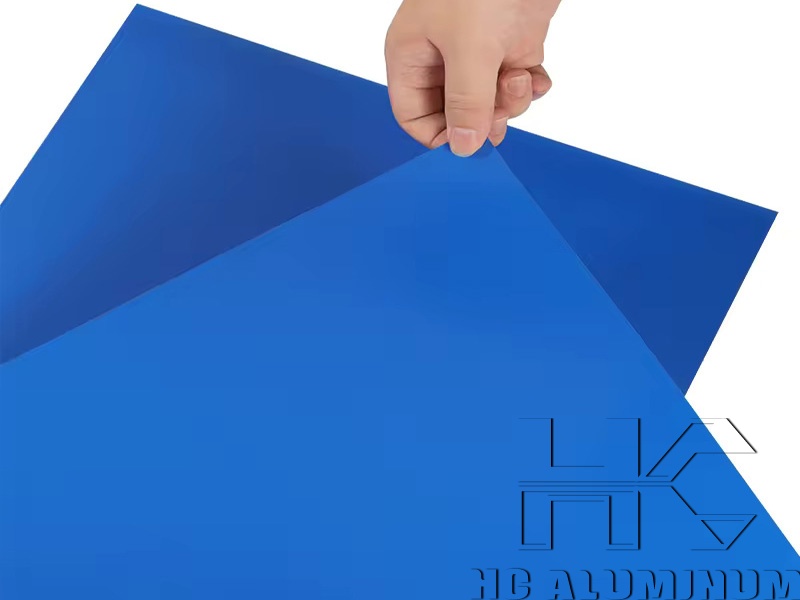
What "aluminum thermal CTP plate" really means
A thermal CTP plate is an offset printing plate designed to be imaged by a thermal CTP device (typically 830 nm). "Aluminum" is not just the substrate material; it is an engineered base that must provide:
High mechanical strength for clamping, bending, and long press runs
A controlled micro-rough surface for water retention and ink/water balance
A stable anodic layer to anchor the coating and resist abrasion
In production terms, you are buying a system: aluminum base + electrochemical surface + photosensitive coating (and sometimes additional top layers). The best performance comes when these layers are tuned to work together rather than optimized in isolation.
The plate structure: why each layer matters on press
An aluminum thermal CTP plate is usually built around the following functional stack:
Aluminum base (alloy + grain)
The alloy choice and graining method affect surface uniformity and the "feel" of the plate in development and press start-up. Uniform graining contributes to uniform dampening response.Anodized layer
Anodizing builds a porous aluminum oxide layer. The porosity and thickness influence coating adhesion and wear resistance. Too thin and you risk premature wear; too thick or inconsistent and you may see development sensitivity shifts.Thermal-sensitive coating
This is where imaging happens. The coating chemistry determines sensitivity, dot formation, contrast, and the latitude you have when your processor conditions drift.Protective/topcoat (on many models)
Helps with handling, anti-scratch behavior, and sometimes improves imaging robustness.
This is also why plate performance differences are very real even when two suppliers quote the same "run length" number.
Imaging behavior: why thermal plates are trusted for stability
Thermal imaging is valued because it tends to be less sensitive to ambient light and offers stable imaging across time. In practical pressroom terms, stability shows up as:
Clean highlight dots that don't collapse after development
Consistent midtone dot gain behavior from job to job
Sharper microtext and line work, especially on higher screen rulings
A useful way to think about thermal imaging is "energy threshold discipline". When exposure energy is well matched to the plate, you get a wide process window: small variations in laser power or focus do not immediately create scumming, weak solids, or broken halftones.
Illustrative example: 175–200 lpi commercial work
On a 175–200 lpi brochure job with delicate skin tones and gradient backgrounds, the aluminum thermal CTP plate's advantage is not only resolution; it is repeatability. If you rerun the job three months later, the plate's dot formation and development behavior should stay consistent enough that your previous press curve and ink keys remain a reliable starting point.
Development and processing: what good plates allow you to control
Most thermal plates in the field are processor-developed (though process-free options exist as well). For processor-developed aluminum thermal plates, clients typically care about three things:
Developer latitude: the plate should tolerate reasonable fluctuations without sudden background tinting or image loss.
Low debris tendency: stable coating dissolution reduces sludge and keeps brushes and filters healthier.
Fast press start: the plate should reach ink/water equilibrium quickly, reducing waste sheets.
If you are evaluating a plate, ask to run a controlled test where only one variable changes (developer conductivity, temperature, dwell time, or replenishment). The "best" plate is usually the one that remains printable and clean across the widest realistic range, not the one that looks perfect in ideal lab conditions.
Run length: what it depends on (and what it doesn't)
Run length is commonly quoted as a single headline number, but in reality it depends on:
Coating durability + anodic wear resistance
Ink type and coverage (heavy solids and abrasive inks shorten life)
Fountain solution discipline (too aggressive chemistry can attack the plate)
Press condition (roller settings, blanket condition, and plate cylinder cleanliness)
Illustrative example: long-run catalogs vs. short-run commercial
A catalog with repeated forms and moderate coverage tends to favor long, stable runs; a robust anodized layer and durable coating matter most.
A short-run commercial mix with frequent plate changes favors fast start-up, strong anti-scumming behavior, and consistent development at higher throughput.
If your plant runs both, it often makes sense to standardize on a high-stability thermal plate family and choose variants (for example, different coating architectures) rather than switching brands frequently.
Selecting the right thermal plate: questions I recommend asking
Instead of starting with price, start with the way you print:
What is your typical screening and file profile? (FM screening, 200 lpi, stochastic work)
Do you prioritize fastest make-ready or maximum run length?
What is your processor control level? (tight chemistry control vs. "real-world drift")
Do you need high scratch resistance for rough handling?
Will you bake plates? (if you bake, confirm compatibility and expected run length after baking)
When a plate supplier answers these with real technical data and clear tradeoffs, that is usually a good sign.
Where aluminum thermal CTP plates fit in a modern prepress line
A thermal plate is often the "quiet workhorse" in offset: it doesn't ask for special lighting, it doesn't demand fragile handling, and it supports a disciplined color workflow. If you are updating your plate portfolio or qualifying a new supplier, compare like with like: same exposure conditions, same processor settings, same press form, and preferably the same operator.
For buyers who want to see a broader range of options and specifications, our CTP Plates category is a useful starting point, and if you are specifying a dedicated thermal product line, you can review our Thermal CTP Plate page for typical configurations and supply scope.
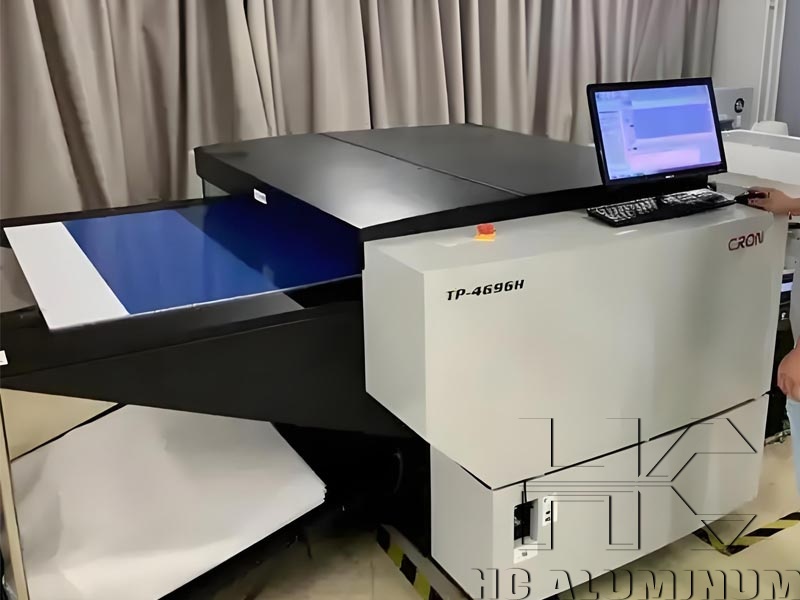
Practical handling tips that protect plate performance (and reduce hidden costs)
Even the best aluminum thermal CTP plate can be compromised by avoidable handling errors. The following practices consistently reduce remakes:
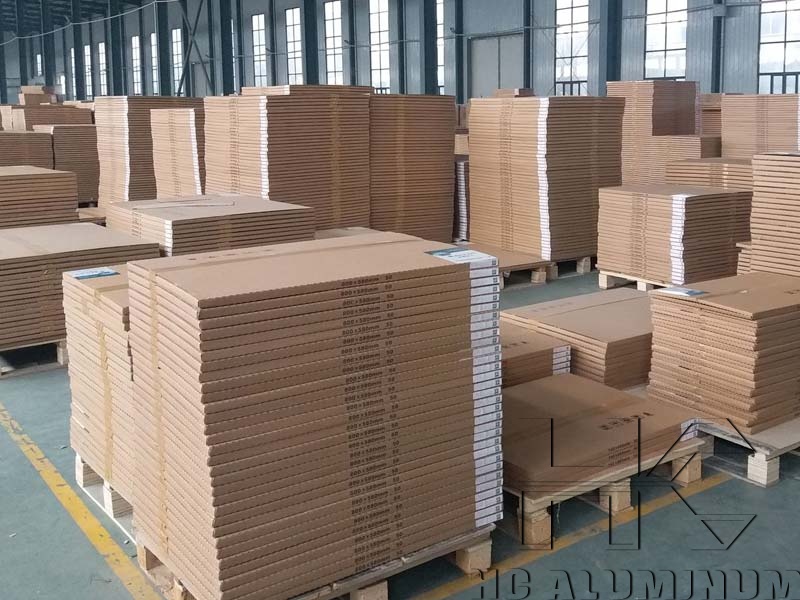
Store plates in a stable environment and keep packaging intact until use.
Avoid touching the imaging surface with bare hands; fingerprints can create local development variation.
Control processor maintenance: brush pressure, filter condition, and replenishment are not "small details" when you run high screen rulings.
Standardize exposure calibration on the CTP device and recheck after laser service.
What a good qualification test looks like (a simple template)
If you are qualifying an aluminum thermal CTP plate for your pressroom, I recommend a test form that includes:
A full tonal scale (1–99%)
2–4 screen rulings you commonly use
Fine text and reversed text
Solid patches at different ink densities
A controlled overexposure/underexposure strip to map the process window
Run it through your normal workflow, then repeat with a small, intentional change in processor condition (within what realistically happens on a busy week). The plate that remains clean, stable, and easy to start is the one that will save you money in day-to-day production.
PRODUCTS
ONLINE CONSULTATION
If you have any questions, please contact us and we will contact you as soon as possible.


Leave A Message
If you are interested in our products and want to know more details, please leave a message here, we will reply you as soon as we can.