
News
UV printing plate is a light-sensitive offset plate designed to create a printable image after exposure to ultraviolet light, followed by development and finishing. It remains a highly practical choice for commercial printers, packaging converters, book printers, and regional print operations that use conventional plate-making equipment or UV-CTP systems.
Although digital workflows are increasingly common, UV plate technology continues to earn its place where reliable image quality, manageable investment, and flexible production capacity matter. A well-made UV printing plate can reproduce fine text, clean halftones, and solid ink areas with stable on-press behavior. For a print buyer, this means fewer interruptions. For a printer, it means predictable plate making and better control of waste.
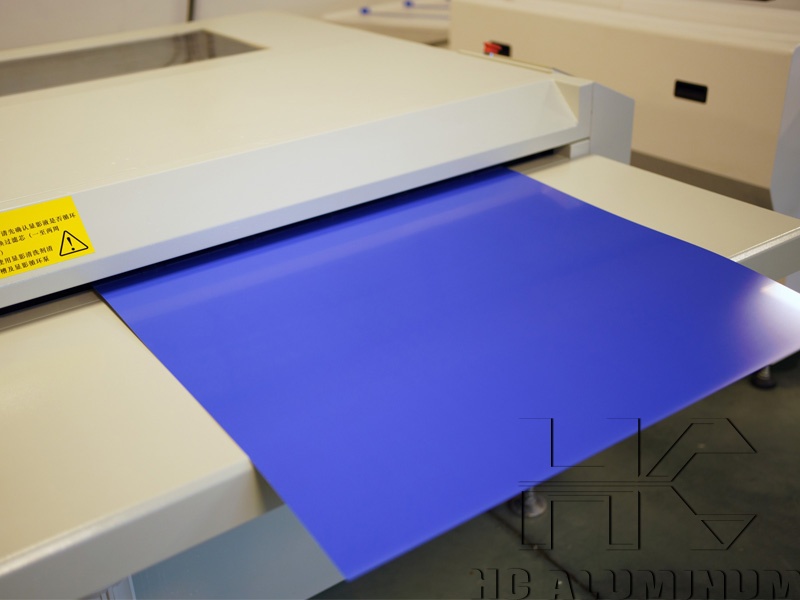
What Is a UV Printing Plate?
In most offset applications, the term UV printing plate refers to a presensitized aluminum plate coated with a UV-responsive layer. The aluminum base is mechanically grained and anodized to create a hydrophilic, water-retaining surface. Its coating forms the image area after exposure through film or direct imaging with a suitable UV light source.
The basic operating principle is based on the separation of water and ink. During printing, the non-image area accepts fountain solution and rejects ink, while the image area accepts ink and repels water. This balance is fundamental to offset lithography. Plate quality influences how easily that balance is achieved and how consistently it is maintained during a production run.
A UV plate should not be confused automatically with a plate for UV ink printing. Some offset plates can print with UV-curable inks, but compatibility depends on the plate coating, press chemistry, fountain solution, wash-up products, and expected run length. When UV inks are used, the printer should verify chemical resistance and press suitability with the plate supplier before full-scale production.
Why Printers Continue to Choose UV Plates
The value of a UV printing plate is not merely its purchase cost. Its real value is found in the complete production chain: exposure latitude, development tolerance, dot reproduction, press start-up time, and consistency from batch to batch.
A quality UV plate offers several practical advantages:
Compatible workflow: Suitable for conventional plate exposure systems and many UV-CTP workflows.
Strong image definition: Supports sharp type, barcode lines, screen tints, and detailed illustrations.
Operational familiarity: Many print rooms already have the equipment and process knowledge required.
Cost-effective production: Often a sensible option for printers seeking dependable plate making without converting the entire prepress department.
Application flexibility: Appropriate for commercial sheets, forms, manuals, labels, educational materials, and selected packaging work.
For example, a commercial printer producing 5,000 product catalogs may prioritize smooth tonal transitions in photographs and crisp 6-point text. A UV plate with stable coating sensitivity and consistent development response helps preserve both. In another case, a forms printer may value clean linework and reliable non-image desensitization more than very long run length. The ideal plate specification should follow the job requirement, not a generic assumption.
Plate Construction Determines Press Performance
A UV printing plate begins with aluminum coil or sheet material selected for flatness, thickness control, and surface quality. The substrate is grained to create a uniform microstructure, then anodized to improve hardness, corrosion resistance, and water retention. The light-sensitive coating is applied under controlled conditions so that sensitivity and coating weight remain consistent across the plate.
This manufacturing discipline matters on press. Uneven graining can affect water balance. Inconsistent coating can lead to uneven exposure response, premature wear, or weak image areas. Poor packaging may allow scratches, oxidation, or edge damage before the plate even reaches the prepress room.
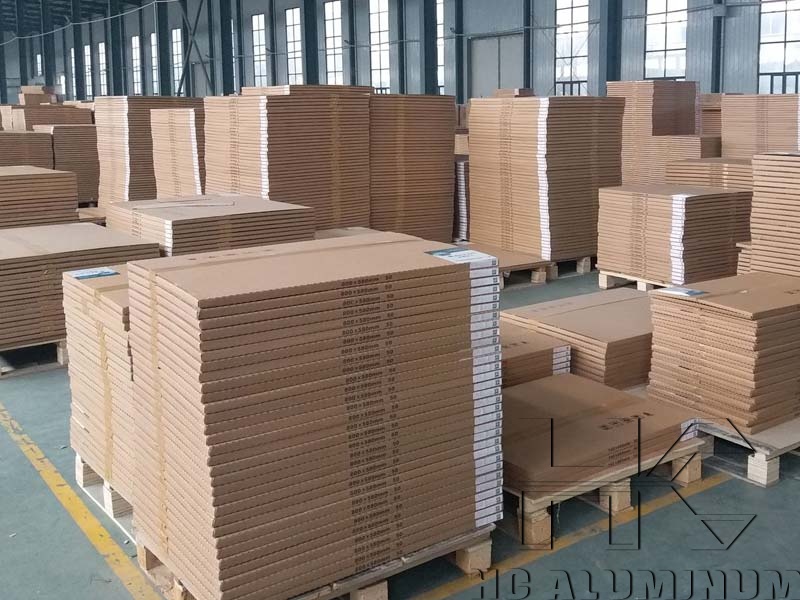
When evaluating a supplier, I recommend looking beyond a single sample sheet. Ask about batch consistency, substrate origin, coating control, safe-light requirements, shelf life, recommended developer, and plate storage conditions. A plate that performs well once but changes behavior between shipments creates hidden costs through remakes, longer press adjustments, and operator frustration.
Exposure, Development, and Process Control
UV plates are sensitive to process discipline. The exposure energy must be sufficient to form a durable image without overexposure that may reduce fine-detail performance. Exact settings vary according to plate chemistry, lamp output, vacuum-frame condition, film density, and processor configuration.
For film-based plate making, dense film positives, clean glass, strong vacuum contact, and regularly measured lamp output are essential. Weak vacuum contact can cause undercutting at image edges, particularly in fine text and halftone dots. Aging lamps may appear to operate normally while delivering insufficient energy for stable plate exposure.
Development is equally important. Developer concentration, temperature, replenishment, brush condition, and dwell time should be monitored. If development is too aggressive, delicate dots can weaken. If it is insufficient, residual coating may cause scumming or tinting in non-image areas. A controlled processor is more valuable than frequent operator corrections.
Printers using plate-making workflows alongside other printing plates should maintain separate, documented process settings for each plate type. Small differences in chemistry can significantly affect plate behavior.
Selecting the Right UV Printing Plate
The best UV printing plate is selected by matching technical properties to the actual press environment. Important selection factors include:
Plate thickness: Common thicknesses include 0.15 mm, 0.20 mm, 0.30 mm, and 0.40 mm. The correct choice depends on press format, clamping system, and cylinder requirements.
Run length: Expected impressions should be discussed honestly. A short-run commercial job and a long-run publication job may need different coating durability.
Resolution requirement: Fine screens, small reverse text, security patterns, and detailed line art require dependable dot retention.
Exposure equipment: Confirm whether the plate is intended for conventional UV exposure, UV-CTP imaging, or another system.
Ink and chemistry: Conventional inks, UV inks, fountain solution, and cleaning agents all affect plate life.
Storage and climate: Plates should be stored flat in their original packaging, protected from heat, humidity, and direct light.
For printers moving from older analog workflows toward more controlled prepress, a suitable presensitized plate can provide a practical bridge between established equipment and modern production expectations.
Common Problems and How to Avoid Them
Scumming, weak images, blinding, early wear, and inconsistent press start-up are often blamed on the plate alone. In practice, they can arise from several connected variables. A useful troubleshooting method is to check exposure, developer condition, gum application, fountain solution, ink-water balance, and blanket pressure before changing plate brands.
Consider a printer experiencing image wear after only a few thousand impressions. If the plate was correctly exposed and developed, the cause may be overly aggressive wash-up chemicals, excessive dampening, abrasive paper stock, or unsuitable UV ink chemistry. Conversely, a plate that shows scumming in non-image areas may be underdeveloped, improperly stored, or exposed through contaminated film.
The most dependable results come from treating the UV printing plate as part of a controlled system rather than an isolated consumable. With appropriate plate selection, calibrated exposure, disciplined processing, and compatible press chemistry, UV plates continue to provide a reliable and commercially sound solution for high-quality offset printing.
PRODUCTS
ONLINE CONSULTATION
If you have any questions, please contact us and we will contact you as soon as possible.


Leave A Message
If you are interested in our products and want to know more details, please leave a message here, we will reply you as soon as we can.