
News
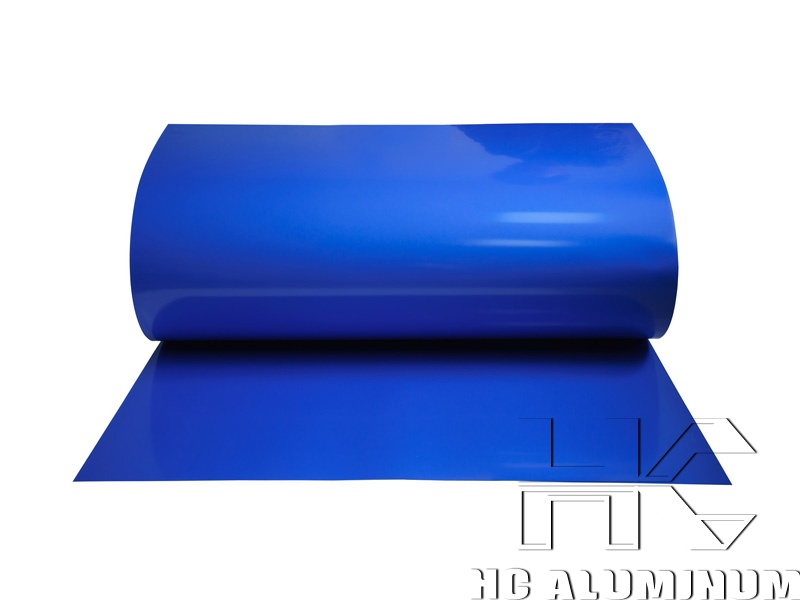
Violet positive CTP plates occupy a very practical "sweet spot" in offset prepress: fast 405 nm imaging, clean positive-working chemistry, and a cost structure that makes sense for high-throughput commercial work. When a print buyer asks me whether violet is "older" than thermal, I usually answer this way: it is not about old or new, it is about fit. If your shop values speed, stable day-to-day operation, and a predictable total plate cost (plate + chemistry + maintenance), violet positive plates can be a highly rational choice.
|
What a violet positive CTP plate is (in operational terms)
A violet positive CTP plate is a positive-working, photosensitive lithographic plate designed for violet laser imaging, typically around 405 nm. "Positive-working" means the imaged (exposed) areas become more soluble in developer and are removed during processing, leaving the non-image areas protected by the remaining coating.
For the pressroom, that positive-working mechanism translates into two things clients care about immediately:
Predictable highlight and midtone behavior when the plate is correctly calibrated.
Stable background cleanliness because the development step is straightforward and the coating is engineered for consistent dissolution in the developer.
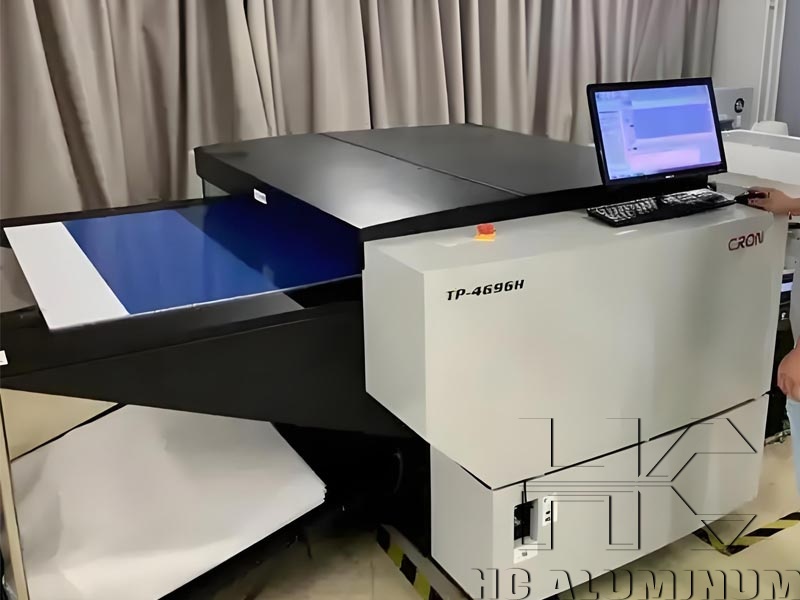
Many plants choose violet positive because it pairs well with high-speed violet CTP devices and is very competitive for short-to-medium run lengths typical in commercial printing, inserts, manuals, labels (where applicable), and general jobbing.
Why violet imaging can be a productivity advantage
Violet exposure systems can be extremely productive. In daily production, the "speed advantage" is not only about plates per hour; it is also about how quickly the whole workflow stabilizes after plate changes, job changes, and shifts.
Key productivity factors include:
High imaging throughput at 405 nm, especially on systems optimized for violet diodes.
Efficient make-ready when dot gain targets are met consistently (less time chasing tone with the same file).
Lower energy requirements at imaging compared with some thermal configurations, which can be relevant in high-volume operations.
A practical note from the field: the best violet workflows I've seen are disciplined about plate handling (light control), calibration, and developer management. When those three are treated as "process parameters," violet positive plates run with very little drama.
Plate construction and what it means on press
While formulations vary by manufacturer, the performance priorities are similar: fine grain electrochemically treated aluminum, robust coating adhesion, and a receptive surface that supports stable water/ink balance.
When evaluating violet positive CTP plates, the details that matter to an experienced buyer are not marketing phrases; they are measurable outcomes:
Resolution and dot fidelity: clean micro-dots, stable 2–98% (application-dependent) after proper calibration.
Background performance: fast roll-up and low tendency for scumming when chemistry is maintained.
Run length expectation: dependent on press conditions, paper, fountain solution, and whether baking is used. (If your application truly requires long-run performance, discuss baking and plate type selection early.)
If your purchasing team is comparing platforms, keep the conversation grounded in your own KPI set: acceptable plate waste rate, acceptable calibration frequency, typical run lengths, and tolerance for chemistry maintenance.
Processing window: where real savings are won or lost
Violet positive plates are generally processed with standard positive plate developers in a controlled processor environment. The "plate price" is never the full story; the processor is the hidden engine of plate consistency.
To keep output stable, pay attention to:
Developer activity and replenishment: under-replenishment often shows up as incomplete clearing in image areas; over-replenishment can accelerate coating attack and shorten latitude.
Temperature control: small shifts can change development speed and dot behavior.
Dwell time and brush condition: mechanical wear and chemistry interact; a tired brush can create intermittent defects that look like imaging issues.
Illustrative example:
A commercial printer running mixed work (text-heavy manuals in the morning, image-heavy brochures in the afternoon) reported frequent midtone drift. The root cause was not the RIP curve; it was developer exhaustion after peak plate loading. Once replenishment rate was adjusted to match real plate area processed (not just "per plate count"), the dot curve stabilized and remake plates dropped noticeably.
Where violet positive plates fit best
Violet positive CTP plates are typically selected for operations that want reliable quality at a competitive cost per square meter, without over-specifying the plate.
Common sweet spots include:
Short to medium runs where plates need to image quickly and repeatably.
High job turnover environments where uptime matters as much as absolute maximum run length.
Plants standardizing across multiple presses and needing consistent behavior and fast training for operators.
If you are reviewing your plate portfolio, it's worth comparing violet positive with adjacent categories. For example, if your plant also runs thermal workflows, you might evaluate a Positive Thermal CTP Plate for jobs that require different robustness targets or process preferences. And if your press mix spans multiple formats and substrates, aligning the plate choice with the application is crucial; in that context, CTP Plates For Offset Printing can be a useful reference point when defining a standard.
Quality control checkpoints your team can use immediately
A technical buyer or production manager typically wants a plate that "just behaves." The most effective way to guarantee that is to agree on measurable QC checks with your supplier.
Practical checkpoints:
Solid ink density stability and toning resistance after standard press start-up.
Minimum dot holding (e.g., stable 2–3% dots under your screening and paper conditions).
Clean-out latitude in processing: ability to clear fully without over-developing fine dots.
Coating robustness in handling: resistance to minor scuffing during bending, punching, and mounting.
Illustrative example:
If a customer runs 175 lpi AM screening for commercial brochures and experiences highlight "pepper noise," the corrective action should proceed in order: confirm laser focus and energy, confirm processor parameters (temp/dwell/replenishment), then confirm plate storage/handling conditions. This avoids the common mistake of endlessly adjusting the RIP curve to compensate for a chemistry problem.
Storage, handling, and light discipline (the overlooked differentiator)
Violet-sensitive plates are, by design, more responsive to violet light. That is an advantage in imaging, but it also means storage and handling discipline matters.
Best practices that reduce waste:
Store plates in their original packaging in a cool, dry environment.
Minimize exposure to strong white light and UV-rich sources in the platemaking area.
Use FIFO inventory rotation and record lot numbers for traceability.
What to ask your supplier before you standardize
A rigorous supplier discussion should sound less like "What is your best price?" and more like "Can you support my process stability?"
High-value questions include:
What is the recommended imaging energy range for my CTP model, and what tolerance is realistic in daily production?
Which developer chemistry is recommended, and what are the replenishment guidelines based on processed area?
What run length should I expect under my conditions, and how does baking change that expectation?
What QC documentation and lot-to-lot consistency controls are in place?
If your goal is a plate program that reduces remakes, shortens make-ready, and keeps dots consistent across shifts, violet positive CTP plates can be an excellent foundation. The key is to treat the plate, the imager, and the processor as one system, then lock the parameters and manage them like any other production asset.
PRODUCTS
ONLINE CONSULTATION
If you have any questions, please contact us and we will contact you as soon as possible.


Leave A Message
If you are interested in our products and want to know more details, please leave a message here, we will reply you as soon as we can.