
News
For printers, converters, and print buyers who care about repeatable quality, aluminium offset plates remain one of the most important materials in the pressroom. They are not just consumables. They directly influence dot reproduction, ink-water balance, run length, startup waste, and the overall stability of offset printing. When plate quality is consistent, press operators feel it immediately: cleaner highlights, stronger solids, fewer interruptions, and more predictable results from job to job.
Aluminium has earned its place as the preferred substrate for offset plates because it combines mechanical strength, dimensional stability, controlled surface chemistry, and excellent compatibility with coating technologies. A well-manufactured aluminium offset plate begins with high-grade aluminium coil, but the real performance comes from the treatment sequence behind it: graining, anodizing, sealing, and precise coating application. Each of these steps affects how the plate accepts fountain solution, holds non-image areas clean, and supports sharp image transfer on press.
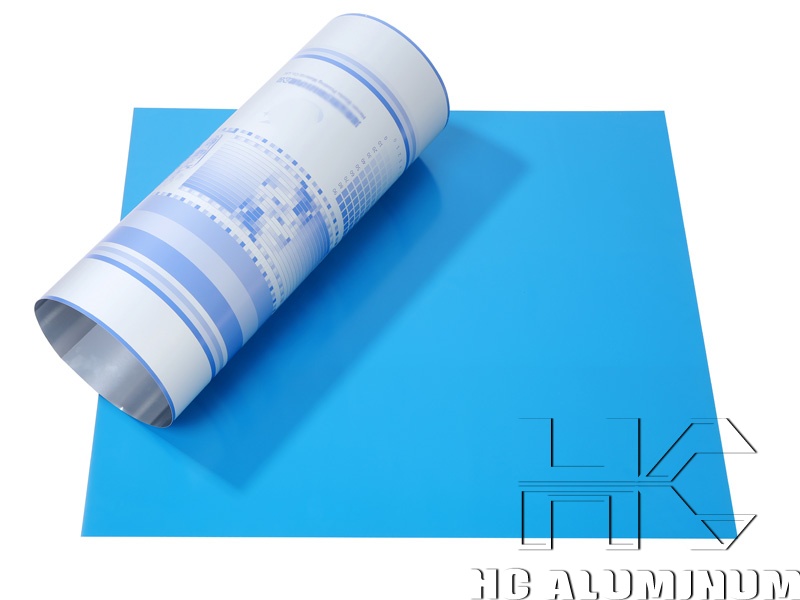
Why Aluminium Is the Standard in Offset Plate Manufacturing
Compared with less stable substrates, aluminium offers a practical balance of rigidity and processability. It stays flat, resists deformation during handling, and maintains registration accuracy during imaging and printing. This matters even more in high-speed commercial printing, newspaper production, and packaging work, where a slight variation in plate behavior can create noticeable differences in color consistency and image sharpness.
From a technical perspective, the anodized aluminium surface forms a durable oxide layer that improves hydrophilicity in the non-image area. That is one of the quiet reasons aluminium offset plates perform so well. Good water receptivity helps the plate maintain a clean separation between image and non-image areas, reducing scumming and toning while supporting a more stable ink-water balance.
This is also why many printers evaluating Offset Printing Plate options look beyond price alone. Plate chemistry, grain structure, and coating uniformity often determine whether the press reaches color quickly or loses time to adjustment.
The Structure of an Aluminium Offset Plate
An aluminium offset plate is more sophisticated than it appears. In most cases, it includes several functional layers:
Aluminium base for dimensional stability and mechanical support
Electrochemically grained surface to create micro-roughness for water retention
Anodized layer to increase durability and support coating adhesion
Photosensitive or thermal coating to define the image area during exposure
Protective or processing-related top layers depending on the plate type
If one layer is poorly controlled, the plate may still image, but its press behavior often becomes inconsistent. For example, uneven graining can affect water carrying capacity. Weak anodizing can reduce run length. Variable coating thickness can lead to exposure fluctuations and unstable development latitude.
Key Plate Types Used in the Market
Although the broad category is aluminium offset plates, the market includes several plate technologies designed for different workflows.
PS plates, also known as presensitized plates, are widely used in conventional offset printing. They are typically exposed with film and processed chemically. They remain relevant in markets where analog plate-making is still cost-effective and dependable.
CTCP plates use visible light imaging and are popular with printers seeking digital workflow advantages while managing equipment investment carefully.
Thermal CTP plates are common in demanding commercial and packaging environments because they offer strong imaging precision, excellent dot holding, and high process tolerance. For printers comparing workflows, modern Thermal Plates are often favored where consistency and long-run stability matter more than the lowest entry cost.
Process-free plates reduce chemistry usage and simplify prepress operations. They can be an effective option for printers focused on environmental goals, labor savings, and cleaner plate-making processes.
What Potential Clients Should Evaluate Before Buying
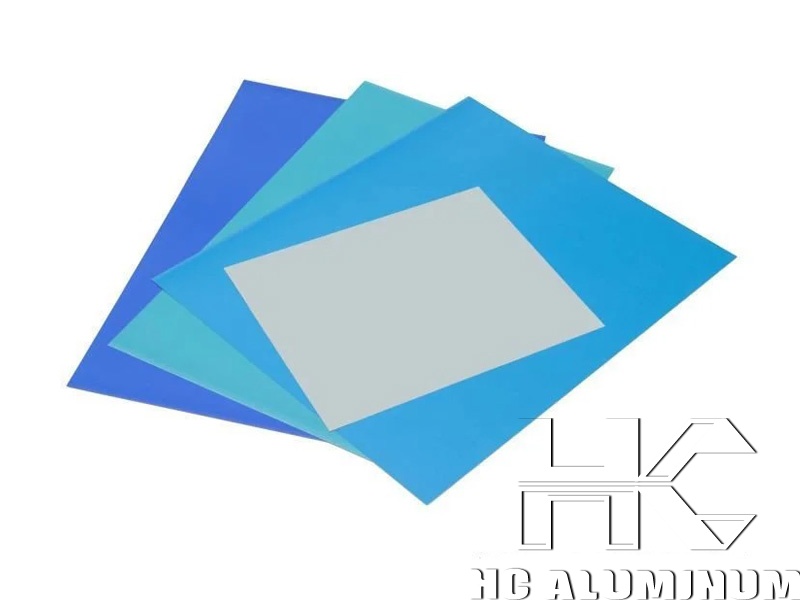
When customers ask whether one aluminium offset plate is better than another, the answer depends on the application. A serious evaluation usually includes the following points.
1. Imaging latitude
A good plate should tolerate minor exposure variation without losing highlight dots or plugging shadows. This gives prepress teams more operating flexibility and lowers remake rates.
2. Development performance
In conventional processed plates, the coating should develop cleanly and consistently. Poor development behavior often shows up as dirty backgrounds, weak fine text, or unstable reproduction of 1% to 3% dots.
3. Run length
Run length is never just a marketing number. It depends on press conditions, ink aggressiveness, fountain chemistry, blanket condition, and paper grade. Still, a robust aluminium offset plate should deliver reliable endurance for its intended market segment, whether that is short-run commercial jobs or extended packaging production.
4. Ink-water balance
Operators appreciate plates that come up fast and hold balance without constant intervention. This improves production rhythm and reduces paper waste at startup.
5. Scratch resistance and handling tolerance
Plates move through punching, bending, loading, and press mounting. A durable surface helps reduce damage during normal handling, particularly in busy production environments.
6. Batch consistency
This is often underestimated. Plate-to-plate consistency matters just as much as individual plate quality. Large print groups and trade shops especially need stable batch performance for standardized press settings.
A Practical Example from the Pressroom
Consider two printers producing the same 4-color retail insert. Printer A uses a plate with uneven coating sensitivity. Printer B uses a well-controlled aluminium offset plate with stable imaging behavior. Both jobs are imposed correctly and use comparable press conditions.
Printer A may encounter delayed color matching, weak highlight retention, and more startup sheets due to inconsistent plate response. Printer B is more likely to achieve target density faster, hold fine screens better, and complete the run with less intervention. The cost difference per plate may appear small at purchase, but the operational difference becomes significant when multiplied across daily production.
This is why experienced buyers often evaluate total manufacturing value rather than unit price alone. Better plates can reduce downtime, chemistry loss, remake frequency, and operator adjustment time.
Aluminium Offset Plates in Different Print Segments
In commercial printing, clients often prioritize tonal stability, fine text clarity, and rapid press startup.
In newspaper printing, speed, reliable imaging, and dependable performance under high-volume conditions are essential.
In packaging printing, plate durability and dot integrity become especially important because brand colors, barcodes, and small design elements must remain precise throughout the run.
In book and publication printing, consistency across repeat jobs matters greatly. Reprints must match earlier editions as closely as possible, and stable aluminium offset plates support that requirement.

What Good Plate Manufacturing Looks Like
From a supplier perspective, trustworthy aluminium offset plates come from disciplined process control rather than isolated claims. Clients should look for manufacturers that control raw material sourcing, electrochemical graining, anodizing depth, coating formulation, slitting precision, and packaging protection. A plate can be technically sound in the lab and still fail in export conditions if packaging is weak or humidity protection is poor.
Reliable suppliers of Printing Plates also understand that logistics, plate flatness, shelf life, and after-sales technical support are part of product performance. For overseas buyers, packaging integrity and batch traceability are particularly important because they affect the condition of the plates when they arrive at the plant.
Choosing the Right Plate Partner
For potential clients, the best aluminium offset plate is the one that fits the real production environment. That means matching the plate to the imaging system, processor conditions, press speed, ink set, fountain solution, and expected run length. A credible supplier should be willing to discuss these variables in detail rather than offering only generic specifications.
A professional plate partner will usually ask practical questions: What press are you running? What developer chemistry do you use? What line screen or FM screen is required? Is your work mostly commercial, newspaper, or packaging? Are you optimizing for lower cost, wider latitude, or longer runs? Those questions are not sales talk. They are how plate performance is matched to production reality.
Aluminium offset plates continue to be a foundation of dependable offset printing because they combine engineering discipline with pressroom practicality. When manufactured well and selected properly, they support sharper images, cleaner backgrounds, stronger run stability, and more efficient production. For printers who measure performance in usable output rather than theory, that difference is easy to recognize.
PRODUCTS
ONLINE CONSULTATION
If you have any questions, please contact us and we will contact you as soon as possible.


Leave A Message
If you are interested in our products and want to know more details, please leave a message here, we will reply you as soon as we can.