
News
Thermal CTP plates sit at the center of modern offset production because they solve a problem pressrooms feel every day: how to convert digital files into a press-ready image with repeatable dot formation, stable ink-water balance, and dependable run performance.
From a technical point of view, the advantage of a thermal system is not only that it images with a 830 nm thermal laser. It is that thermal imaging is inherently less sensitive to ambient light, and generally more tolerant of real-world handling conditions in plate rooms. For commercial printers producing short-to-medium runs, packaging converters managing heavier ink coverage, and plants running multiple shifts with different operators, consistency is the productivity multiplier.
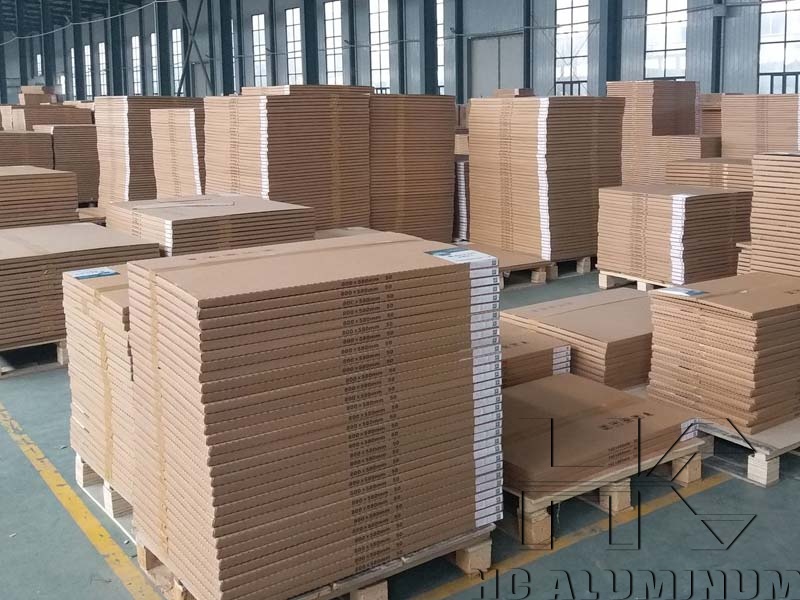
What a thermal CTP plate really does on press
A thermal plate is an aluminum-based lithographic plate coated with a heat-sensitive layer engineered to form hydrophilic (water-loving) and oleophilic (ink-loving) regions after imaging and processing (or, for specific chemistries, after imaging with simplified processing steps). In offset lithography the quality of that boundary line matters: it controls dot edge sharpness, tone value increase behavior, and the stability of solids.
In practical terms, a thermal plate is judged less by the datasheet headline and more by how it behaves across a full production week:
How quickly it reaches ink-water balance after mounting.
How stable the gray balance stays during long forms.
How resistant the plate is to scumming and toning when operators push water down to protect dot gain.
How well the plate tolerates press chemistry drift, especially in mixed job environments.
Thermal plates are often selected specifically for this predictability. When the plate surface and coating system are engineered correctly, the result is a forgiving plate that still delivers crisp screening.
Imaging performance: why thermal plates are the "quiet achiever"
A thermal CTP workflow typically uses 830 nm laser exposure and a controlled energy window. In day-to-day operation, the plate should provide:
Wide imaging latitude: stable results even as laser power and drum temperature drift within normal tolerances.
Low background sensitivity: reduced risk of fogging from plate room lighting compared with some UV-sensitive systems.
Dot integrity: strong highlight dot holding and clean microtext.
Illustrative example: a commercial printer running 200 lpi AM screening for catalogs often fights highlight instability (1–3% dots) when conditions fluctuate. A well-matched thermal plate and calibrated exposure curve typically stabilizes highlight dots so that the operator is not compensating on press by over-watering or chasing density.
Run length, abrasion resistance, and pressroom durability
Offset is a mechanical environment: blankets, paper lint, fountain solution, wash-ups, and occasional operator errors all challenge the plate. Thermal plate designs are commonly optimized for durability in several ways:
Abrasion resistance to reduce image wear on long runs.
Chemical resistance to fountain solution and press washes.
Strong coating-to-anodized aluminum adhesion to prevent image lifting.
Packaging is a clear case where durability becomes business-critical. Heavier ink coverage, frequent spot colors, and longer forms make plate robustness an economic decision: fewer remakes, fewer interruptions, and less risk of scrap during a high-value job.
Plate types and how to choose what fits your jobs
When buyers say "thermal CTP plate," they may mean different performance targets. Selection should be driven by application, not habit.
Positive vs. negative working thermal plates
Positive-working thermal plates are common for general commercial offset due to their predictable tone reproduction and broad compatibility. Negative-working plates can be attractive for specific workflows where chemistry and run length targets align.
A practical buying approach is to evaluate:
Target run length (unbaked vs baked scenarios)
Screening method (AM vs FM/hybrid)
Press chemistry discipline (stable vs variable)
Plate handling environment (plate room lighting, operator handling)
If your shop produces a mix of general commercial and higher-coverage packaging work, it is often worth standardizing on a thermal plate family that can be tuned (exposure/processing) rather than switching plate models frequently.
For product-specific selection, many buyers start from proven categories such as a dedicated thermal CTP plate for general offset work, then narrow by coating architecture, sensitivity window, and run length requirements.
Workflow efficiency: where thermal plates improve your total cost
Plate cost is only one line item. The larger number is the cost of instability: repeated calibrations, press downtime, and remakes.
Thermal CTP plates contribute to lower total cost through:
Faster makeready: more predictable ink-water balance reduces wasted sheets.
Reduced plate remakes: stable imaging reduces exposure-related defects.
Simpler plate handling: less sensitivity to safe-light conditions.
More consistent color: fewer mid-run adjustments and less operator intervention.
Illustrative example: on a 4-color press running frequent job changes, saving even 30–50 sheets per changeover adds up quickly. If the plate reaches stable balance earlier and maintains it, the press is spending more time producing sellable sheets rather than "finding" color.
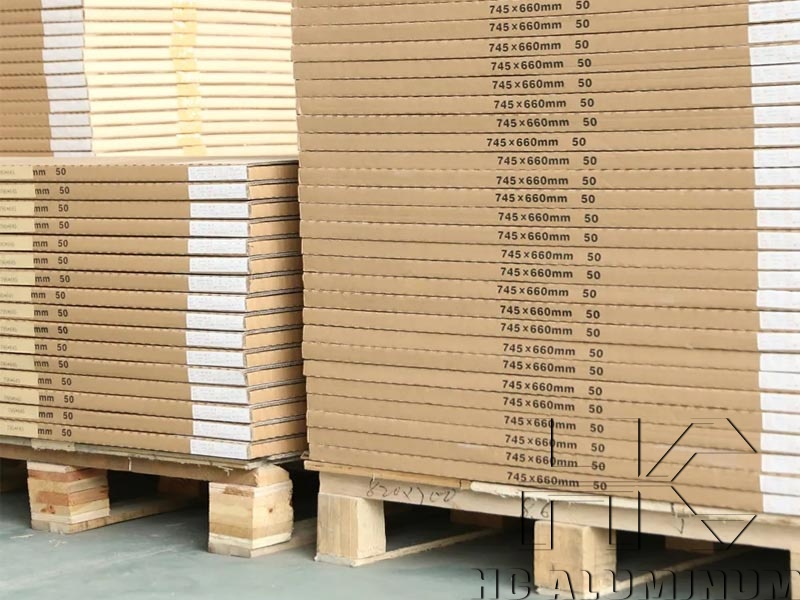
Quality checkpoints that matter when evaluating a supplier
A thermal plate should be evaluated like a process component, not like a commodity.
Key technical checkpoints include:
Coating uniformity and defect control: pinholes, coating streaks, and contamination show up as press artifacts.
Aluminum base quality: consistent graining and anodizing are foundational to water retention and image stability.
Batch-to-batch consistency: exposure latitude is only useful if sensitivity is stable across shipments.
Shelf life and storage tolerance: plates should maintain performance under real warehouse conditions.
A strong supplier should also be ready to support you with practical setup guidance (exposure targets, developer control windows, and curve suggestions) so your team spends less time experimenting.
Practical notes for getting the best results in production
Even an excellent plate will underperform if the workflow is neglected. These habits help thermal plates deliver their full value:
Calibrate exposure with a control wedge and re-check when seasons change or when the CTP head is serviced.
Monitor developer conductivity/temperature if using a processed system; small drifts can become visible as tone shifts.
Keep plate handling clean: fingerprints and dust become image defects faster than many operators expect.
Match plate choice to screening strategy: FM and hybrid screens can demand more from coating response and processing stability.
For teams comparing different plate constructions, it is helpful to review options such as a double layer CTP plate where the coating design may offer additional latitude or durability depending on the job profile.
Why thermal CTP remains a smart standard in offset
Offset printing keeps evolving, but the business pressure is constant: shorter lead times, more SKUs, tighter color expectations, and less tolerance for downtime. Thermal CTP plates are widely adopted because they deliver a calm, controllable imaging-to-press link. When the plate holds dots cleanly, balances quickly, and runs predictably, the entire plant benefits: prepress spends less time troubleshooting, press operators spend less time chasing density, and management sees lower waste and steadier throughput.
If you are evaluating thermal plates for your next purchase cycle, the most productive approach is to test against your real job mix: the most difficult screen you run, the longest form you print, and the press condition you actually live with. A thermal plate that remains stable under those conditions is the one that improves both quality and profitability.
PRODUCTS
ONLINE CONSULTATION
If you have any questions, please contact us and we will contact you as soon as possible.


Leave A Message
If you are interested in our products and want to know more details, please leave a message here, we will reply you as soon as we can.