
News
Processless thermal plates (also called processless CTP plates or process-free thermal plates) are not a nice-to-have novelty. They represent a practical shift in how modern offset printers control cost, variability, and sustainabilitywithout sacrificing repeatability on press.
If you have ever chased developer activity, fought processor roller marks, or lost time balancing replenishment rates against seasonal temperature changes, you already understand the real value: remove the wet process, remove a major source of instability. A processless thermal plate is imaged on a thermal CTP and goes directly to pressno developer bath, no gum processor, no rinse water loops, and far fewer points where a plate can be damaged between imaging and printing.
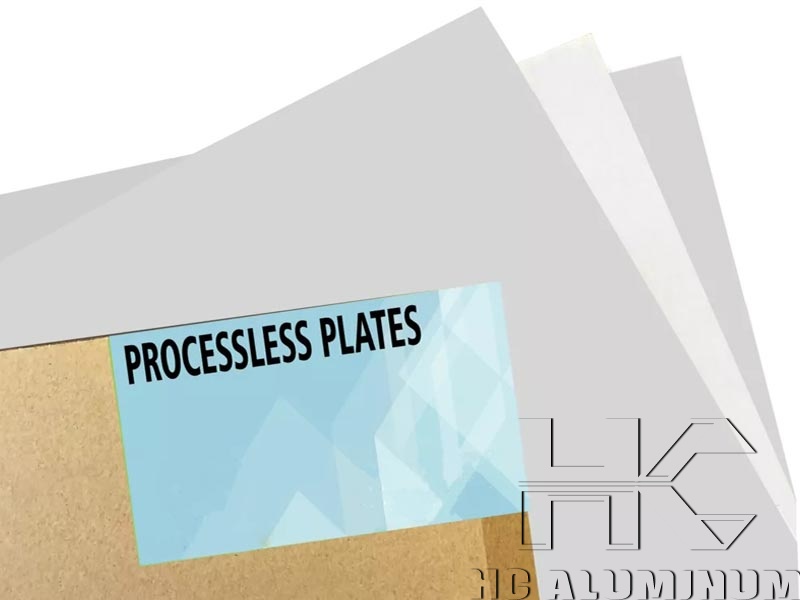
What processless actually means in thermal plate technology
A processless thermal plate is engineered so that the non-image areas are removed or deactivated on press (or by a simple non-chemical pre-treatment in some workflows), instead of being chemically developed in a processor. The plate coating is designed to respond to thermal laser exposure (typically 830 nm) so that:
Image areas become oleophilic and durable under press conditions.
Non-image areas are either released during the first revolutions, cleaned by fountain solution/ink balance, or remain hydrophilic.
This is not no control. It is a different control philosophy: shift from chemistry management to correct imaging, correct handling, and disciplined press start-up.
Key performance expectations (what buyers should evaluate)
When evaluating a processless plates for commercial offset printing, decision-makers should ask for hard, comparable metrics rather than marketing language:
Imaging energy latitude
The plate must tolerate real-world variation across different CTP heads, age of lasers, and optics cleanliness. A wider latitude helps multi-site printers standardize plate curves.Dot reproduction and stability
Look for consistent 199% dot capability (depending on screening), and pay attention to the behavior of highlights on press start. Good processless plates stabilize quickly once ink/water balance is reached.Run length and abrasion resistance
Run length depends on press condition, paper grade, ink system, and whether baking is used. A rigorous supplier should specify typical run lengths under defined conditions (e.g., commercial sheetfed vs. web).Clean-out behavior
The first 1050 sheets are where processless plates prove their engineering. A well-matched plate will clean quickly with minimal toning and without leaving stubborn coating residues that contaminate blankets.Storage and handling tolerance
Because there is no processor to forgive minor handling marks, a processless plate should still demonstrate good resistance to fingerprints, scuffing, and humidity swings when stored correctly.
Why many printers switch: the practical economics
The most visible benefit is eliminating developer and processor maintenance, but the deeper benefit is reducing hidden operational drag.
Cost categories that typically improve
Chemistry elimination: developer, replenisher, cleaner, and disposal.
Water and energy: rinsing, temperature control, processor power draw.
Maintenance: fewer rollers, pumps, filters, and scheduled cleanings.
Labor and downtime: fewer mystery issues that trace back to weak developer, contaminated tanks, or inconsistent replenishment.
Processless plates can also reduce plate remakes caused by processor-related artifacts (scratches, roller lines, crystallization, uneven development). Many plants underestimate how much time is lost not to the processor itself, but to troubleshooting the processor.

Implementation checklist: how to make processless succeed on your floor
A processless thermal plate is straightforward, but it rewards disciplined setup. Here is what I recommend verifying during trials:
1) CTP calibration and plate curve
Because development is not correcting exposure, imaging becomes the primary lever. Ensure:
Correct focus and power calibration on the thermal CTP.
Stable plate curve (TVI/compensation) aligned with your screening method (AM, FM, hybrid).
Clean platesetter environment to avoid dust that becomes visible in highlights.
2) Plate handling and staging
Use clean gloves where appropriate; avoid dragging plates on tables.
Keep the plate surface protected until mounting.
Follow storage guidance (temperature/humidity). Processless coatings are robust, but not immune to poor storage.
3) Press start-up routine
Your operators first minutes matter:
Use consistent fountain solution settings and verified conductivity/pH targets.
Bring ink/water balance to stable state quicklyavoid over-wetting that delays clean-out.
Track expected make-ready sheets so management understands that the plate is developing on press, not in a processor.
Illustrative examples (how different printers use processless thermal plates)
Example A: Commercial sheetfed (catalogs, brochures, short-to-mid runs)
A typical sheetfed shop producing frequent job changes often sees the biggest benefit from reduced turnaround time. With processless plates:
Plate imaging mounting is faster (no processor queue).
Make-ready is simplified by removing processor variability.
The shop can standardize output across shifts because chemistry drift is no longer a variable.
Operationally, the print manager often notices a subtle but important improvement: fewer good plates that print poorly situations caused by marginal development.
Example B: Packaging print with strict color targets
Packaging printers care about repeatability, dot integrity, and stable solids. Processless plates can work extremely well when the CTP is calibrated and the pressroom is disciplined.
A practical method is to run a controlled trial:
Print a standard control form with solids, vignettes, and overprints.
Measure density and TVI at startup and after stabilization.
Compare plate-to-plate repeatability across different production days.
When the system is tuned, many packaging operations appreciate that stable exposure produces stable resultsagain, because a chemistry bath is not introducing day-to-day drift.
Common questions procurement teams ask (and what matters technically)
Do processless plates reduce quality?
Not inherently. Quality depends on imaging precision, coating design, and press discipline. In many plants, quality consistency improves because processor variation is removed.
Will we need to change fountain solution or ink?
Usually not drastically, but you should validate compatibility and ensure the clean-out behavior matches your press chemistry. A serious plate supplier will support this with recommendations.
What about environmental compliance?
Processless technology helps by eliminating developer handling and reducing chemical discharge risks. Many plants also simplify EHS documentation because fewer consumables require controlled storage and disposal.
What to ask your printing plate supplier before you commit
A professional supplier should be ready to discuss more than just it works. Ask for:
Recommended imaging energy range and tolerance.
Expected run length under defined press and paper conditions.
Guidance on press start-up and clean-out best practices.
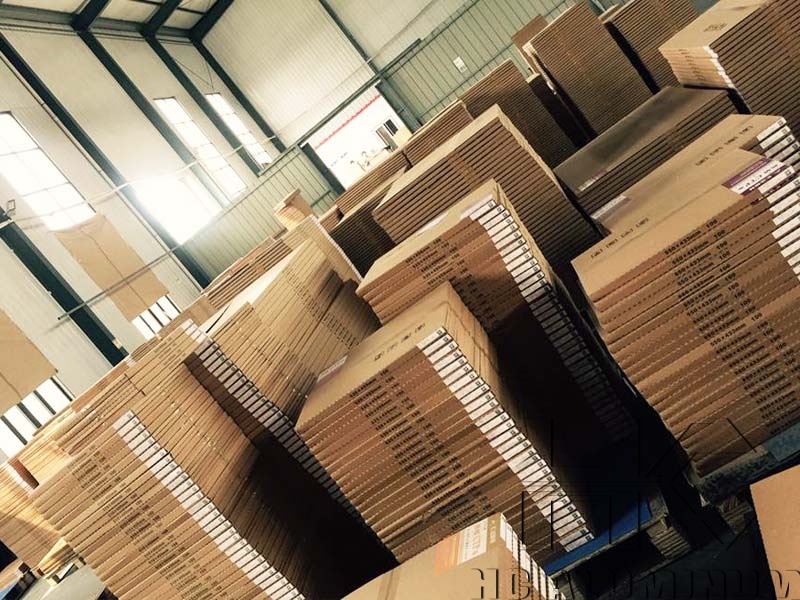
Packaging quality and transport protection (processless coatings should arrive flat, clean, and undamaged).
Why processless thermal plates align with modern print operations
I view processless thermal plates as a productivity tool disguised as a sustainability upgrade. Removing wet processing is not only about being green; it is about building a plate workflow that is easier to standardize, easier to scale, and less dependent on a single machine that can quietly degrade output.
For printers balancing shorter lead times, tighter staffing, and stricter compliance expectations, a processless thermal plate offers a clear operational message: less chemistry, fewer variables, and a faster path from file to stable print.
PRODUCTS
ONLINE CONSULTATION
If you have any questions, please contact us and we will contact you as soon as possible.


Leave A Message
If you are interested in our products and want to know more details, please leave a message here, we will reply you as soon as we can.