
News
When buyers ask me about positive PS plate price, the real question is rarely "How cheap can you make it?" What experienced printers want is predictable performance at a cost level that protects their margin. A positive PS plate can look like a commodity on paper, yet small differences in coating chemistry, aluminum substrate preparation, and quality control show up quickly on press as remakes, downtime, and wasted paper.
This article breaks down what drives positive PS plate pricing, how to compare quotations professionally, and how to choose a specification that lowers total cost per impression rather than chasing the lowest invoice.
What "positive PS plate price" should include (and what it often hides)
A rigorous comparison starts by confirming what the quoted price actually covers:
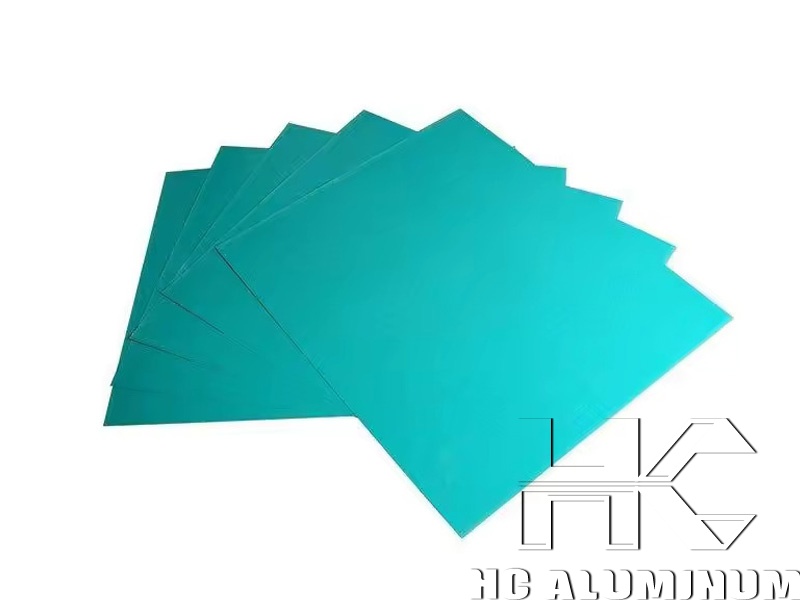
Plate structure: electrochemically grained and anodized aluminum + positive-working photosensitive coating + protective layer.
Thickness and alloy behavior: stability during clamping, bending, and long runs.
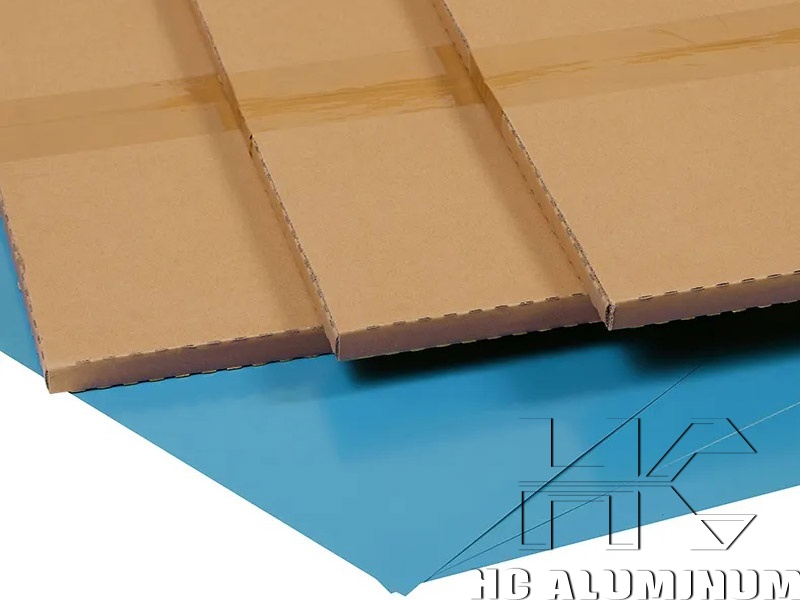
Packaging standard: moisture protection, corner guards, interleaving paper, carton strength for export.
Claimed run length: for example, 50,000–150,000 impressions depending on chemistry, fountain solution, and press conditions.
A "cheap" offer sometimes omits details like coating weight consistency or anodization quality. Those items do not look dramatic in a quotation but are expensive on press.
The main technical factors that move PS plate price
1) Aluminum substrate: grain quality and anodization thickness
Positive PS plates rely on a controlled micro-grain surface to hold water and support ink/water balance. Better electrochemical graining and stable anodization typically increase manufacturing cost, but they also increase:
Resolution stability (especially in fine dots and small type)
Background cleanliness (lower scumming risk)
Long-run durability (less wear, fewer scratches)
Price impact in practice: if you run higher speeds or longer jobs, paying for a more stable substrate usually reduces plate changes and press stops.
2) Coating chemistry and coating weight control
Positive-working coating must deliver predictable sensitivity, clean development latitude, and robust image area.
What matters technically:
Spectral response (most conventional positive PS plates for UV exposure)
Development latitude (tolerance to slight exposure variation)
Dot reproduction (2–98% or better, depending on workflow)
Tighter coating weight control requires better coating lines and QC, which generally increases the positive PS plate price, but it reduces batch-to-batch variation that causes rework.
3) Plate thickness, temper, and dimensional stability
Common thicknesses include 0.15 mm, 0.20 mm, 0.25 mm, 0.30 mm, and higher for special use. Thicker plates cost more in aluminum content and shipping weight, but they can be more stable on press.
Example: If your press clamps are sensitive or you frequently re-mount plates, stepping from 0.20 mm to 0.25 mm may reduce handling defects enough to justify the higher unit price.
4) Cleanliness standards and defect control
A technically strong supplier invests in:
Cleanroom-like coating environments
Online inspection
Tight raw material screening
This is a hidden price driver, but it's directly tied to whether you see pinholes, coating streaks, oxidation spots, or edge damage.
Price is not cost: practical examples of total cost per job
Example 1: Lowest price vs. stable run performance
Supplier A: $X.XX/plate, occasional coating inconsistency
Supplier B: $X.XX + 8%/plate, more stable coating/anodization
If Supplier A causes just 1 extra remake per 200 plates, the extra film/CTP output, press time, paper waste, and operator time can exceed the 8% savings quickly. Many commercial printers discover that "cheapest" is only cheapest when everything goes perfectly.
Example 2: Choosing the right run-length class
A plate rated for longer runs may cost more, but if you run packaging or repeat jobs with longer impressions, it can cut plate changes.
Short-run environment (small commercial jobs): you may optimize for sensitivity and fast development rather than maximum run length.
Long-run environment (repeat packaging jobs): durability and background cleanliness often pay back more.
The best buying decision depends on your real job mix, not a generic "low price" target.
How to compare quotations like a professional buyer
When reviewing positive PS plate price offers, ask for these data points so you can compare "apples to apples":
Thickness, size, and tolerances (including squareness and burr control)
Anodization spec (process stability and surface quality expectations)
Coating type and sensitivity range (exposure energy guidance)
Recommended developer and development conditions (temperature, dwell time)
Resolution and dot range (especially if you print fine screens)
Typical run length (with assumptions stated)
Packing method (export carton strength, palletizing, humidity protection)
Quality assurance method (batch traceability, defect rate targets)
If a supplier cannot answer these clearly, the "good price" is often a risk premium that you will pay later in wasted consumables.
What influences export pricing specifically
For international buyers, positive PS plate price also includes variables outside the plate itself:
Aluminum price fluctuations (LME-driven)
Freight and carton/pallet requirements
Lead time and production scheduling (urgent orders usually cost more)
Payment terms and currency risk
A stable exporter will propose practical order quantities and packing options that reduce damage rates and claims during transit.
A straightforward way to "buy the right plate" for your workflow
If you are purchasing conventional plates for UV exposure, start by matching plate grade to your workflow:
If you prioritize broad compatibility and reliable day-to-day output, a standard Positive PS Plate specification with consistent coating and clean anodization often gives the best total cost.
If you want a broader product overview for conventional offset applications, compare options under PS Plate categories to ensure thickness and run-length class fit your press and job profile.
Then validate with a small but meaningful trial: print a set of typical files (fine text, solid areas, halftones), measure development latitude, and run enough impressions to see background cleanliness and wear behavior. Real performance data is the most accurate "pricing model" you will ever get.
What a "positive" price looks like for the buyer
A positive PS plate price is one that supports predictable production. It should feel fair because the supplier is transparent about specifications and because your pressroom results are stable: clean non-image areas, consistent dot reproduction, fewer remakes, and fewer emergency plate orders.
When you evaluate PS plate pricing with technical discipline, you stop negotiating only on cents per plate and start controlling the bigger cost drivers: downtime, waste, and customer delays. That is where professional printers protect margin, even in competitive markets.
PRODUCTS
ONLINE CONSULTATION
If you have any questions, please contact us and we will contact you as soon as possible.


Leave A Message
If you are interested in our products and want to know more details, please leave a message here, we will reply you as soon as we can.