
News
In commercial offset printing, the positive photosensitive plate remains one of the most dependable choices for printers that value sharp image reproduction, stable press behavior, and mature processing technology. Although the market has evolved toward CTP and process-free solutions in many segments, positive PS plates still hold an important position in packaging, book printing, publication work, forms, and general commercial jobs where consistency, cost control, and proven workflow matter.
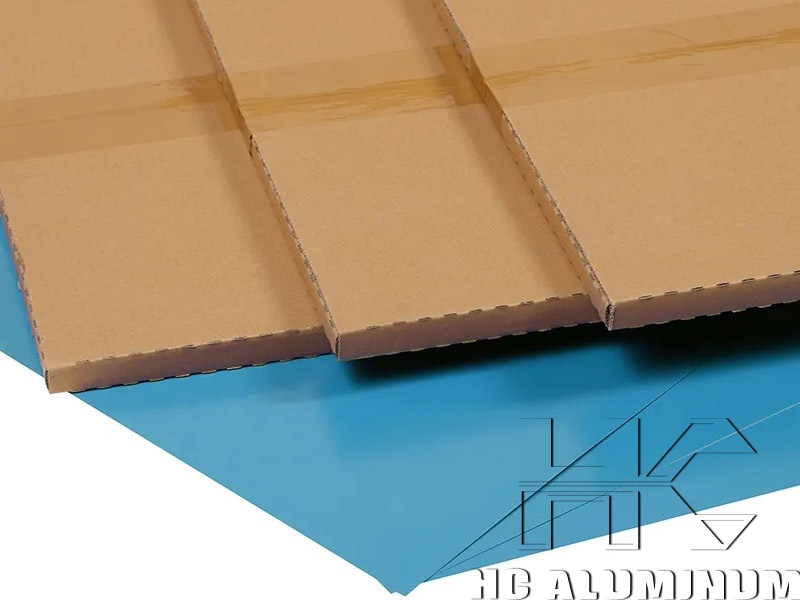
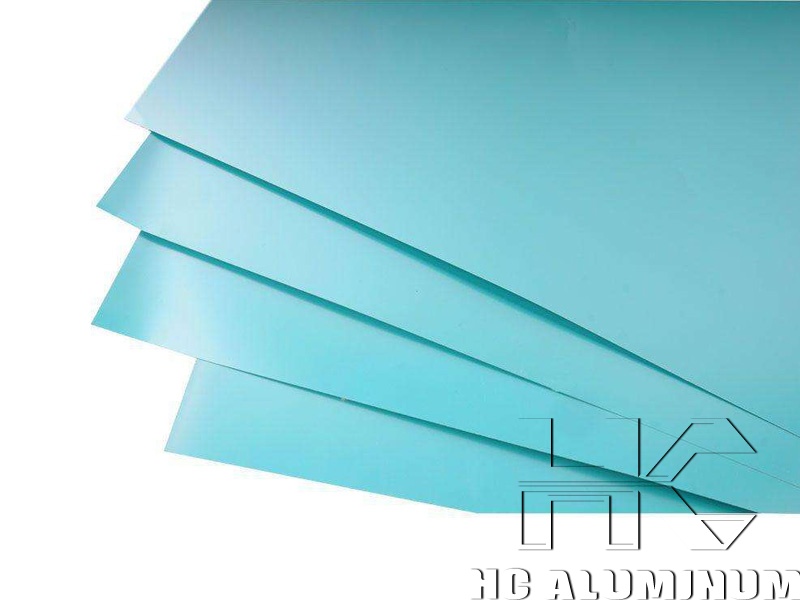
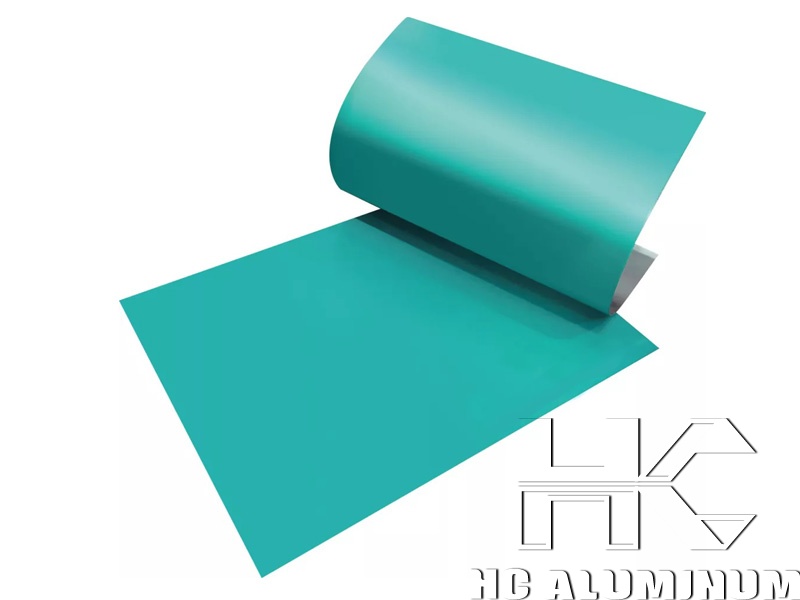
A positive photosensitive plate is an aluminum-based presensitized offset plate coated with a light-sensitive layer that reacts to ultraviolet exposure through positive film. The plate area exposed to light becomes more soluble in the developer, while the non-exposed image area remains oleophilic after processing and accepts ink on press. The non-image area, once developed, becomes hydrophilic and attracts fountain solution. This fundamental ink-water separation is what allows offset lithography to deliver clean tonal balance and reliable print quality.
From a buyer's perspective, the appeal of a positive photosensitive plate is not merely that it "works." Its real value lies in predictable production. A well-manufactured plate should combine uniform coating weight, stable electrochemical graining, controlled anodizing, good photosensitivity, and sufficient run length for the intended application. If any one of these elements is inconsistent, the printer may encounter premature wear, weak dot holding, background toning, difficult development, or unstable ink-water balance.
How a Positive Photosensitive Plate Works in Practice
The working logic is straightforward, but small technical details make a significant difference. In a traditional workflow, the plate is exposed under a positive film. Transparent areas of the film allow light to reach the coating, while opaque image areas block light. During development, the light-struck coating is removed, creating hydrophilic non-image areas. The protected image areas remain on the plate and attract ink.
This mechanism gives positive plates a reputation for excellent fine-line reproduction and balanced halftone performance. For example, a printer producing textbooks with dense text pages, 1% to 99% tonal transitions, and precise register control often prefers a plate that develops cleanly and holds small dots reliably. In such work, plate latitude matters. If exposure tolerance is too narrow, one operator's slight underexposure can soften the highlight dots, while another operator's overexposure can close fine reverses. A high-quality positive plate provides enough processing tolerance to reduce these risks.
Many customers comparing plate options also look at the difference between standard PS Plate products and more specialized variants. In practical terms, the right choice depends on press speed, chemistry control, run length, and the type of printed matter being produced every day.
Key Performance Indicators That Serious Buyers Should Evaluate
When discussing positive photosensitive plates with a supplier, I believe it is not enough to ask only about price per square meter. The more meaningful questions are performance-related.
1. Photosensitivity and exposure latitude
A plate with stable photosensitivity helps the prepress department maintain repeatable results across different plate batches. Good exposure latitude gives operators a wider safety window, which is especially useful in busy print shops where environmental conditions and operator habits vary.
2. Dot reproduction
For commercial printing, highlight retention and shadow integrity directly affect image smoothness. A reliable positive plate should reproduce small dots cleanly and maintain edge sharpness on text, screens, and fine linework.
3. Developing behavior
A strong plate should process cleanly without excessive developer consumption or residual coating. Poorly balanced coating chemistry often leads to background contamination or sensitivity to processor fluctuations.
4. Run length
Run length depends on plate coating quality, anodized layer strength, press conditions, ink aggressiveness, paper abrasiveness, and chemistry control. In real production, run length is not a single universal number. A plate used for short-run label inserts may perform very differently from the same plate running long publication jobs.
5. Ink-water balance on press
Press operators appreciate plates that come up to color quickly, maintain clean non-image areas, and resist blinding or scumming. A stable hydrophilic base is essential here.
Where Positive Photosensitive Plates Still Offer Strong Value
Positive PS plates remain highly competitive in markets where analog plate making is established and capital efficiency matters. A medium-sized printing house with film output equipment, a conventional plate processor, and experienced technicians can achieve excellent results at a reasonable operating cost. In these settings, the plate is part of a mature system rather than an isolated consumable.
A practical example is a regional book printer handling black text, two-color educational materials, and occasional four-color covers. This printer may not need the higher investment associated with thermal CTP for every line of work. A well-made Positive PS Plate can deliver stable imaging, manageable processing costs, and satisfactory run length for daily production.
Another example is packaging inserts or instruction leaflets where image complexity is moderate but dimensional stability and clean text are critical. Here, positive plates often perform reliably because the technology is well understood, replacement is easy, and process control is familiar to operators.
What Distinguishes a Professional-Grade Plate from an Ordinary One
From manufacturing experience, the difference usually begins with the aluminum substrate and surface treatment. High-quality plates are typically made from carefully selected aluminum coil, followed by optimized graining and anodizing to create a uniform microstructure. This surface must hold water well in non-image areas while supporting coating adhesion and press durability.
The coating itself is equally important. A professionally engineered photosensitive layer should respond evenly during exposure and development, resist scratches during handling, and remain stable in storage under recommended conditions. Batch-to-batch consistency is often the hidden factor that separates a trustworthy supplier from a risky one.
If a plate buyer tests only one or two sheets and sees acceptable imaging, that is not yet enough evidence. A better test is to run multiple batches over time, check processor compatibility, compare startup waste, observe whether the plate reaches ink balance quickly, and review whether print density remains consistent through the run.
Buying Advice for Importers, Distributors, and Print Factories
For international buyers, technical specification sheets are useful, but they should not be the sole basis for procurement. It is wise to confirm the following points with the manufacturer:
Available thickness range, common sizes, and custom size capability
Recommended exposure energy and developer conditions
Shelf life and packaging protection for sea shipment
Batch consistency and coating inspection standards
Typical run length under defined test conditions
Compatibility with mainstream plate processors and fountain systems
Packaging quality also deserves attention. Positive photosensitive plates are sensitive to pressure damage, moisture, and rough logistics handling. Good inner wrapping, corner protection, and export-grade cartons or pallets reduce the chance of scratches and oxidation during transport.
For distributors, product positioning matters as much as technical quality. Some markets need an economical standard plate for short to medium runs. Others prefer a higher-grade plate with stronger durability and wider process tolerance. A supplier that understands these distinctions can help customers avoid overbuying or under-specifying.
Why the Positive Photosensitive Plate Remains Relevant
The printing industry is full of innovation, yet mature technologies continue to survive for a reason: they solve real production problems efficiently. The positive photosensitive plate remains relevant because it offers a well-balanced combination of image quality, operational familiarity, and cost-effectiveness. For many printers, especially those with existing analog workflows, it is not an outdated product. It is a practical tool that keeps jobs moving with dependable quality.
For potential clients evaluating plate supply, the most important question is not whether the product sounds advanced, but whether it performs consistently in the real conditions of the pressroom. A positive photosensitive plate that exposes cleanly, develops reliably, starts fast on press, and supports the required run length is still a highly valuable production asset.
PRODUCTS
ONLINE CONSULTATION
If you have any questions, please contact us and we will contact you as soon as possible.


Leave A Message
If you are interested in our products and want to know more details, please leave a message here, we will reply you as soon as we can.