
News
In commercial offset printing, the positive photosensitive lithographic printing plate remains one of the most proven and dependable solutions for high-quality image reproduction. Although digital plate technologies continue to evolve, positive PS plates still hold a firm place in many print shops because they combine mature chemistry, stable performance, sharp dot reproduction, and predictable processing behavior. For printers who value consistency more than marketing trends, this plate type is not old-fashioned at all. It is practical, economical, and technically reliable.
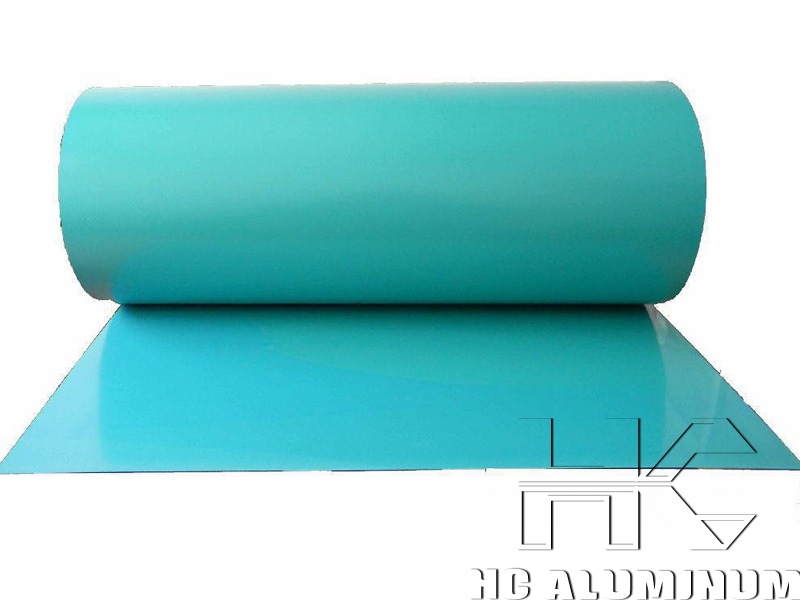
A positive photosensitive lithographic printing plate is designed so that the exposed coating becomes soluble in the developer. After exposure through film, the image-free areas are removed during processing, while the image areas remain on the plate and accept ink during printing. This working principle may sound straightforward, but the plate's real performance depends on a precise balance of aluminum base quality, anodizing, photosensitive coating, hydrophilic background, and compatibility with the pressroom chemistry.
From a manufacturing perspective, the aluminum substrate is not just a carrier. It directly influences water retention, coating adhesion, mechanical strength, and run length. A well-grained and anodized aluminum base provides a uniform microstructure that supports stable fountain solution distribution and reduces the risk of toning. In practical printing terms, this means cleaner non-image areas, better startup behavior, and more stable ink-water balance on press.
The photosensitive layer is equally critical. A high-quality positive coating should respond quickly and evenly to UV exposure, allowing printers to achieve strong resolution and smooth tonal transitions. For jobs such as catalogues, packaging inserts, textbooks, and promotional materials, that translates into crisp text, controlled highlights, and reliable reproduction of fine screens. Many experienced press operators can identify a good plate not by looking at the box, but by how calmly it behaves during the first few hundred sheets.
One reason clients still prefer this technology is process transparency. With a positive plate, plate making variables can be monitored and corrected with relative clarity: exposure energy, vacuum contact, developer concentration, temperature, developing speed, rinse quality, and gumming. If a dot is not holding, the operator can usually trace the cause. In contrast, some newer systems reduce steps but also reduce room for fine adjustment. For printers handling varied job structures every day, that control matters.
A typical positive plate workflow begins with film output, followed by contact exposure, developing, rinsing, gumming, and optional baking for longer runs. In a mid-sized commercial print plant, for example, a printer producing educational books may run several versions of the same title with only minor text changes. Positive PS plates fit this workflow well because plate preparation is efficient, material cost is manageable, and the image quality is dependable across repeated jobs.
Printers evaluating plate supply often compare sensitivity, resolution, run length, and chemical tolerance. Sensitivity determines how efficiently the plate responds to exposure energy. Resolution reflects how well the plate can reproduce fine lines and halftone dots. Run length depends on coating durability, press conditions, ink aggressiveness, and whether the plate is baked. Chemical tolerance becomes important when pressrooms have variations in fountain solution control or cleaning agents. A robust positive plate should not perform well only under ideal laboratory conditions; it should continue delivering stable results in real workshops where temperature, humidity, and shift practices vary.
For many buyers, the phrase Positive PS Plate refers not just to a product category, but to a cost-performance decision. The best plate is rarely the cheapest one per square meter. A plate with poor coating uniformity may save money at purchase but lose much more through remakes, downtime, waste sheets, and unstable printing. I have always believed that plate selection should be judged by total operating cost: imaging success rate, reduction in setup time, plate consistency between batches, and ability to maintain print quality through the full production run.
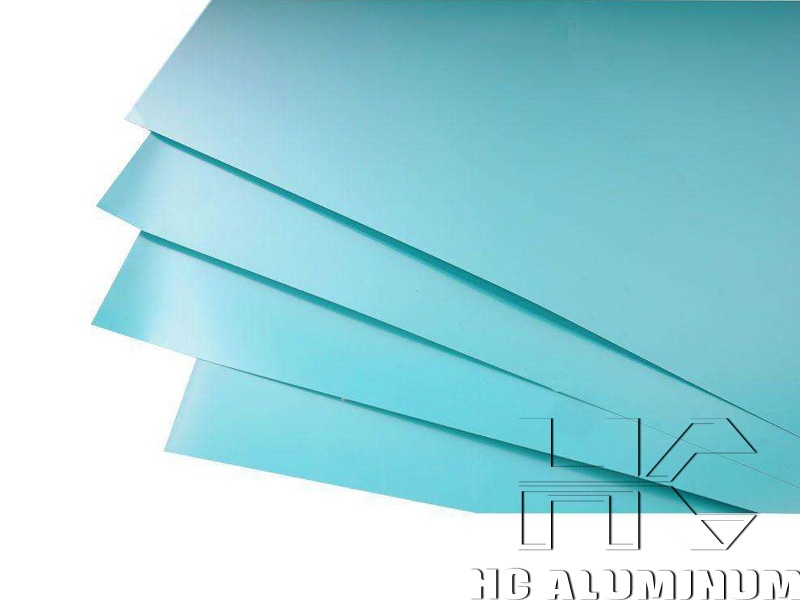
Another strong advantage of positive photosensitive lithographic plates is versatility. They are used widely in newspaper inserts, business forms, manuals, maps, general publishing, and commercial sheetfed printing. In these applications, printers often need a plate that balances image fidelity with operational simplicity. A properly manufactured plate can reproduce 1% to 99% tonal values under controlled conditions, maintain fine line definition, and support solid ink density without premature wear. When clients request consistent brand colors and clean typography, those details are not minor; they directly affect the perceived quality of the printed product.
The processing stage deserves special attention because even an excellent plate can underperform if development is poorly controlled. Overdevelopment can weaken image areas and reduce run length. Underdevelopment can leave residual coating in non-image areas, causing background contamination. Developer conductivity, replenishment rate, and temperature should be monitored routinely. In serious print operations, this is not optional discipline; it is part of quality assurance. Shops that standardize these parameters usually see more stable plate output and less press-side troubleshooting.
For buyers sourcing from a manufacturer, consistency between lots is often more important than one impressive sample. A supplier should be able to provide stable coating weight, controlled grain structure, reliable packaging, and clear storage recommendations. Plates should remain flat, clean, and protected against moisture and pressure damage during transport. If exports are involved, packaging integrity becomes even more important because long transit times can expose products to heat fluctuation and humidity.
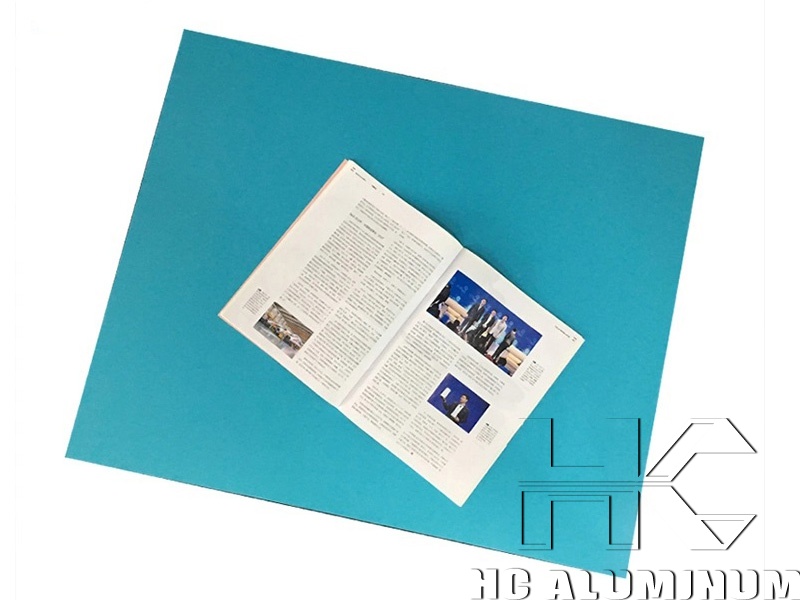
In purchasing discussions, many clients also ask how a positive plate compares with other conventional options. The answer depends on the pressroom environment and job profile. For businesses centered on film-based workflows and conventional offset production, a high-grade PS Printing Plate often remains the most rational choice. It offers familiar operation, broad compatibility with existing equipment, and a technical foundation that press teams already understand well. That familiarity reduces training time and helps maintain production continuity.
A good positive photosensitive lithographic printing plate should deliver several things at once: fast and even exposure response, clean development, strong hydrophilic non-image areas, accurate dot reproduction, dependable run length, and low defect risk in storage and transport. When these factors are engineered properly, the plate contributes not only to print quality but also to the overall efficiency of the print business.
For potential clients evaluating suppliers, I would suggest looking beyond catalog claims. Ask how the aluminum is treated. Ask about coating consistency, recommended developer conditions, storage life, and batch traceability. Ask whether the plate has been tested in both short-run and longer-run commercial environments. Technical confidence is built on specifics, not slogans. In the offset printing industry, products earn trust when they perform day after day under production pressure. That is exactly where a well-made positive photosensitive lithographic printing plate proves its value.
PRODUCTS
ONLINE CONSULTATION
If you have any questions, please contact us and we will contact you as soon as possible.


Leave A Message
If you are interested in our products and want to know more details, please leave a message here, we will reply you as soon as we can.