
News
Positive thermal CTP plates are often treated as a commodity until something goes wrong: unexpected dot gain, dirty background, premature wear, processor instability, or a sudden shift in exposure that forces the team to chase settings during peak production. From the buyer's side, that is the real difference between average and truly positive CTP plate suppliers: the best suppliers make plate behavior predictable, and predictability is measurable money in the pressroom.
What "positive" really means in day-to-day production
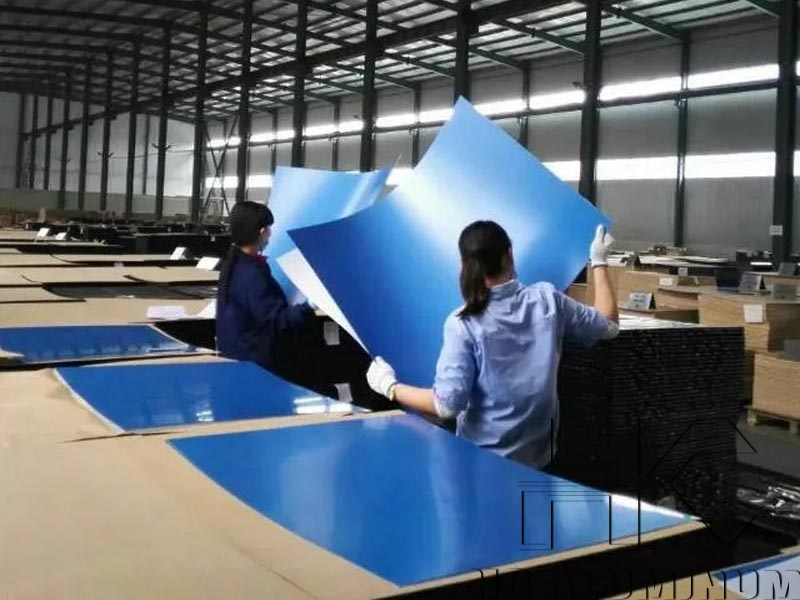
Positive thermal CTP plates are designed so the imaged (exposed) areas become more soluble in developer and are removed during processing, leaving the unexposed areas to accept ink. That simple mechanism has complex consequences: energy sensitivity, imaging latitude, development robustness, and on-press endurance all depend on coating chemistry, graining/anodizing quality, and manufacturing control.
For a printer, the plate is not a standalone product. It is part of a system: platesetter + RIP curve + developer condition + press settings + fountain solution + ink set. A capable supplier understands system behavior and supports you in stabilizing it.
Traits that separate strong positive CTP plate suppliers from "box movers"
Below are the supplier capabilities that consistently correlate with low waste and stable print quality.
1) Consistent coating weight and curing, not just "good sensitivity"
Many suppliers advertise sensitivity and resolution. Those matter, but the silent performance driver is coating uniformity and curing consistency across batches. Uniform coating reduces:
Variation in exposure requirement across the plate
Micro-scumming in highlight areas
Unstable 1%–3% dot reproduction in AM screening
Illustrative example: If a plant runs multiple shifts and plates are consumed from mixed batch lots, a coating variation that looks minor in a lab can become a daily re-calibration issue. Better suppliers provide batch-to-batch stability so operators don't keep adjusting laser power, focus, or developer replenishment.
2) Stable aluminum base: graining, anodizing, and hydrophilicity retention
The base is where pressroom stability begins. A high-quality aluminum substrate with controlled electrochemical graining and anodizing will hold water balance better and resist background toning.
Ask suppliers how they control:
Surface roughness distribution (not only average roughness)
Anodic layer thickness consistency
Pore sealing and hydrophilic treatment durability
This impacts both print quality and run length. Long-run performance is not just "hard coating"; it is the total system of anodic layer integrity plus coating adhesion.
3) Processing latitude: forgiving plates reduce operator stress
A plate that performs only when developer conductivity, temperature, and dwell time are "perfect" is a risk. Strong positive CTP plate suppliers engineer wider processing latitude, helping plants handle real conditions: summer temperature swings, replenishment fluctuations, and varying throughput.
Illustrative example: A commercial printer with mixed jobs (text + heavy solids) may see developer loading spike on high-coverage days. A plate with strong latitude maintains clean non-image areas and stable solids even when the developer is slightly tired, buying the plant time to correct chemistry without scrapping plates.
4) Imaging latitude and dot fidelity (especially for modern screening)
Modern RIPs use sophisticated screening (high-line AM, hybrid screening, or stochastic FM). A plate must hold microdots cleanly and consistently. Evaluate suppliers on:
Minimum reproducible dot (and how stable it is over time)
98%–99% highlight behavior (risk of "plugging")
Shadow dot integrity (risk of broken shadows)
If you are sourcing for publication printing, you may prioritize smooth gradation; for packaging and spot colors, you may emphasize solid density and resistance to toning.
5) Run length claims that are tied to real press conditions
Run length depends on press type, paper, ink abrasiveness, fountain solution, and whether baking is used. A professional supplier will clarify run length assumptions rather than quoting an optimistic number.
A practical approach is to classify your typical jobs:
Short-to-medium commercial runs with frequent plate changes
Long runs where wear resistance is critical
Work with abrasive substrates or high pigment inks
Then match plate construction accordingly. For instance, many buyers compare plate structures such as Single Layer CTP Plate versus Double Layer CTP Plate depending on durability expectations and imaging behavior.
What to request when qualifying a supplier (a rigorous checklist)
A purchase decision should not rely on one "nice" test. Ask for information that proves manufacturing control.
QC documentation: batch traceability, in-process checks, and outgoing inspection criteria.
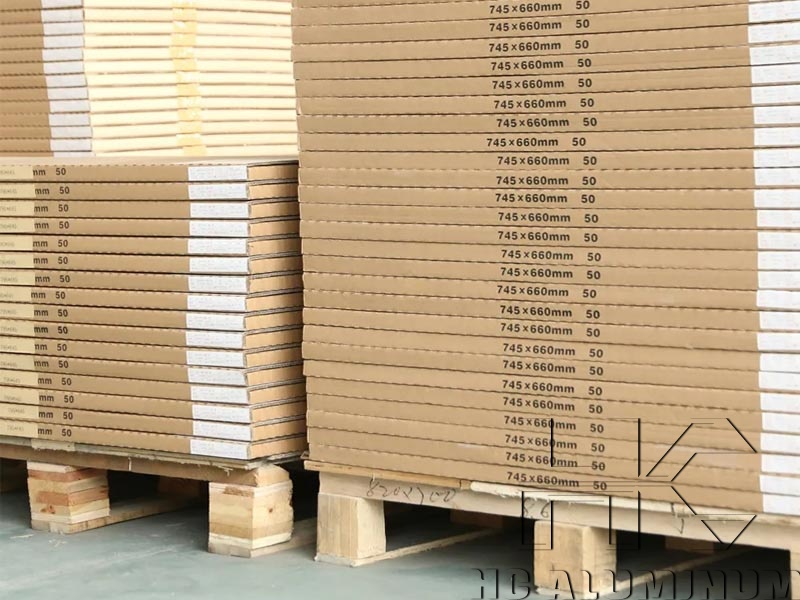
Packaging standard: moisture barrier, corner protection, palletization for sea shipment, and clear labeling.
Storage guidance: realistic shelf life under different warehouse climates.
Technical support: ability to help calibrate exposure and processing, not just replace product.
Trial protocol: agreed metrics (waste rate, exposure window, dot reproduction, press stops), not vague feedback.
Buyer concerns that deserve direct, technical answers
"Will these plates match my existing calibration?"
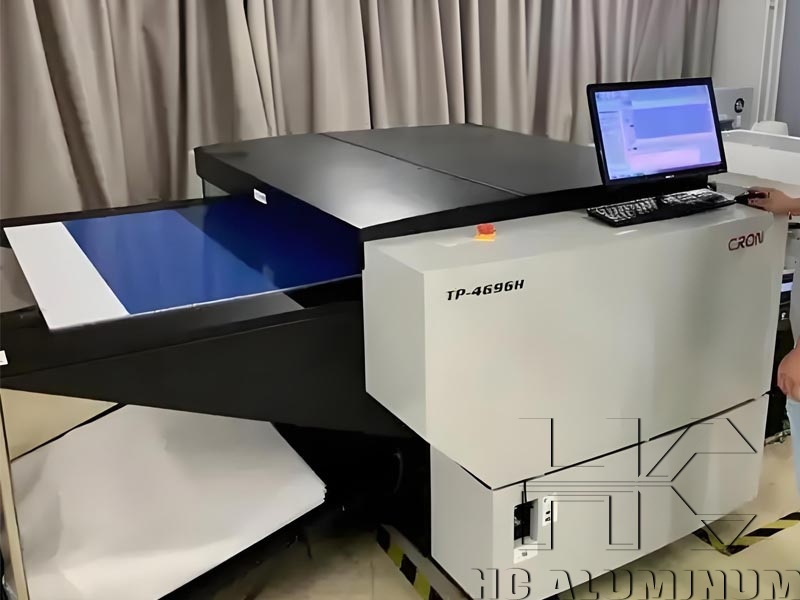
A good supplier will ask about your platesetter model, laser wavelength (thermal), typical imaging energy, screen ruling, and processor type. They should help you establish a target curve and exposure window quickly, not by trial-and-error over weeks.
"How do I avoid background toning and scumming?"
The honest answer is system-based: plate hydrophilicity + developer condition + water balance + cleanliness. Strong suppliers provide recommended developer parameters and troubleshooting logic (symptom → likely cause → corrective action). That support is part of what you are buying.
"How do I judge consistency beyond a few sample plates?"
Request multiple lots or staged shipments for the trial. Monitor exposure drift, dot reproduction, and processor replenishment behavior over time. Consistency is revealed by repetition.
Practical scenarios: how the right supplier creates real ROI
Scenario A: A commercial printer chasing exposure weekly
If operators keep increasing laser power to maintain clean highlights, the root could be coating sensitivity drift between batches or unstable processing latitude. A supplier with tight coating control can reduce those adjustments, which reduces remakes and improves turnaround time.
Scenario B: A plant with frequent stop-start schedules
Stop-start processing can stress plates that require narrow developer stability. Plates with stronger latitude and robust coating adhesion handle intermittent production better, reducing the "first few sheets" waste that quietly adds up.
Scenario C: Export markets with long logistics cycles
When plates travel by sea, packaging and moisture protection become performance issues, not just appearance. Reliable suppliers engineer export-grade packaging so plates arrive flat, clean, and stable.
What I look for in a long-term supplier relationship
From my perspective in plate manufacturing and export, the most valuable suppliers are not the ones that say "our plate is good," but the ones that can explain why it is stable, how they control production variables, and how they will support your plant when conditions change.
If you are evaluating positive CTP plate suppliers, treat the decision like choosing a production partner. Ask for measurable commitments: batch consistency, defined QC checkpoints, realistic run-length expectations, and technical support that can speak the language of imaging energy, developer control, and dot behavior.
For buyers who want a straightforward route to selection, start by confirming the plate category you need (for example, a Positive Thermal CTP Plate for standard thermal workflows), then evaluate suppliers on consistency and process robustness rather than on price per square meter alone. The pressroom will tell you quickly which supplier is truly positive for your business.
PRODUCTS
ONLINE CONSULTATION
If you have any questions, please contact us and we will contact you as soon as possible.


Leave A Message
If you are interested in our products and want to know more details, please leave a message here, we will reply you as soon as we can.