
News
Offset printing has always been a game of control: control of dot formation, ink-water balance, registration stability, and press uptime. The modern CTP plate (computer-to-plate) is where that control begins. If the plate is predictable, the pressroom becomes predictable. If the plate is inconsistent, every downstream step turns into compensation.
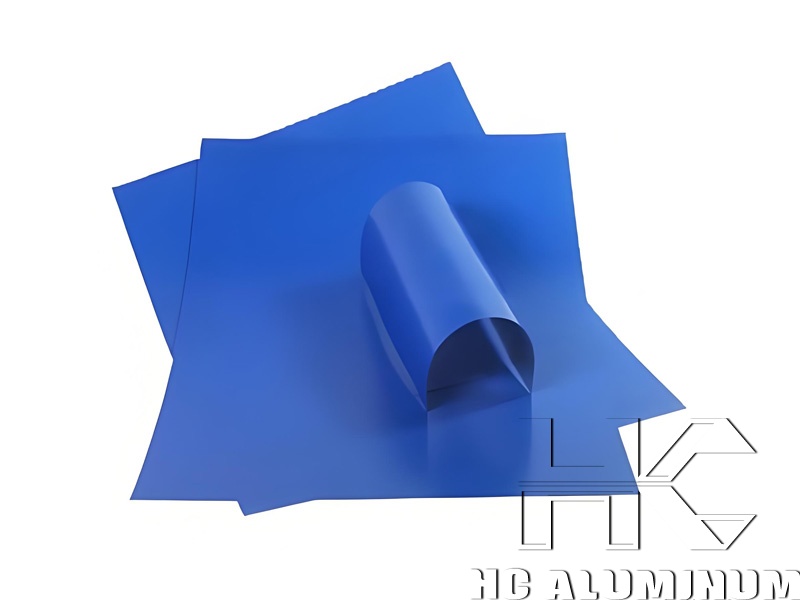
What a CTP plate actually does on press
A CTP plate is not just a "carrier of image." It is a finely engineered aluminum-based system that includes:
Electrochemically grained and anodized aluminum for stable water retention and mechanical strength.
A photosensitive coating (thermal or UV-sensitive, positive or negative working) that converts laser energy into a printing image.
A surface energy design that creates a durable separation between image (oleophilic) and non-image (hydrophilic) areas.
When plates are consistent, you see it in measurable ways: faster make-ready, lower paper waste during color stabilization, smoother solids, cleaner highlights, and fewer plate-related stoppages.
CTP plate types used in the printing industry
In day-to-day commercial and packaging print, most buyers are selecting between thermal and UV systems, then tuning the plate type to run length, chemistry preference, and press conditions.
1) Thermal CTP plates (830 nm)
Thermal imaging is valued for robustness and pressroom stability. Thermal plates typically offer strong resistance to handling and a wider tolerance window in processing.
Common reasons printers choose thermal:
Stable imaging in varying shop conditions
Reliable dot reproduction for high-end commercial work
Strong press performance for medium-to-long runs
If your workflow is built around thermal imaging, product selection usually comes down to sensitivity, run length targets, and whether you want classic processing, low-chemistry, or process-free options.
2) UV CTP plates (405 nm)
UV (violet) systems are often chosen for efficiency and lower imaging cost in certain environments. UV plates can be very attractive when balancing investment, throughput, and plate economics.
UV plates are frequently used for:
Commercial sheetfed where speed and cost discipline are key
Operations already standardized on violet CTP devices
3) Positive vs. negative working
Both exist in thermal and UV categories. The "positive/negative" decision is not about better or worse, but compatibility with your imaging and processing approach, plus how you prefer to manage press latitude.
A helpful way to think:
Positive-working plates are often appreciated for clean highlight performance and a familiar processing behavior in many plants.
Negative-working plates can be advantageous when the workflow emphasizes durability and certain bake/run-length combinations.
Specifications that actually matter (and how they show up in print)
Many plate datasheets look similar at first glance. The practical differences appear when you connect a parameter to a press symptom.
Resolution and dot fidelity
A plate that holds fine dots consistently does two things:
reduces "mystery gain" in the 1–5% highlight region, and
keeps midtones repeatable across replates and long jobs.
Illustrative example: A cosmetics carton job with delicate gradients and brand-critical skin tones often fails first in the highlights. A plate that reliably holds 2% dots at standard screening makes proof-to-press matching much easier and reduces the urge to over-correct curves.
Run length and abrasion resistance
Run length is not only about the coating. It is the combination of:
anodizing quality and consistency
coating toughness
developer control (if processed)
press conditions (fountain solution, ink tack, impression)
Illustrative example: A regional newspaper-style insert may not require extreme run length, but it demands fast plate turnover and stable on-press behavior. A plate optimized for quick imaging and predictable development reduces remake risk and keeps shift changes smooth.
Processing latitude and cleanliness
If a plate is sensitive to small changes in developer activity or temperature, you pay for it in downtime and rework.
Wide latitude helps when production schedules are tight.
Cleaner processing reduces background scumming and improves non-image hydrophilicity.
Aluminum base consistency
The base is easy to underestimate because it is "invisible" until it is not.
Inconsistent grain or anodizing can lead to:
variable water retention across the sheet
increased toning or background sensitivity
instability in long-run color
A practical selection guide (how I advise buyers to choose)
If I had to reduce plate selection to a few grounded questions, these are the ones that prevent expensive mistakes:
What is your dominant job profile? (commercial brochures, book work, labels, folding cartons)
What is your typical run length and peak run length?
Are you optimizing for the lowest plate cost, or lowest total cost? (waste, remakes, downtime)
Do you want classic processing, low-chemistry, or process-free workflow?
What screening and quality standard do you routinely sell? (AM, FM, hybrid, high line screens)
If your business competes on stability and repeatability, you are not just buying a plate; you are buying fewer exceptions.
For buyers comparing plate structures, there is a meaningful difference between Double Layer CTP Plate options (often chosen for durability and handling latitude) and plates designed for higher sensitivity and faster throughput.
Where CTP plates influence total cost (beyond the plate price)
A plate can be "cheap" and still cost more.
Here are the cost drivers I see most often:
Make-ready sheets: unstable plates add 50–200 extra sheets per job on some presses.
Press stops: coating weakness or processing sensitivity leads to remakes and lost slots.
Color drift on long runs: inconsistency forces operators to chase balance with water, creating more variation.
Storage and handling losses: packaging integrity and plate surface protection matter more than many teams admit.
Workflow fit: what to confirm before you approve a plate
A professional plate evaluation should be designed like a controlled experiment, not a quick opinion.
Confirm these items with your supplier and internally:
imaging energy target and stability on your CTP device
developer type, replenishment strategy, and conductivity/pH controls (if processed)
recommended preheat/bake conditions (if used) and realistic run-length expectations
storage conditions and shelf-life discipline (temperature, humidity, light exposure)
When customers ask for a safe starting point, I typically recommend selecting a plate family that matches the imaging platform first, then tuning the exact model based on run length and process preference. Many offset printers standardize their purchasing around a proven Thermal CTP Plate because it reduces variables across shifts and across multiple press lines.
Three real-world use cases (how plate choice changes outcomes)
Use case A: High-quality commercial sheetfed (brochures, brand work)
Primary need: highlight control and consistent dot reproduction.
Best-fit characteristics:
stable imaging response
clean non-image background
strong consistency lot-to-lot
Result you can expect: less curve manipulation, better proof alignment, fewer "operator-dependent" outcomes.
Use case B: Packaging jobs with heavy solids and spot colors
Primary need: solid ink density stability and abrasion resistance.
Best-fit characteristics:
tough coating and stable anodizing
good anti-scumming performance
reliable performance under higher ink tack
Result you can expect: cleaner solids, fewer plate changes mid-job, reduced risk of background toning.
Use case C: Mixed job shop with frequent changeovers
Primary need: wide processing latitude and predictable behavior.
Best-fit characteristics:
forgiving development window (or a well-implemented process-free path)
good resistance to minor handling errors
consistent start-up behavior on press
Result you can expect: higher throughput and fewer surprises during peak production.
What to ask a CTP plate supplier (to avoid superficial comparisons)
When you want an honest technical comparison, ask questions that force practical answers:
What is the expected performance range under real developer aging conditions?
How does the plate behave with common fountain solution ranges and alcohol substitutes?
What quality controls are applied to anodizing and coating uniformity?
What is the recommended evaluation plan for my press and job mix?
The strongest plate programs are not built on claims; they are built on repeatable performance and clear operating windows. That is what turns a CTP plate from a consumable into a reliability tool in the printing industry.
PRODUCTS
ONLINE CONSULTATION
If you have any questions, please contact us and we will contact you as soon as possible.


Leave A Message
If you are interested in our products and want to know more details, please leave a message here, we will reply you as soon as we can.