
News
Positive thermal CTP plates are often discussed as a line item: price per square meter, price per box, price per pallet. In real pressrooms, though, positive CTP plate price is only "high" or "low" after you measure it against plate stability, make-ready time, spoilage, run length, and the frequency of plate-related stoppages. When those variables are controlled, a competitively priced positive CTP plate becomes one of the most reliable levers for improving printing profitability.
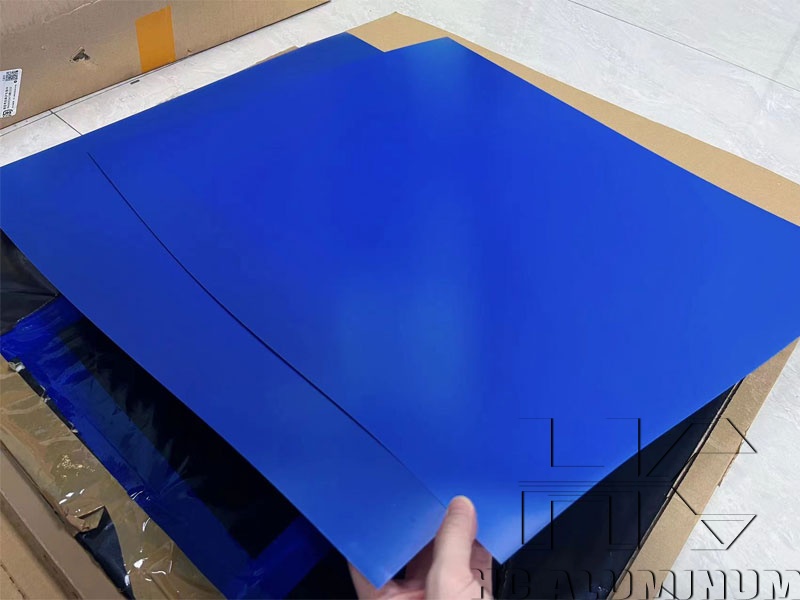
Why "positive CTP plate price" can be a competitive advantage
A positive thermal CTP workflow is designed for repeatability: consistent imaging latitude, predictable development, and stable dot reproduction. When your plate pricing is aligned with those performance requirements (rather than optimized only for the lowest sticker number), you get a practical advantage in three areas:
Lower total cost per job: fewer remakes, fewer on-press adjustments, less paper and ink waste.
Higher effective press capacity: reduced downtime and faster ramp-up to target density.
More predictable quality: more stable 50% dot, smoother gradients, tighter registration tolerance when plates hold.
The real cost components behind a positive CTP plate
When you compare offers, it helps to separate price into performance-driven components. A positive plate is not just aluminum plus coating; it is a set of tolerances.
1) Base aluminum quality (grain, anodizing, cleanliness)
A well-controlled electrograining and anodizing process gives consistent water retention and coating anchoring. Practically, that translates to:
Faster ink-water balance stabilization during make-ready
Less sensitivity to minor fountain solution fluctuations
Reduced risk of random scumming or background toning
Plates built on stable aluminum can be priced competitively because they reduce hidden costs like stop-and-clean events and "mystery" dot loss.
2) Coating sensitivity and imaging latitude
Positive thermal CTP plates must respond consistently at the energy your CTP can deliver (commonly around 830 nm). A plate that images cleanly across normal exposure drift reduces the chance of:
Weak highlights (e.g., 1–2% dots dropping)
Overexposure that closes midtones
Unplanned exposure recalibration that costs operator time
A good plate price is one that does not force you to "buy back" quality with extra labor and troubleshooting.
3) Development behavior and chemistry tolerance
Even for conventional (developer-processed) positive thermal plates, your developer condition changes day by day: conductivity, temperature, replenishment, and drag-out. Plates that tolerate normal variations help you maintain stable output with less frequent corrective actions.
If you are running a mix of job types, a plate that performs consistently with your processor settings can be worth significantly more than a small difference in per-square-meter pricing.
Price comparisons that make sense: use cost per 1,000 good sheets
I encourage procurement teams to evaluate plates using a simple model: cost per 1,000 good sheets, not just plate price.
Here is an illustrative example (numbers are simplified for clarity):
Plate A: $2.90/m², remake rate 3%, average make-ready waste 120 sheets
Plate B: $3.10/m², remake rate 1%, average make-ready waste 70 sheets
If your paper and press time cost is meaningful (as it usually is), Plate B often wins despite a higher plate price. The savings come from fewer remakes and reduced start-up waste. This is exactly where a well-positioned positive CTP plate price becomes "positive" in a business sense: you pay for consistency and get your money back through fewer interruptions.
What pushes positive CTP plate price up or down (and how to control it)
Buyers should understand the legitimate drivers, because they also indicate where suppliers can optimize.
Plate structure: single layer vs double layer
Different constructions influence durability, resolution, and robustness. If your work includes higher coverage solids, tighter screens, or longer run expectations, plate structure matters.
A Single Layer CTP Plate can be a strong value choice for many commercial jobs when matched to appropriate run length and processor discipline.
A Double Layer CTP Plate can justify a higher unit price when you need improved robustness (e.g., demanding press conditions, longer runs, or higher resistance margins).
The "best" price is the one aligned to your actual job mix, not the one optimized for someone else's.
Run length requirements
If your average job is 10,000–50,000 impressions, you can purchase differently than a plant regularly pushing 150,000+.
A plate priced for long-run durability can be unnecessary over-spec if your jobs are short and frequent. Conversely, if you routinely remanufacture plates mid-run, any savings on initial plate price disappears quickly.
Size, thickness, and packaging efficiency
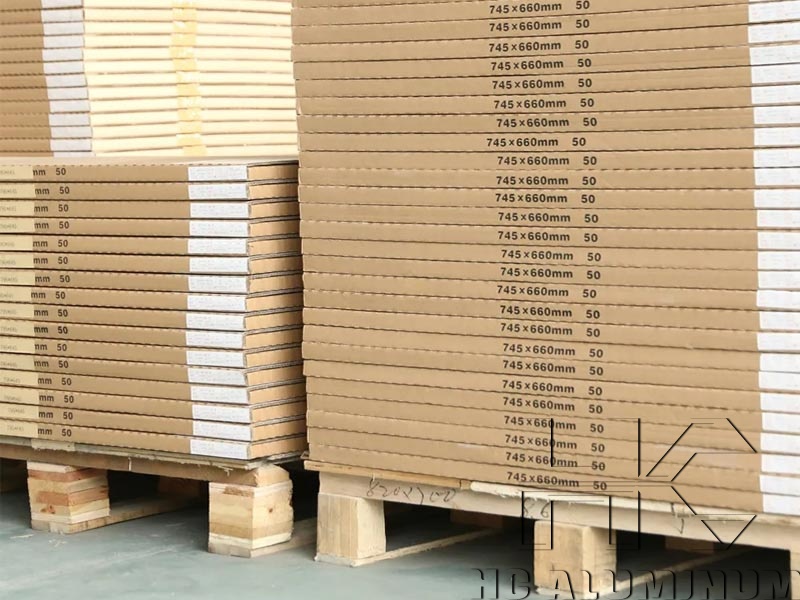
Large formats and special thicknesses can move price due to yield and handling. Packaging (interleaving, moisture protection, corner protection) also matters: damaged corners and scratches are among the most expensive "cheap plate" problems, because they create waste before you even reach the press.
How to evaluate a "good" positive CTP plate price from a supplier
A credible offer is not just a number. It is supported by process control and by a supplier who understands what printers measure.
Here is a practical checklist you can use when comparing positive CTP plate pricing:
Consistency between batches: are coating and aluminum lots controlled to reduce recalibration frequency?
Dot reproduction and linearity: can the plate hold both highlights and shadows in your screening method?
Processor compatibility: does the plate behave well under your developer brand, temperature window, and replenishment strategy?
Packaging and transit protection: does the supplier ship in a way that minimizes edge damage and oxidation risk?
Claim handling and technical support: if you face an imaging or development issue, can the supplier troubleshoot with exposure data and process variables rather than generic advice?
This is how positive CTP plate price becomes defensible internally: you can explain not only what you pay, but why it reduces operating risk.
Choosing the right specification: two realistic buying scenarios
Scenario A: Commercial print with frequent changeovers
A shop producing brochures, catalogs, and leaflets often values fast make-ready and stable dots over extreme run length.
Priority: imaging latitude, fast balance, low remake rate
Smart buy: a competitively priced plate optimized for stability, not overbuilt durability
Scenario B: Packaging or heavy coverage work
Higher ink coverage and stricter color expectations can make plates work harder.
Priority: robustness, scratch resistance, stable solids
Smart buy: a plate structure that maintains performance under pressure, even if the per-unit price is slightly higher
In both cases, a "positive" price is one that fits the operating reality and protects throughput.
What potential clients should ask for when requesting a quote
To get an accurate and favorable positive CTP plate price, provide information that lets the supplier quote the right product instead of guessing:
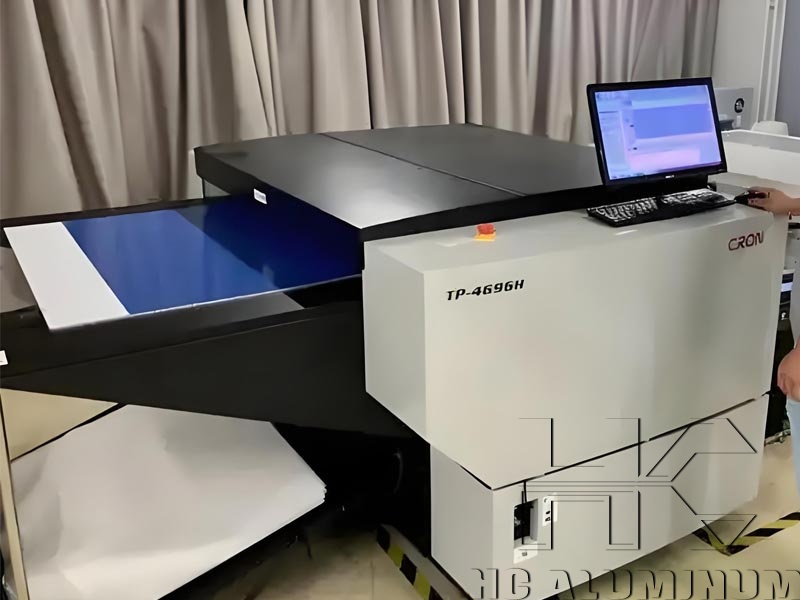
CTP model and laser type (thermal), typical energy setting
Plate size and thickness requirements
Average and maximum run length
Processor model, developer type, and typical operating temperature
Job profile (screen ruling, FM/AM, heavy solids vs general commercial)
When a quote is built on these realities, you get pricing that is genuinely competitive because it is based on the correct performance target.
If you view positive CTP plate price as a lever for reducing waste and stabilizing quality rather than a commodity number, procurement decisions get easier: you are buying repeatable press behavior. That is the kind of "low price" that stays low after the plate is on the press.
PRODUCTS
ONLINE CONSULTATION
If you have any questions, please contact us and we will contact you as soon as possible.


Leave A Message
If you are interested in our products and want to know more details, please leave a message here, we will reply you as soon as we can.