
News
Positive CTP plate manufacturing is not just "making plates." It is the disciplined control of aluminum metallurgy, surface chemistry, coating science, and process stability so that a plate behaves predictably from imaging to press. When buyers compare positive CTP plate manufacturers, the differences often look subtle on paper but become obvious in the pressroom: faster make-ready, cleaner highlights, stable midtones, fewer background issues, and repeatable run lengths.
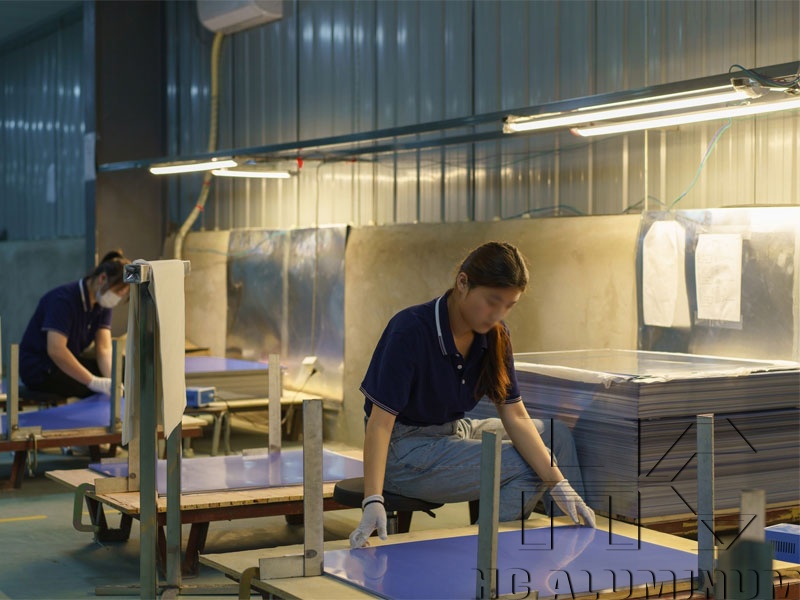
Below is how I evaluate positive CTP plate manufacturers through the lens of what actually matters to printers, packaging converters, and trade shops.
1) The "positive plate promise": predictable exposure-to-press behavior
Positive thermal CTP technology remains the workhorse for high-quality offset because it offers stable imaging latitude and excellent dot fidelity when the plate is engineered correctly. A capable manufacturer designs the plate so the relationship between laser energy, development, and on-press performance is linear and forgiving, not fragile.
What that means in practice:
Stable photospeed across batches: your imaging curve should not drift every time you open a new carton.
Clean separation between image and non-image: the non-image area must desensitize quickly in development and keep strong hydrophilicity on press.
Resistance to scumming and toning under real-world conditions: recycled fountain, warmer dampening, long runs, and varying paper lint.
A manufacturer who can deliver this consistently is not relying on a "lucky coating day." They are relying on controlled pretreatment, coating uniformity, and tight QA.
2) Aluminum base and graining: the foundation most buyers underestimate
Many plate discussions jump straight to coating, but the aluminum substrate is where press stability begins. High-performing positive CTP plate manufacturers pay attention to:
Alloy selection and temper control for dimensional stability (reduces plate stretch and registration drift on long runs).
Electrochemical graining uniformity so water balance is stable across the full sheet (critical for wide-format and high-speed presses).
Anodizing layer quality for abrasion resistance and consistent developer interaction.
Illustrative example: a commercial printer running 40" heatset web work may see identical dot gain curves on Monday and Thursday only if the substrate and anodic layer are consistent. If graining is uneven, you often get localized tinting or sensitivity variation that shows up as "mystery noise" in flat tints.
3) Coating formulation and thickness control: where premium plates earn their keep
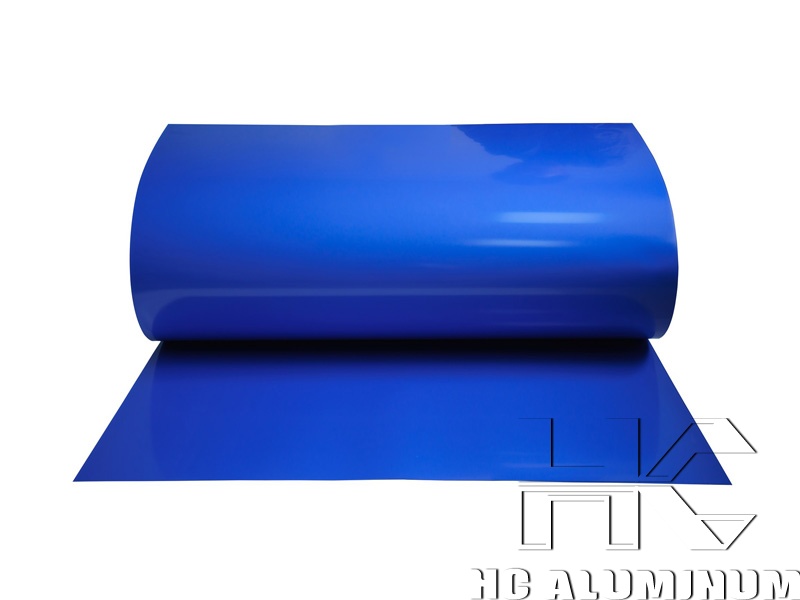
Positive thermal plate coatings must respond precisely to the thermal laser, then develop cleanly without leaving residues that cause background or early wear.
The best positive CTP plate manufacturers typically control:
Coating thickness variation (low micrometer-level variation across width and length)
Coating adhesion to anodic layer (reduces blinding, improves durability)
Developer latitude (plates remain clean even if conductivity, temperature, or replenishment is not perfect)
This is one reason many buyers choose a dedicated product such as a Positive Thermal CTP Plate rather than an "all-purpose" grade when quality targets are strict.
Practical pressroom impact
Packaging work with solids and fine text: uniform coating helps keep solids dense while preventing background tinting.
High-line screen commercial jobs: consistent coating behavior supports predictable highlight dot retention.
4) Dot reproduction and imaging latitude: what to ask for (and how to verify)
If I'm evaluating a new positive CTP plate supplier, I don't start with a brochure. I ask for measurable outcomes and run a structured trial.
Key technical checkpoints:
Minimum reproducible dot: Can the plate hold 1–2% reliably at production speed with your RIP screening and your standard processing?
Midtone stability: Are 40–60% patches stable across the sheet and across plate batches?
Resolution and micro-line performance: Do 10–20 micron elements survive development and make-ready without breaking?
Illustrative example: a trade shop producing 200 lpi stochastic work will quickly expose weak manufacturing control. Plates that look "fine" at 150 lpi AM can suddenly show graininess in highlights or unstable microtext once you push screening.
5) Run length and press durability: not just "how long," but "how stable"
Run length claims can be misleading if they ignore press conditions. What matters to clients is stable print quality through the run: minimal dot wear, limited sensitivity to aggressive solvents, and strong resistance to abrasion.
A rigorous manufacturer supports durability through:
Robust anodizing and controlled pore sealing
Coating chemistry designed for wear resistance (balanced against sensitivity)
Uniform plate thickness and flatness for consistent contact in the nip
6) Process control and QA: what separates "a factory" from a manufacturer
When I say "positive CTP plate manufacturer," I'm looking for evidence of process discipline:
Incoming aluminum inspection and traceability
In-line monitoring for graining and anodizing parameters
Coating room filtration and viscosity control
Finished plate checks: sensitivity window, background cleanliness, coating uniformity, scratch resistance, and packaging integrity
This is also why it can be valuable to source from a supplier with a broad plate portfolio and documented performance across segments. When clients ask for general options or to compare formats, it helps to reference a central product hub like CTP Plates that clarifies available specifications.
7) Logistics and packaging: performance is wasted if plates arrive compromised
Positive CTP plates are sensitive to mishandling: edge damage, moisture exposure, and poor carton strength can cause real production losses.
What good manufacturers do differently:
Moisture-barrier packaging with consistent sealing
Edge and corner protection to prevent micro-bends
Lot labeling that supports traceability and FIFO storage
Stable palletizing designed for long-distance export
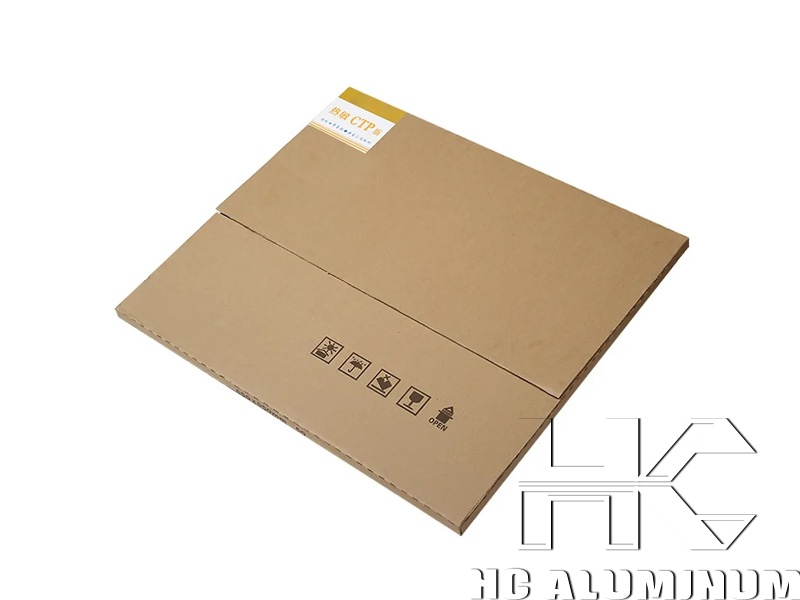
Illustrative example: a printer may blame "plate quality" for background issues, but the root cause can be storage humidity after a compromised shipment. Strong packaging and clear storage guidance eliminate this avoidable variable.
8) A buyer's checklist for comparing positive CTP plate manufacturers
If you are benchmarking suppliers for long-term cooperation, these questions cut through marketing quickly:
What is the guaranteed sensitivity range and batch-to-batch tolerance?
What developer compatibility is validated (brands, temperature range, replenishment behavior)?
Can you provide trial data on highlight dot holding and solid density stability?
What is the run length expectation under defined conditions (coverage, press type, chemistry)?
How do you control aluminum graining/anodizing uniformity and how is it tested?
What is your traceability system from coil to finished plates?
What is your standard for export packaging, and how do you handle claims?
9) What "good partnership" looks like after the first order
The most valuable positive CTP plate manufacturers behave like technical partners rather than box shippers. They help you lock down a stable production window:
Aligning imaging energy and development parameters with your platesetter and processor
Supporting curve calibration and screening transitions (AM to hybrid/stochastic)
Advising on storage, handling, and fountain solution conditions that influence background and dot stability
That partnership approach is what turns plates into predictable output: less troubleshooting, fewer remakes, and a more confident schedule.
If your objective is consistent high-quality offset printing with controlled make-ready time, the right positive CTP plate manufacturer is the one whose substrate, coating, QA system, and export discipline work together as one process. That is where plate cost becomes a small line item compared to the value of stable production.
PRODUCTS
ONLINE CONSULTATION
If you have any questions, please contact us and we will contact you as soon as possible.


Leave A Message
If you are interested in our products and want to know more details, please leave a message here, we will reply you as soon as we can.