
News
UV inks are unforgiving. They cure fast, they carry aggressive components, and they expose weaknesses in plate surface chemistry quicker than conventional inks. Over the years, I've seen pressrooms chase the same symptoms when moving jobs to UV: toning that appears "out of nowhere," slower ink-water balance, scumming on fine screens, or premature wear on long UV runs.
A well-designed double layer CTP plate is one of the most practical ways to make UV printing behave like a predictable, repeatable process again. Below is how a double layer CTP plate with UV ink works in real production, why the layer architecture matters, and how to set it up so your UV jobs start clean and stay stable.
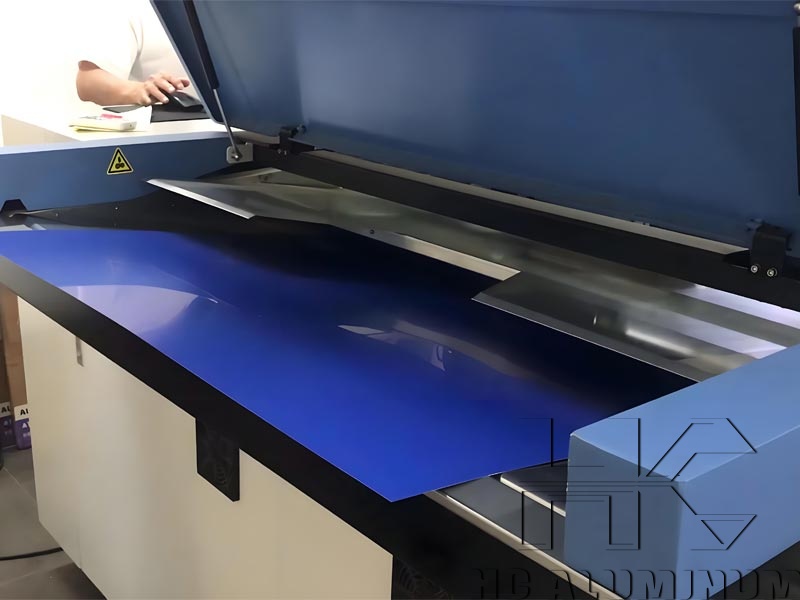
Why UV ink stresses plates more than conventional ink
UV offset inks typically contain reactive monomers/oligomers and photoinitiators. Compared with conventional oil-based systems, they can:
Challenge the non-image area: UV inks can be less tolerant of marginal hydrophilicity. If the background is not strongly water-loving, it is easier to see tinting/toning.
Increase mechanical and chemical load: harder ink films and certain wash-up chemistries raise the bar for coating adhesion and abrasion resistance.
Punish weak dot anchoring: high tack or higher shear can pull at micro dots and highlight coating brittleness.
The plate is the first "filter" that determines whether these stresses translate into defects.
What "double layer" actually means (and why it helps with UV)
A double layer CTP plate is not just "thicker coating." The purpose is to separate functions into two engineered layers:
Top imaging layer (laser-sensitive): optimized to form sharp, clean image areas after exposure and processing. For thermal systems, this layer must respond consistently across energy variations and maintain dot integrity.
Bottom functional layer (support/anchor): designed for adhesion to the anodized aluminum and for durability on press, including resistance to UV ink components and fountain solution chemistry.
When UV ink is used, these two functions often conflict if forced into a single layer. A single layer that images quickly may be softer; a single layer that resists UV wash may image less cleanly. Double layer structures let the plate engineer both without compromise.
If you are comparing products on your website, it's worth guiding buyers to the right product page naturally, such as the Double Layer CTP Plate, where the core structure and specifications can be reviewed side-by-side with other plate options.
The performance points UV printers care about (and how double layer plates address them)
1) Cleaner non-image background under UV conditions
With UV, background cleanliness is a combination of strong hydrophilicity plus coating stability. A double layer plate typically improves:
Background water receptivity: the substrate treatment (anodizing + graining + hydrophilic finishing) works in tandem with the coating system. The bottom layer supports long-term wetting.
Resistance to tinting: reduced coating debris and better barrier behavior help prevent low-level toning that shows up as "mystery gray."
Practical example: A packaging printer running 175 lpi screens on UV inks may notice background haze appearing after 5,000–10,000 sheets on marginal plates. A well-tuned double layer plate often keeps the non-image area bright longer, meaning fewer mid-run stops for corrective cleaning.
2) Stronger dot anchoring for small text and highlights
UV jobs often include fine typography, barcodes, and small reverse text on coated stock. Dot and edge integrity matters.
Double layer architecture improves:
Micro dot hold: the imaging layer forms crisp dots; the support layer prevents undercutting and reduces the risk of dot loss.
Edge definition: helps maintain tight transitions in vignettes and reduces "ragged" edges on small type.
Practical example: On a 0.15 mm reverse text in a UV label job, weak dot support can show as broken edges or filling-in after the first wash cycle. Better anchoring helps maintain the same appearance from sheet 1 to sheet 20,000.
3) Better tolerance to UV wash-up and press chemistry
UV printers frequently use stronger cleaners, and some plants alternate between UV and conventional jobs.
A robust double layer plate helps by:
Reducing coating softening under aggressive wash
Improving abrasion resistance when ink tack rises or when paper dust builds
Maintaining stable ink-water balance over longer runs
This is not only about "long run length" on paper; it's about consistent behavior after wash-ups, plate gumming, and restarts.
4) More forgiving processing latitude (without sacrificing sharpness)
Many UV issues blamed on ink are actually process drift: developer activity, temperature, replenishment, and dwell time. Double layer plates are often designed for:
Wider developer tolerance while still producing clean highlights
Reduced sensitivity to slight over/under development
That translates into fewer plate-to-plate variations, especially in multi-press environments.
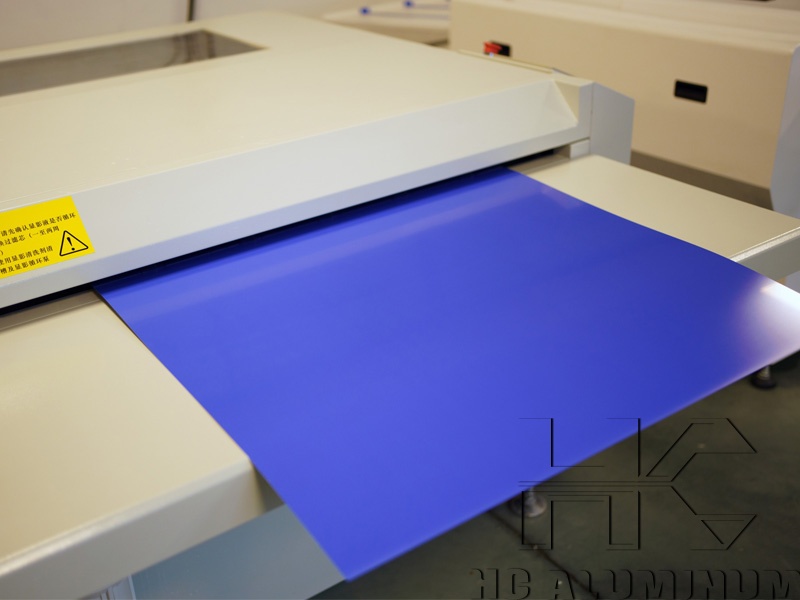
Setup guidance: how to get predictable results with UV ink
Even a very good plate will underperform if the workflow is not disciplined. Here's what I recommend to UV offset users evaluating a double layer CTP plate.
Control exposure like a process variable, not a fixed number
Instead of chasing a single "correct" laser power value, build a small exposure window test:
Output a control strip with 1–99% dots and fine text.
Expose at nominal, then ± small increments.
Process under normal production conditions.
Choose the setting where 1–2% dots are reproducible, 98–99% does not plug excessively, and background is clean.
Keep developer condition stable
UV work punishes inconsistency. Track:
Developer conductivity/activity and temperature
Replenishment rate
Brush condition and transport speed
If a plant frequently sees background tinting "randomly," the root cause is often developer exhaustion rather than the ink.
Match fountain solution strategy to UV ink behavior
UV offset often prefers stable, moderate settings rather than aggressive alcohol reduction experiments. Plate-friendly fountain solution management supports hydrophilicity, reducing the risk of toning.
Who benefits most from double layer CTP plates for UV ink
A double layer CTP plate is particularly compelling if you print:
UV packaging (folding cartons, labels, shrink sleeves with offset stations)
High screen rulings (175–300 lpi) or stochastic screening
Long runs with frequent wash-ups
Mixed job schedules (UV + conventional on the same presses)
If your buyers are still comparing across the full plate category, it can be helpful to reference your broader CTP Plates range so they can align plate selection with ink type, run length, and press conditions.
A realistic ROI example (what clients actually notice)
Consider a mid-size UV packaging printer producing short-to-medium runs (8,000–30,000 sheets) with frequent job changes.
Before: occasional remakes due to toning on light backgrounds, extra makeready sheets to stabilize ink-water balance, and dot loss on fine screens after repeated wash-ups.
After switching to a double layer plate tuned for UV: fewer restarts, cleaner highlights, and more consistent color stability across the run.
Even when plate cost is slightly higher, the savings often appear in reduced downtime, fewer press cleanups, and fewer rejected sheets.
What to ask your supplier when specifying a double layer plate for UV ink
When a client asks me, "Is this plate good for UV?" I prefer specifics over marketing claims. Ask for:
Recommended exposure energy and processing conditions (developer type, temperature, dwell)
Expected run length range under UV inks and coated stocks
Resistance notes for common UV wash-ups and fountain solutions
Screening performance evidence (fine dots, micro text, highlight stability)
A double layer CTP plate with UV ink is not about chasing an abstract "premium" label. It's about designing the coating system so UV's chemical and mechanical demands are handled quietly in the background, leaving operators with what they want most: clean makeready, stable print, and predictable plateshift after plateshift.
PRODUCTS
ONLINE CONSULTATION
If you have any questions, please contact us and we will contact you as soon as possible.


Leave A Message
If you are interested in our products and want to know more details, please leave a message here, we will reply you as soon as we can.