
News
Choosing among CTP plates producers is less about finding a catalog with every spec listed and more about verifying what a factory can repeat, batch after batch, under real pressroom conditions. The difference shows up in places that procurement spreadsheets do not always capture: dot stability on long runs, developer latitude on busy shifts, clean highlight reproduction on FM screens, and how well plates survive storage and transport before they ever reach a platesetter.
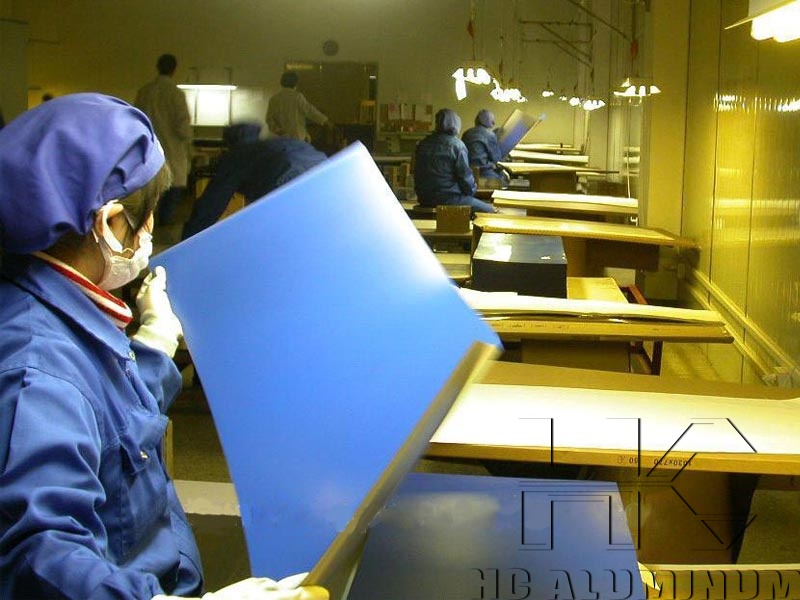
What separates serious CTP plates producers from traders
Many suppliers can source plates. A producer is defined by control of the critical chain: aluminum base preparation, graining and anodizing, coating formulation, coating weight control, curing, slitting, packaging, and statistical quality control. When these steps are owned and measured in-house, the producer can explain performance with data rather than marketing.
From a buyer's perspective, this matters because printing plates are a system component. The plate must match your platesetter energy, processor chemistry (or lack of processor), fountain solution behavior, press conditions, and screen ruling. A producer with engineering depth will ask the right questions before quoting:
Platesetter model, wavelength (thermal 830 nm or UV 405 nm), and typical laser power settings
Preferred developer brand and target conductivity/pH (for process plates)
Run length expectation and whether baking is used
Job profile: commercial, newspaper, packaging, high ink coverage, long idle times on press
The aluminum base: where stability begins
The coating gets most attention, but the aluminum base largely determines mechanical strength, water balance, and durability. When evaluating CTP plates producers, I request clarity on:
Alloy and temper suited to press conditions
Electrochemical graining uniformity (affects water retention and background cleanliness)
Anodizing thickness consistency, which contributes to abrasion resistance and run length
Hydrophilicity stability during storage and transportation
A practical example: two plates may both "pass" a standard run-length claim, yet one will show earlier scumming in humid environments because the anodizing and post-treatment were not controlled tightly. That is not a pressroom issue; it is a production discipline issue.
Coating technology: more than positive or negative
Most buyers categorize plates as thermal or UV, positive or negative, single-layer or double-layer. Those are important, but experienced producers talk in terms of latitude and failure modes.
Key coating questions to ask:
Exposure latitude: How forgiving is the plate to laser drift or mixed plate batches?
Development latitude: How tolerant is the plate to developer exhaustion and temperature shifts?
Dot reproduction: Does it hold 1–99% reliably at your screening method?
Ink acceptance and clean-out: How fast does it come up on press, and how clean are non-image areas?
Where it becomes very concrete is calibration. If you run multiple presses and want one curve, the plate must behave consistently across lots. Strong producers track coating weight and sensitivity tightly so your ICC profile does not become a moving target.
For clients comparing product structures, it can help to review specific models such as a Thermal CTP Plate for 830 nm imaging when you need robust handling and wide workflow compatibility.
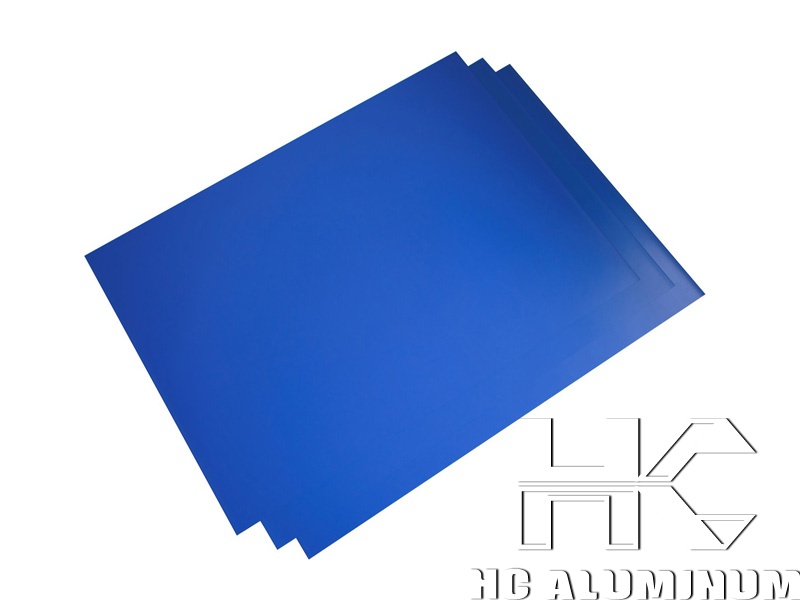
Quality control that actually predicts print performance
"QC passed" means nothing unless you know what was measured. When I assess CTP plates producers, I look for a QC approach that connects lab metrics to press outcomes.
Useful, producer-grade QC indicators include:
Sensitivity control (exposure energy window, e.g., stable imaging at typical mJ/cm² ranges)
Resolution and micro-line tests (how the plate holds fine text, 20–25 µm lines, and microdots)
Coating weight uniformity across width and along coil direction
Adhesion and abrasion tests (especially relevant for long runs and higher-speed presses)
Aging and storage testing (shelf life claims backed by accelerated aging data)
Illustrative scenario: A commercial printer runs 200 lpi AM with stochastic highlights in cosmetics packaging. The producer that can show consistent 2% dot holding and clean background after 1,000 sheets on press (without constant dampening adjustments) is the producer reducing your hidden operating cost.
Compatibility: platesetter, processor, chemistry, and workflow
CTP plates are frequently blamed when the real mismatch is workflow configuration. A technically competent producer will help you align:
Platesetter settings: power, drum speed, focus checks, and calibration targets
Processor variables (if applicable): developer replenishment rate, temperature, immersion time, brush condition
Gumming and finishing: gum type, gum concentration, and drying
If you are transitioning between plate types (for example, older chemistries to newer low-chem or different layer structures), the producer should recommend a controlled trial: two batches, fixed settings, measure density rise, check background, and confirm dot gain stability.
In many plants, the fastest operational improvement comes from standardizing a reliable product family. That is why it can be useful to anchor your procurement around a defined specification such as CTP Plates that match your imaging wavelength and your pressroom habits, then expand only when a proven gain is expected.
Packaging and logistics: the quiet contributor to plate complaints
It is uncomfortable, but true: many "quality issues" are shipping and handling issues. Serious producers design packaging to protect against moisture, temperature swings, and corner damage.
What to verify:
Moisture barrier and desiccant usage
Corner protection and pallet stability
Batch labeling that allows traceability (coil number, coating batch, slitting date)
Clear storage guidance (temperature, humidity, time after opening)
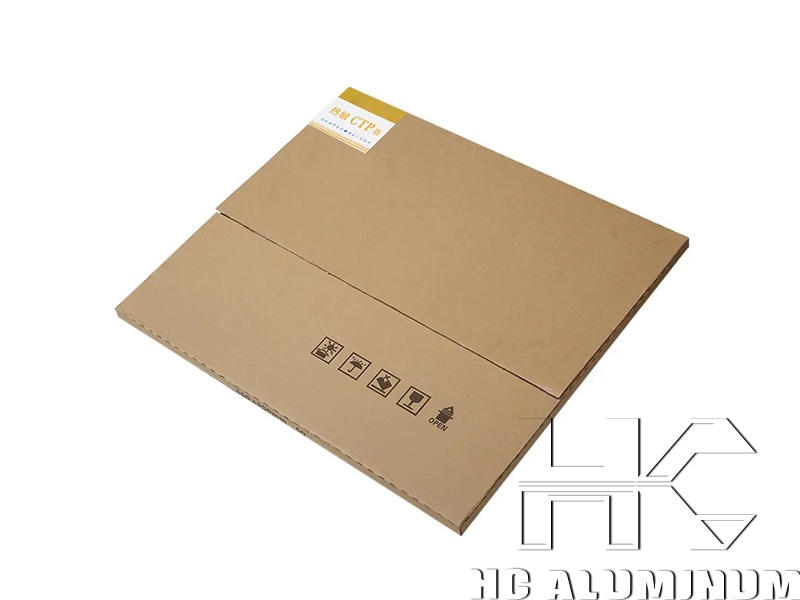
A real-world example: plates stored near a warehouse door in a coastal city can absorb moisture, leading to oxidation spots or uneven hydrophilicity. A producer that provides strong barrier packaging and practical storage rules reduces your scrap rate before imaging even starts.
How to compare quotes without buying problems
When two offers look similar, I recommend comparing in a way that exposes risk:
Ask for a trial plan: a defined number of plates from two batches, not just "samples."
Lock platesetter parameters: keep exposure and processing fixed so you test the plate, not the operator.
Measure outcomes: time to ink up, dot holding at 2–98%, background cleanliness, run length to wear.
Traceability check: ensure every carton maps to a batch and production date.
Service responsiveness: the best producers will review your test results and propose parameter adjustments with reasoning.
From there, you are no longer buying a commodity. You are selecting a partner whose manufacturing discipline shows up as fewer remakes, fewer press stops, and more predictable color.
What clients should expect from a credible producer
A strong CTP plate producer should be willing to provide:
Product data sheets that specify imaging energy, development conditions, and storage
Consistency commitments (batch-to-batch tolerances, QC checkpoints)
Documentation for claims (run length, resolution, shelf life)
Practical troubleshooting support rooted in pressroom reality
If you want long-term stability, prioritize the producer who talks about process control, not just price per square meter. The press never lies, and the best producers build plates that perform the same way when it matters most: under your lights, on your presses, on your deadlines.
PRODUCTS
ONLINE CONSULTATION
If you have any questions, please contact us and we will contact you as soon as possible.


Leave A Message
If you are interested in our products and want to know more details, please leave a message here, we will reply you as soon as we can.