
News
Choosing among CTCP plates suppliers is not simply a purchasing task. For a commercial printer, newspaper plant, packaging converter, or trade distributor, the plate supplier directly affects makeready time, dot reproduction, run stability, ink-water balance, and even customer complaint rates. A low plate price may look attractive at first glance, but if the plate shows unstable sensitivity, weak coating adhesion, poor developing latitude, or short run length, the real production cost quickly rises.
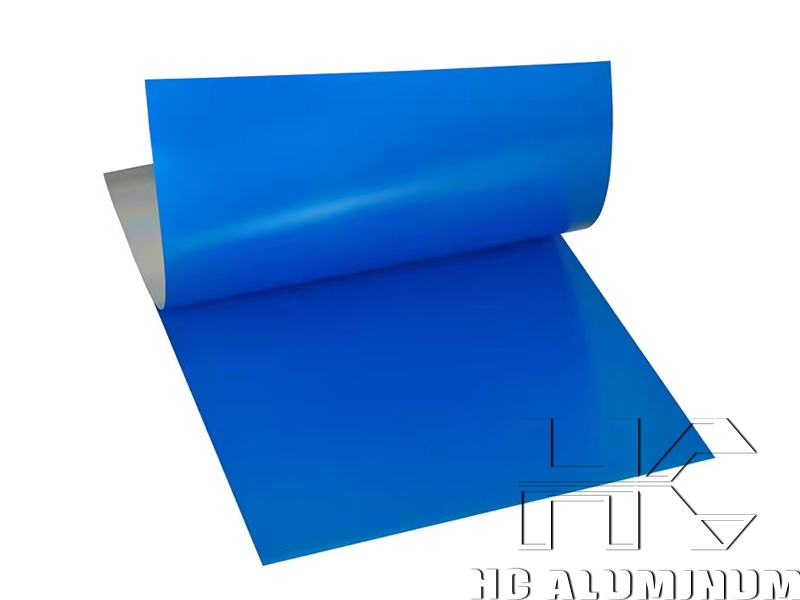
From a technical and commercial standpoint, strong CTCP plates suppliers share several traits: stable aluminum substrate quality, reliable coating control, consistent batch-to-batch sensitivity, protective packaging, and practical after-sales support. These factors matter much more than a simple quotation sheet.
CTCP, or Computer-to-Conventional-Plate, remains highly relevant in offset printing because it offers a good balance between investment cost and production efficiency. Many print shops using UV-CTP systems prefer CTCP plates for book printing, commercial leaflets, educational materials, manuals, and general packaging jobs. A dependable supplier should therefore understand not only plate manufacturing, but also the realities of plate exposure, developing, baking, and on-press behavior.
What serious buyers should expect from CTCP plates suppliers
The first benchmark is coating consistency. A CTCP plate must respond evenly during laser imaging, otherwise the printer may see dot loss in highlights, plugging in shadows, or unstable line sharpness. Good suppliers maintain tight process control over graining, anodizing, and coating weight. This is especially important when the customer runs multiple plate batches in one production cycle.
The second benchmark is developing tolerance. In actual printing plants, developer condition is not always ideal. Temperature fluctuates, replenishment may vary, and workload changes every day. High-quality CTCP Plates should still provide clean image areas, strong non-image hydrophilicity, and dependable contrast within a practical operating window. A supplier that only performs well under laboratory conditions is not enough for industrial use.
The third benchmark is run length. Different jobs need different durability levels. For short-run commercial print, a standard positive CTCP plate may be fully sufficient. For longer runs, aggressive ink systems, or repeated impressions on demanding presses, a stronger coating system becomes more valuable. This is where product structure matters. For example, a Double Layer CTCP Plate is often selected when printers want improved latitude, better press resistance, and more stable printing performance under heavier production conditions.
A practical way to compare suppliers
When buyers ask for samples, they should avoid judging only by one successful test. A better method is to compare several batches across real jobs. For instance, a print house can expose plates using the same imaging parameters, develop them under standard chemistry, and track the following points:
Imaging sensitivity and exposure latitude
Resolution performance at fine dots and lines
Background cleanliness after development
Ink acceptance at press start-up
Water balance stability during long runs
Resistance to scratches during handling
Plate durability on medium and long print runs
Batch consistency over several deliveries
This approach often reveals the difference between an experienced manufacturer and a trading company with limited technical control.
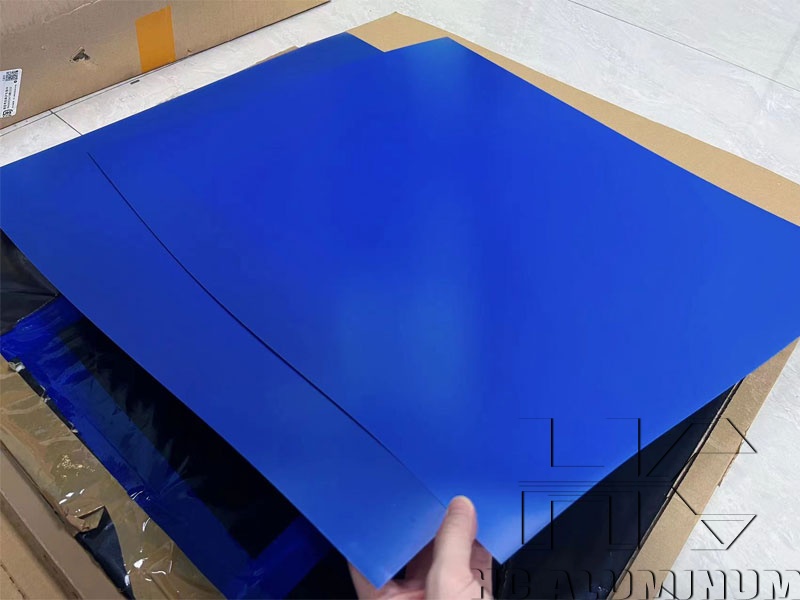
For example, two suppliers may both claim a run length of 80,000 impressions on paper. In practice, one plate reaches stable print density after 20 sheets and maintains clean backgrounds throughout the run, while the other needs longer adjustments and starts showing toning at 40,000 sheets because of weaker non-image performance. The nominal specification is similar, but the operational result is not.
Why substrate quality is often underestimated
The aluminum base is one of the least visible but most decisive elements in CTCP plate performance. High-grade substrate contributes to coating adhesion, dimensional stability, mechanical strength, and grain uniformity. Inferior substrate can lead to edge damage, weak handling resistance, and inconsistent water retention on press.
Professional CTCP plates suppliers usually control or closely supervise substrate sourcing, electrochemical graining, anodizing thickness, and sealing. These steps influence how the plate behaves before imaging, during processing, and after mounting on the press cylinder. Buyers who focus only on coating chemistry may miss this crucial foundation.
Packaging, storage, and logistics are part of product quality
A technically sound plate can still fail if packaging is poor. Moisture, heat, compression, and rough transportation can all affect coating quality. Reliable suppliers use moisture-resistant packaging, strong carton protection, clean interleaving, and clear production traceability. Export orders especially require careful palletizing and container loading to reduce the risk of edge dents or pressure marks.
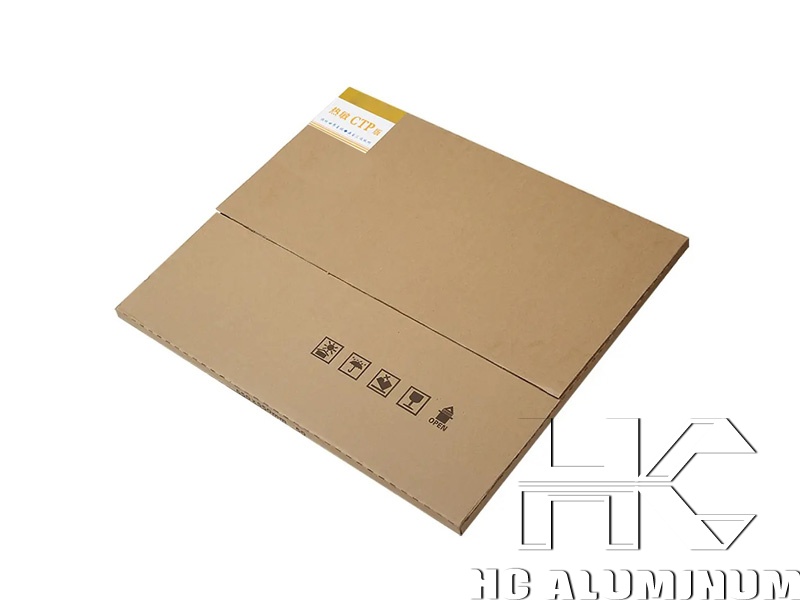
Potential clients should ask practical questions: Are plates packed for long-distance sea shipment? Is each box clearly marked by size, batch, and quantity? Can the supplier support mixed container loading? Are storage recommendations realistic for tropical or humid environments? These details are often the difference between smooth warehouse turnover and hidden losses.
Technical support distinguishes suppliers from mere sellers
A professional CTCP plate supplier should be able to discuss more than price. They should understand plate setters, laser wavelength compatibility, developer chemistry, preheat conditions when required, baking recommendations, and common press-side issues. If a customer reports dirty background, weak dot retention, or short run length, the supplier should investigate variables systematically rather than giving generic answers.
That technical dialogue is especially important for distributors serving multiple regional print shops. A supplier with application knowledge can help the distributor reduce claims, improve customer retention, and recommend the correct plate grade for different market segments.
One common example is a printer that switches from basic commercial work to more demanding packaging inserts. The same plate may no longer be ideal. A knowledgeable supplier will identify whether the issue is plate grade, processing condition, fountain solution setting, or press pressure, instead of simply pushing another order.
Price matters, but cost per usable impression matters more
Many buyers compare CTCP plates suppliers mainly through unit price. That is understandable, but not sufficient. The more meaningful calculation is total cost per usable printed sheet. If a slightly higher-priced plate reduces remakes, accelerates makeready, lowers chemistry waste, and improves production continuity, it may produce a better overall margin.
A simple example illustrates this clearly. Suppose Supplier A offers a plate at a lower purchase price, but 3% of plates need remaking because of unstable imaging or handling defects. Supplier B charges modestly more, yet maintains stable quality and shorter press adjustment time. Over a month of active production, Supplier B can easily become the more economical option.
What potential clients should ask before placing regular orders
Before confirming long-term cooperation, buyers should request:
Product specification sheets with technical ranges
Sample testing from more than one batch
Packaging details for local or export shipment
Lead time consistency for repeat orders
Complaint handling procedures
Recommendations for developer, exposure, and storage
Evidence of stable quality control in manufacturing
The best CTCP plates suppliers do not avoid detailed questions. They welcome them, because technical transparency builds trust.
For print businesses that depend on stable output, selecting a supplier is really about reducing uncertainty. A well-made CTCP plate should image cleanly, process smoothly, mount easily, and run predictably. When a supplier can deliver that consistency order after order, they become more than a vendor. They become part of the printer's production reliability.
PRODUCTS
ONLINE CONSULTATION
If you have any questions, please contact us and we will contact you as soon as possible.


Leave A Message
If you are interested in our products and want to know more details, please leave a message here, we will reply you as soon as we can.