
News
When buyers first ask about the CTCP plate full form, they are usually not looking for vocabulary alone. They want to understand the technology behind the term, how it compares with other plate types, and whether it is the right choice for their pressroom. That is the practical question, and it deserves a practical answer.
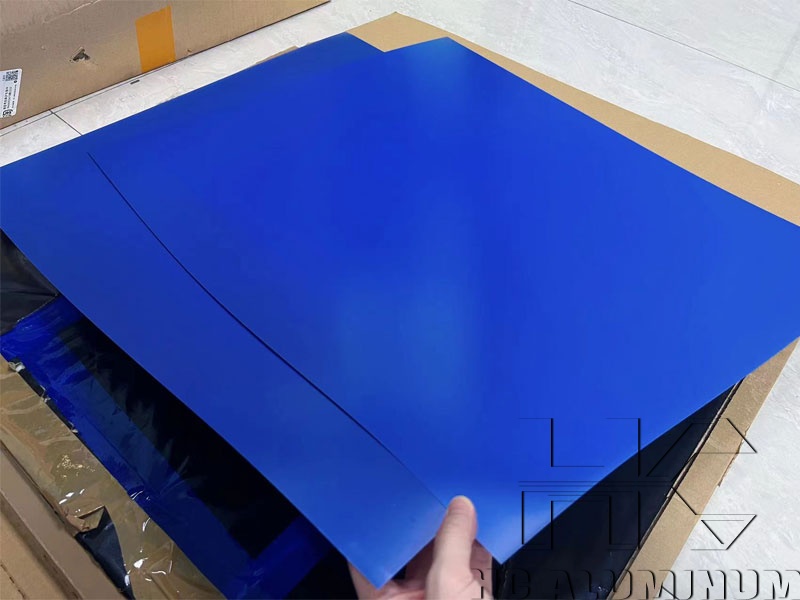
CTCP plate full form is Computer To Conventional Plate. In offset printing, this refers to a plate that is imaged digitally by a CTCP system while still using conventional plate-making chemistry and processing methods. In simple terms, CTCP technology bridges the gap between traditional PS plate workflows and newer digital plate exposure systems.
For many commercial printers, newspaper printers, and packaging printers, CTCP remains attractive because it combines familiar processing with solid imaging efficiency and cost control. It is not just an abbreviation; it represents a workflow philosophy built around stable production, manageable investment, and dependable print quality.
What Does Computer To Conventional Plate Actually Mean?
Let us break the phrase down in a practical way.
Computer To means the plate is imaged directly from digital data.
Conventional Plate means the plate itself belongs to the conventional offset plate family and normally requires developing after exposure.
Unlike older analog workflows that relied on film output before plate exposure, CTCP removes the film stage. The image data is transferred directly from the computer to the plate through a CTCP setter, usually using visible light laser technology. After imaging, the plate goes through processing, where non-image areas are removed or treated so the plate becomes ready for offset printing.
This is why many printers describe CTCP as a smart transitional technology. It gives them digital prepress advantages without forcing a full jump into more expensive thermal CTP ecosystems.
Why CTCP Plates Matter in Real Printing Production
From a sales and technical perspective, I have always found that buyers care about four things most: image quality, press compatibility, run length, and total operating cost. CTCP plates remain relevant because they perform well in all four categories when matched with the right application.
A good CTCP plate offers:
High sensitivity for efficient imaging
Strong dot reproduction and tonal stability
Reliable ink-water balance on press
Good chemical resistance for normal production environments
Suitable run length for commercial and publication printing
For example, a mid-sized commercial printer producing brochures, manuals, inserts, and catalogs may not need the highest-end thermal plate system for every job. A well-made CTCP plate can deliver sharp image transfer, predictable processing, and stable press performance at a competitive cost per plate.
This is one reason many buyers exploring CTCP Plates are not simply comparing abbreviations. They are evaluating productivity per dollar.
How CTCP Plates Work in the Plate-Making Process
A CTCP workflow generally follows these steps:
The prepress department prepares the digital file.
The CTCP machine images the plate directly using visible laser exposure.
The exposed plate enters the processor.
Development removes or differentiates the non-image area.
The plate is gummed and finished for press mounting.
On press, the image area accepts ink while the non-image area attracts fountain solution.
Technically, this workflow is valued because it reduces manual intervention compared with film-based plate making. It also shortens preparation time and limits variability introduced by film handling, vacuum frame exposure, and analog registration issues.
For printers that already understand conventional processing chemistry, CTCP adoption is often smooth. Staff training is usually simpler than in a full process shift to unfamiliar systems.
CTCP Plate vs PS Plate vs Thermal CTP Plate
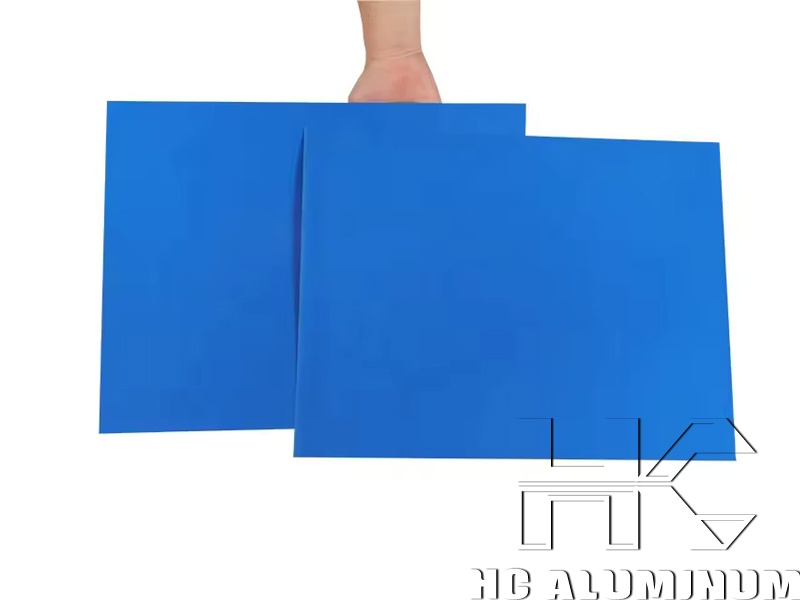
Potential clients often ask whether CTCP plates are just another name for PS plates. The answer is no, although the technologies are related.
CTCP Plate vs PS Plate
A PS plate, or pre-sensitized plate, is a conventional plate material coated for offset imaging. In a traditional workflow, it may be exposed using film. A CTCP plate is designed for digital imaging in a CTCP system while still retaining the conventional processing route. So, while both may involve conventional development, CTCP belongs to a more digital and efficient prepress workflow.
CTCP Plate vs Thermal CTP Plate
Thermal CTP plates are imaged with thermal lasers and are often chosen for very high stability, precision, and automation compatibility. CTCP plates, by contrast, typically use visible light imaging and can be more economical in equipment and plate cost. For many general commercial printing jobs, CTCP offers an excellent balance between quality and investment.
The choice depends on application. A printer focused on ultra-demanding color management may lean thermal. A printer looking for efficient, dependable, cost-sensitive production may find CTCP the better fit.
Key Technical Features Buyers Should Check
When sourcing CTCP plates, the full form is only the beginning. Buyers should evaluate actual plate performance. I recommend paying close attention to these parameters:
1. Spectral Sensitivity
The plate must match the imaging wavelength of the CTCP equipment. A mismatch leads to weak exposure, unstable dots, or processing inconsistency.
2. Coating Structure
Single-layer and double-layer constructions behave differently in terms of latitude, durability, and processing tolerance. For more demanding production conditions, many printers consider Double Layer CTCP Plate options because they can offer stronger processing robustness and better press stability.
3. Resolution and Dot Reproduction
Fine text, highlights, and shadow detail depend on clean imaging response. This matters especially for catalogs, educational books, pharmaceutical inserts, and advertising materials.
4. Run Length
Expected impression volume should match the plate specification. A plate suitable for short to medium runs may not be ideal for longer production cycles unless baking or special conditions apply.
5. Developer Compatibility
Not all pressrooms use the same processor settings or chemistry control standards. Good CTCP plates should work with stable, manageable processing conditions rather than requiring extremely narrow operating windows.
Typical Applications of CTCP Plates
CTCP plates are widely used in:
Commercial sheetfed printing
Book printing
Newspaper and publication printing
Business forms
Instruction manuals
General packaging inserts and paper-based promotional materials
A practical example: a book printer producing educational textbooks in repeated editions values plate consistency, economical operation, and fast replacement cycles. CTCP plates suit this environment well because they support repeatable plate making without the cost burden associated with more complex workflows.
Another example is a regional commercial printer handling mixed jobs every day. Here, flexibility matters more than chasing the newest technology label. CTCP provides a proven route to stable production and manageable consumable cost.
What Makes a Good CTCP Plate Supplier?
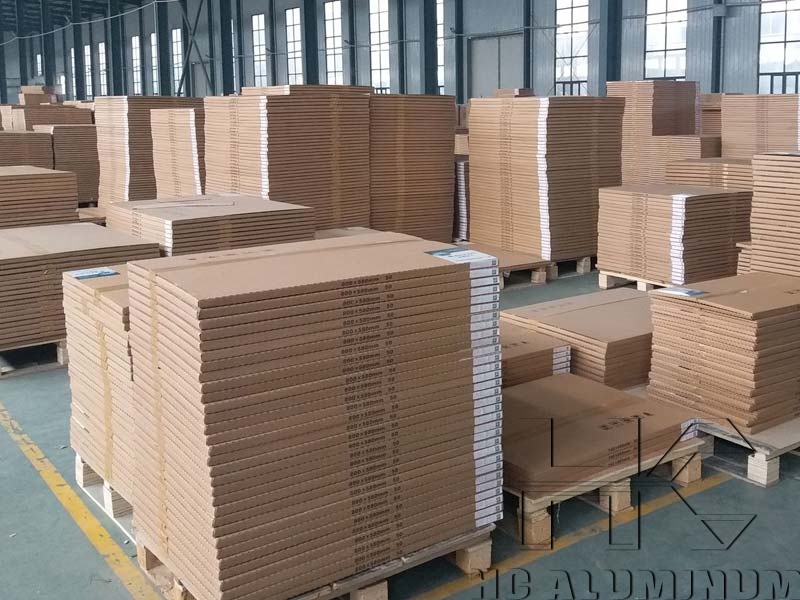
From a buyer's standpoint, choosing the right supplier often matters as much as choosing the right plate. A professional supplier should offer more than a datasheet. They should understand coating consistency, substrate quality, packaging protection, shipment stability, and on-press behavior.
A reliable CTCP plate supplier should be able to discuss:
Alloy and substrate stability
Coating uniformity
Shelf life and storage recommendations
Safe packaging for export transportation
Recommended exposure and processing settings
Technical support for trial and qualification
This is especially important for overseas distributors and printers, because transport conditions, warehouse humidity, and machine configuration can all influence plate performance.
Why the CTCP Plate Full Form Still Matters Today
Some industry terms survive because they continue to represent real commercial value. CTCP is one of them. The full form, Computer To Conventional Plate, reflects a technology that has remained relevant by solving actual production problems: reducing film dependence, controlling prepress cost, and supporting efficient offset workflows.
For potential clients, understanding the CTCP plate full form is useful not as a language exercise, but as a buying foundation. It tells you that this is a digitally imaged plate designed for conventional processing, and that combination carries clear implications for equipment compatibility, workflow design, operating cost, and print performance.
When evaluated correctly, CTCP plates are not an outdated compromise. They are a deliberate and intelligent choice for many printers who want dependable output, practical economics, and a mature production process they can trust.
PRODUCTS
ONLINE CONSULTATION
If you have any questions, please contact us and we will contact you as soon as possible.


Leave A Message
If you are interested in our products and want to know more details, please leave a message here, we will reply you as soon as we can.