
News
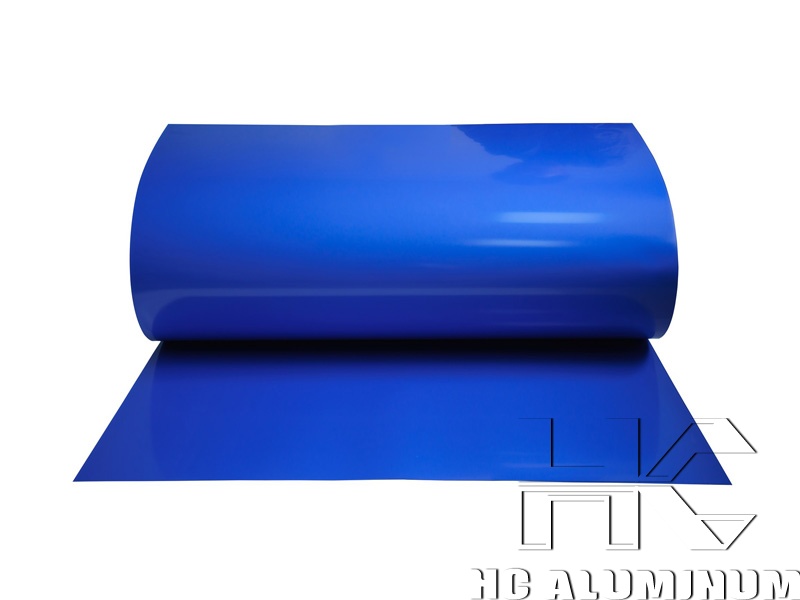
The 0.30mm blue coated CTP plate is engineered for commercial offset printers that need dependable imaging, stable press performance, and a plate gauge suited to demanding production environments. In practical printing operations, plate thickness is not a minor purchasing detail. It affects mounting stability, plate-cylinder contact, resistance to handling damage, and consistency throughout the press run. For medium- and large-format offset presses, a 0.30mm aluminum substrate is often a preferred option because it provides a strong balance between rigidity and workable flexibility.
At HC Aluminum, we understand that a printing plate must perform as part of an entire process, not merely look uniform when it leaves the package. The quality of the aluminum base, electrochemical graining, anodic layer, coating uniformity, imaging response, and packaging all influence the printer's final result. A blue coated CTP plate should help the prepress department create accurate image areas while giving the pressroom a reliable lithographic surface that maintains clean, sharp reproduction.
Why Choose a 0.30mm Aluminum CTP Plate?
The 0.30mm gauge is commonly selected for sheet-fed and larger-format offset printing applications where greater dimensional stability is required. Compared with thinner plates, a 0.30mm plate provides better resistance to bending, denting, and distortion during loading, unloading, and press mounting. This is particularly valuable when operators handle large plates manually or when the press runs high-value jobs where registration consistency is essential.
A stable plate base supports accurate positioning on the plate cylinder. When plate registration is maintained from the first impression to the final printed sheet, printers can reduce make-ready waste and avoid unnecessary downtime. This matters for jobs involving fine text, small barcodes, multi-color packaging graphics, or detailed halftone imagery.
For example, a commercial printer producing 70 x 100 cm catalog covers may choose a 0.30mm blue coated CTP plate instead of a lighter gauge plate. The added stiffness can make plate handling easier, reduce the risk of edge damage, and support consistent alignment during four-color production. The plate is only one component of print quality, but it is a component that directly affects press efficiency.
Blue Coating and Imaging Performance
The blue coating is designed to provide a controlled photosensitive surface for computer-to-plate imaging. Depending on the plate type and the CTP system in use, the coating reacts to the laser exposure and forms a differentiated image area that can be processed or developed according to the relevant plate workflow. The visible coating color also helps prepress operators inspect the plate surface and identify image content before the plate reaches the pressroom.
A professionally manufactured plate begins with a carefully prepared aluminum substrate. Electrochemical graining creates a fine, uniform surface structure that supports water retention in non-image areas. Anodizing improves the durability and hydrophilic characteristics of this surface. The coating is then applied in a controlled manner to achieve even coverage and reliable imaging behavior.
The result is a plate surface designed to support the core principle of lithographic printing: image areas accept ink, while non-image areas maintain water balance and resist unwanted ink. When this balance is stable, printers are more likely to achieve clean backgrounds, sharper dots, stronger solid areas, and reduced scumming risk.
For printers evaluating different plate options, our CTP plates for offset printing range can help match plate construction with press format, imaging technology, and run-length requirements.
Print Quality Benefits in Daily Production
The practical value of a 0.30mm blue coated CTP plate is seen on press. A consistent coating and well-prepared substrate contribute to predictable ink-water balance, helping operators reach target density efficiently. Fine highlights, screen dots, line work, and reversed text depend on accurate image transfer from the CTP device to the plate and then from the plate to the blanket.
Consider a printer producing pharmaceutical inserts with small type, registration marks, and dense black text. Even a slight loss of image edge definition can affect readability. A quality blue coated CTP plate supports precise reproduction when used with calibrated RIP settings, suitable laser energy, correct processor conditions where applicable, and disciplined press maintenance.
Plate performance should always be evaluated as a system. The following factors have a direct effect on final printing results:
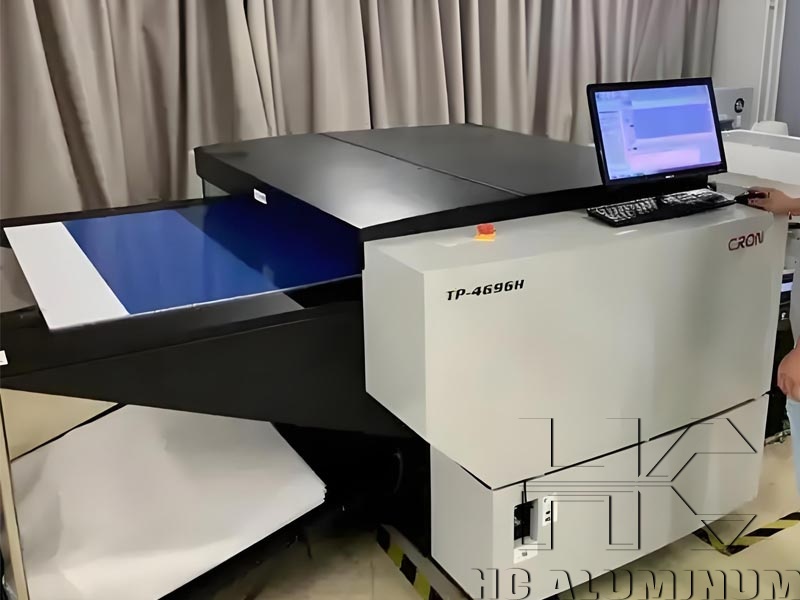
Compatibility between the plate and the CTP imaging device
Correct laser power, drum speed, and imaging resolution
Appropriate development or processing conditions for conventional plate workflows
Suitable fountain solution chemistry and ink selection
Clean rollers, blankets, plate cylinders, and dampening systems
Proper plate storage before imaging and printing
A plate cannot correct an unstable press condition, but a reliable plate gives the operator a more consistent foundation from which to control the process.
Suitable Applications for 0.30mm Blue Coated CTP Plates
This plate specification is suitable for a broad range of offset printing work, including commercial brochures, books, manuals, magazines, catalogs, posters, folding cartons, labels, and general packaging materials. Its durable aluminum base makes it especially relevant for printers working with large sheet sizes or repeat production schedules.
For a packaging printer, plate stability can be important when a design includes fine trap lines, product codes, dense solids, and multiple spot-color elements. For a book printer, consistent plate behavior supports efficient production across repeated forms. For a commercial printer, it can help maintain predictable quality across short-to-medium runs involving mixed artwork and frequent plate changes.
Where greater run length, enhanced durability, or more demanding press conditions are required, a double layer CTP plate may be worth considering. The appropriate choice depends on the press configuration, ink system, job complexity, and expected number of impressions.
Handling, Storage, and Purchasing Considerations
CTP plates should be stored in a clean, dry environment away from direct sunlight, excessive heat, and high humidity. Keeping plates in their original protective packaging until use helps prevent scratches, oxidation, coating contamination, and edge damage. Operators should handle plates with clean gloves whenever possible, particularly before imaging.
When sourcing 0.30mm blue coated CTP plates, buyers should confirm several details with the supplier: plate dimensions, grain direction, coating type, CTP machine compatibility, processing requirements, recommended storage conditions, packing method, and available run-length performance. A supplier should also be able to provide samples for machine trials, because actual workflow compatibility is more meaningful than a general specification sheet.
HC Aluminum supplies CTP plate solutions with attention to substrate quality, coating consistency, protective packaging, and export requirements. For printers and distributors, the right 0.30mm blue coated CTP plate is not simply a consumable. It is a production tool that can support accurate imaging, stable press operation, and confident delivery of offset print jobs.
PRODUCTS
ONLINE CONSULTATION
If you have any questions, please contact us and we will contact you as soon as possible.


Leave A Message
If you are interested in our products and want to know more details, please leave a message here, we will reply you as soon as we can.